The whole pitch of a bookkeeping franchise is consistency. A cafe owner in Parramatta and a plumber in Geelong should get the same quality of work, the same turnaround and the same tone in every email, because that is what the brand promises. Anyone who has run a franchise network knows how hard that promise is to keep. Every franchisee arrives with their own habits, their own shortcuts and their own idea of what a finished file looks like.
The traditional fix is an operations manual. The franchisor writes 200 pages of procedures, franchisees skim them during induction, and within six months everyone is back to doing things their own way. The manual describes the work. It does not do any of it. That is the gap Claude closes, and it is why bookkeeping franchises are one of the cleanest fits for AI adoption we see among Australian small business networks.
Where consistency actually breaks
Ledger entry is not the problem. Xero, MYOB and QuickBooks already keep the mechanics uniform. Consistency breaks in the judgment layer that sits around the software, where each franchisee makes small decisions dozens of times a day:
Client communication. Chasing missing receipts, explaining a GST position, onboarding a new client. The same situation produces a curt two-line email from one franchisee and a warm, clear explainer from another.
Month-end review. Which checks run before a file is called done: coding review, GST mapping, duplicate suppliers, unreconciled clearing accounts. Some franchisees check all of it, some check half.
Escalation judgment. Knowing when an unusual GST treatment or a payroll dispute should go to the franchisor's technical lead rather than being guessed at locally.
Reporting packs. One client gets a bare profit and loss, another gets three pages of commentary, and both pay the same monthly fee under the same brand.
The ops manual becomes a set of skills
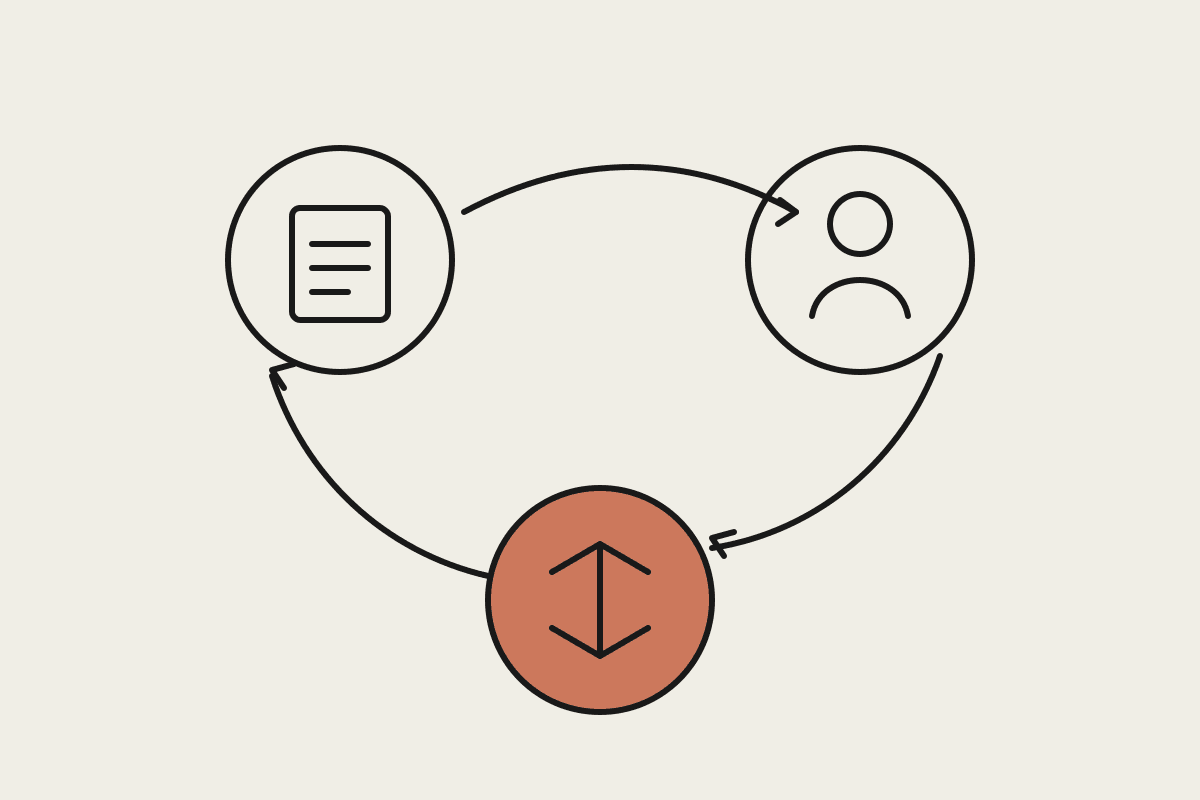
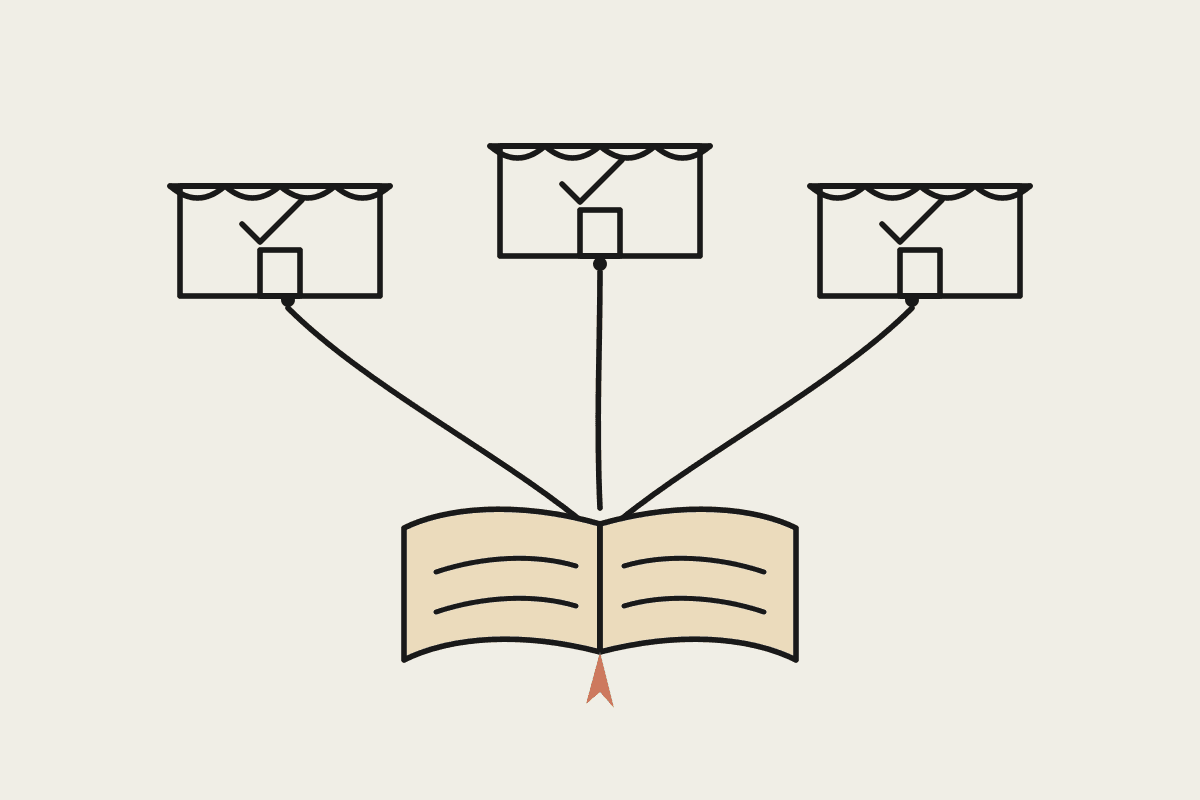
Claude lets a franchisor encode those judgment calls once and distribute them everywhere. A skill is a short instruction file that tells Claude exactly how your network does a task: the structure of a debtor follow-up email, the twelve checks in your month-end review, the tone rules for client letters, when to escalate. The franchisor writes and versions the skills. Every franchisee gets the same ones.
The change in behaviour is the point. A franchisee does not look up the manual's guidance on arrears letters; they ask Claude to draft the letter, and the skill quietly enforces the network standard while it drafts. The month-end skill walks their file review and produces the same completion checklist in Hobart as in Brisbane. A new-client triage skill reads a messy trial balance export and estimates cleanup hours the same way across the whole network, so quotes stop varying by postcode. We cover the broader toolkit for accounting and bookkeeping practices in our guide to AI for Australian accountants.
One boundary matters here. Claude drafts, checks and explains; it does not lodge. BAS lodgment and the professional responsibility that comes with it stay with the registered BAS agent, exactly as the Tax Practitioners Board expects. Used this way, the tool strengthens the agent's review rather than replacing it.
What a network rollout looks like
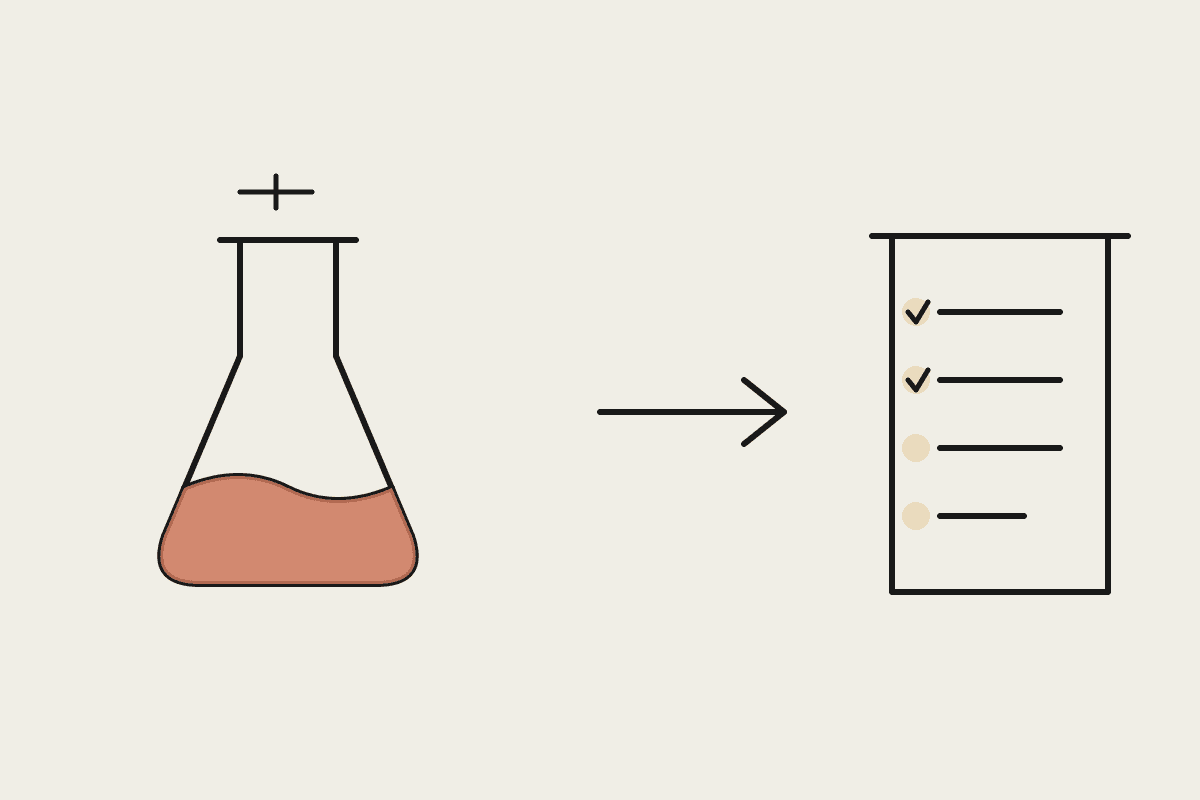
Do not switch on 40 franchisees at once. The rollouts that stick follow a sequence. The franchisor runs a pilot with two or three volunteer franchisees for four to six weeks, focused on the workflows above, and measures time saved per file. What worked gets codified into the network's first skill pack. Franchisees then onboard in cohorts with a one-hour session each, and a champion franchisee in each state fields the everyday questions so the franchisor's office does not become a bottleneck.
The pilot stage is where most of the value gets designed. A skill written from real franchisee transcripts beats a skill written from the ops manual every time, because it captures what good franchisees actually do rather than what the manual wishes they did.
The numbers a franchisor should run
Take a 30-franchisee network. If skills save each member four hours a week on drafting, review and triage, at a typical charge-out rate of $90 an hour that is roughly $518,000 a year in recovered capacity across the network, either taken as margin or reinvested in client growth. Against that, software seats cost each franchisee less per month than one hour of their own charge-out rate, and a scoped network setup, covering skill design, pilot and cohort training, typically lands between $6,000 and $20,000 depending on network size.
Franchisors also gain something harder to price: visibility. When every franchisee runs the same month-end skill, the franchisor finally knows what a completed file means across the network, which makes quality audits and franchisee support conversations far less awkward.
Guardrails to set before anyone pastes client data
Bookkeepers hold payroll records, bank feeds and personal details, so the Privacy Act applies to how the network uses any AI tool. Set the rules centrally rather than leaving 40 small businesses to improvise: use business-grade Claude plans where client inputs are not used for model training, define what may and may not be pasted, add AI use wording to engagement letters, and require human review before anything client-facing goes out.
Consistency also cuts both ways. A flawed skill propagates a flawed habit to the entire network at the speed of an update, so treat skills like controlled documents in the franchise manual: versioned, reviewed and tested on one site before general release.
If you run or franchise a bookkeeping network and want to see what a skill pack would look like for your workflows, book a short strategy call and bring one messy month-end file. We will show you what the network standard could look like by the end of the session.