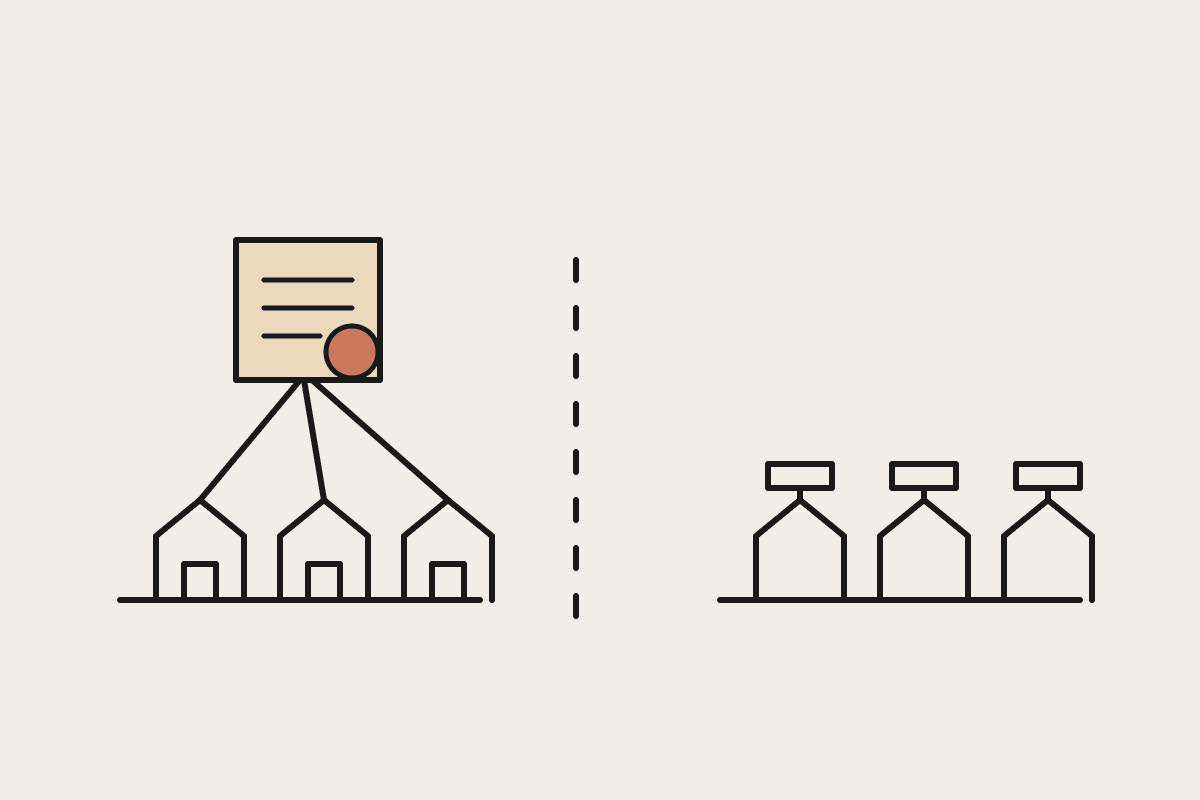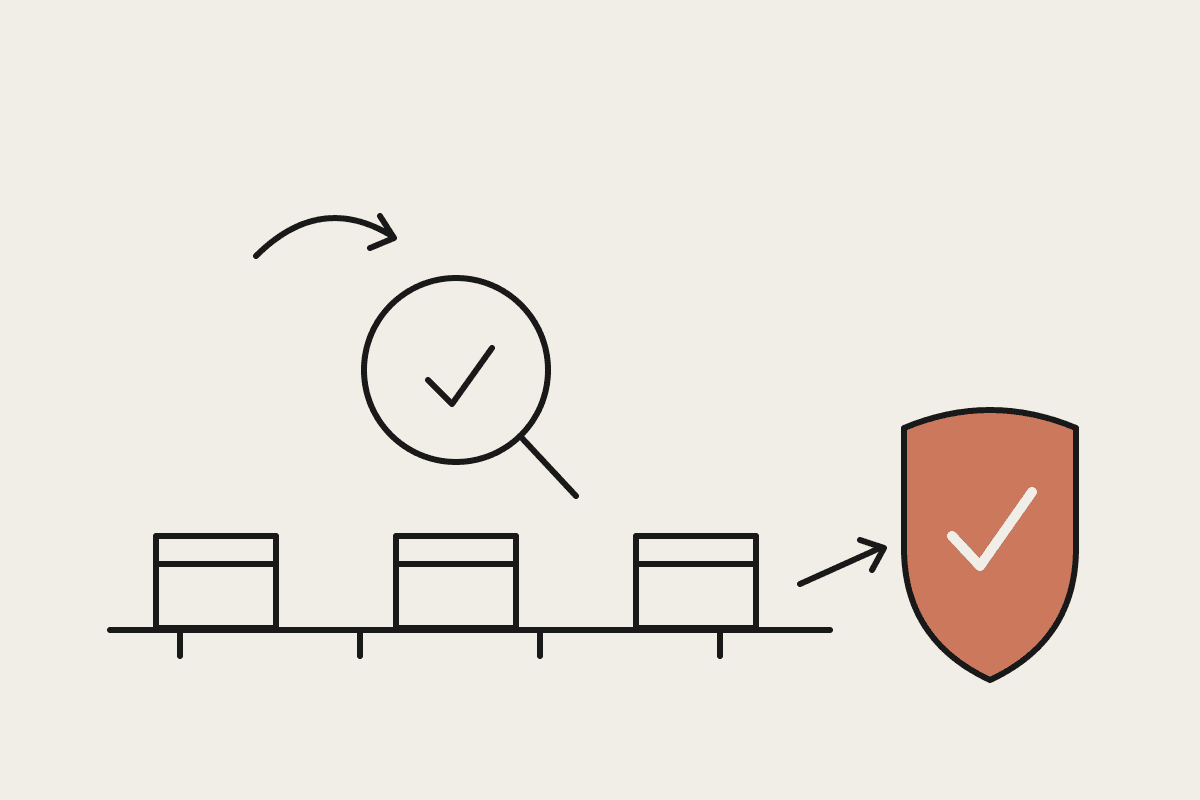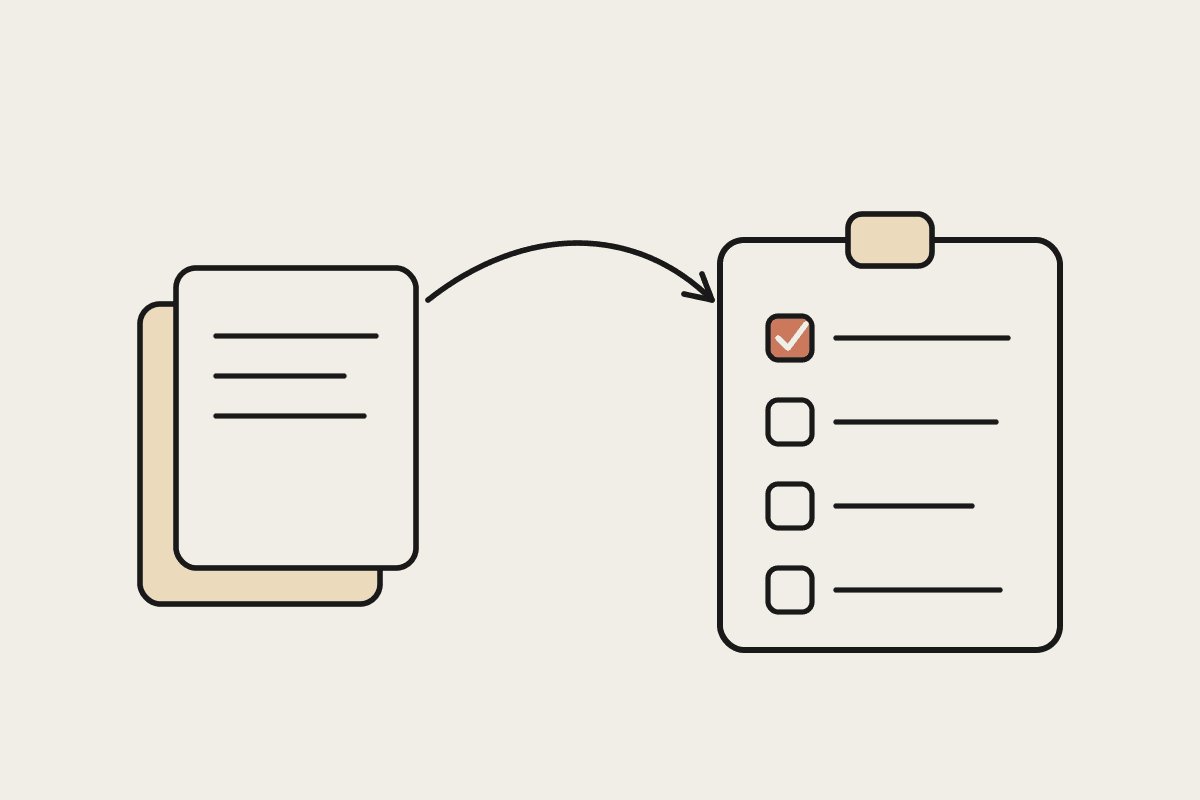
Every private certification practice runs on the same quiet bottleneck: the first pass over an incoming application. A construction certificate or complying development certificate lands in the inbox as a pile of plans, schedules, engineering details and supporting certificates, and someone has to work out whether the pack is even complete before real assessment can begin. That triage step is unglamorous, repetitive, and expensive when a registered certifier does it by hand. Claude is well suited to the triage, and only the triage. The certifier still makes every call that carries their registration.
What application triage actually involves
Triage is the sorting step that happens before assessment. For a building certifier in New South Wales, Victoria or Queensland, an incoming application has to be checked for completeness against the relevant document list, matched to the correct approval pathway, and ranked against the statutory clock. Miss a required document early and the whole determination stalls weeks later, usually at the worst possible moment for the applicant and the builder waiting on site.
Most of that work is mechanical. It is reading, cross-checking and typing rather than technical judgement, which is exactly the kind of task that eats a certifier's morning and adds nothing they trained for.
Completeness check: confirm the plans, specifications, BASIX certificate, structural details, fire safety documentation and any consent conditions are all present and legible.
Consistency check: flag where revision numbers, addresses or lot descriptions on the plans do not match the application form.
Pathway check: confirm the work sits within the certifier's registration class and the nominated approval route.
Prioritisation: rank the queue by statutory determination timeframes and complexity so nothing quietly runs late.
Information requests: draft the letter asking the applicant for whatever is missing, in the practice's usual tone.
Where Claude fits, and where it must not
Claude reads the whole application pack in one pass and produces a plain-English completeness summary: what is present, what is missing, and what looks inconsistent. It can draft the request for further information, log the intake into the practice register, and hand the certifier a short brief on the items that need real technical judgement, such as a performance solution under the National Construction Code or a fire safety matter that a competent fire safety engineer should review.
The line is firm. Claude does not make the compliance determination, does not decide a performance solution, and does not sign anything. Certification is a statutory function under the Building and Development Certifiers Act 2018 in New South Wales and its equivalents in other states, and it stays with the registered person who carries the professional indemnity insurance. Claude triages; the certifier certifies.
A worked example
Picture a two-certifier practice in Sydney handling roughly 500 construction and complying development certificate applications a year. First-pass triage on each one runs 25 to 35 minutes of admin and certifier time: opening files, ticking off a checklist, and typing an information request. With Claude doing the first read, that review drops to about 10 minutes of a human confirming the summary and approving the drafted letter.
Across 500 applications, saving 25 minutes each recovers roughly 200 hours a year. At a loaded rate of around $90 an hour for the people doing this work, that is close to $18,000 of capacity handed back to the practice, or several hundred applications of extra headroom before anyone talks about another hire. On a single complying development certificate that a practice might charge $2,500 to $4,000 to assess, faster triage also means fewer files sitting idle for a fortnight while a missing BASIX certificate is chased.
Keeping the certifier accountable
Because the stakes are regulatory, the triage has to leave a trail. Every Claude summary and drafted letter should be saved against the application so there is a clear record of what the assistant flagged and what the certifier decided. Application packs contain owners' personal details, so they stay inside the practice's own systems and are handled under the Privacy Act 1988 and the Australian Privacy Principles, not pasted into whatever tool is open in another tab.
Set up this way, Claude behaves like a fast, tireless graduate who prepares the file and never signs it. The certifier opens each matter already knowing what is complete, what is missing, and what needs their eye. That is the whole point of triage, done in minutes rather than half an hour, and it is a sensible first place for an Australian certification practice to put an AI assistant to work.
If you run a certification practice and want to see this mapped to your own document lists and approval pathways, we can work through it together. Book a brainstorm and we will sketch the triage workflow against a handful of your real application types.