Most hospitality operators do not underpay staff on purpose. They underpay because the Hospitality Industry (General) Award is hard to apply across a live roster: penalty rates that change by the hour, split-shift rules, minimum engagements, casual loading, public holiday rates, and junior percentages that step up on a birthday. A cafe in Sydney or a pub in Melbourne can run a clean-looking roster on paper and still owe money by Sunday night.
Why the Hospitality Award trips up good operators
The award is not one rule. It is dozens of interacting rules, and the interactions are where venues get caught. A shift that looks fine on the roster becomes a breach once you factor in the actual clock-on time, the length of the unpaid break, and whether the staff member is full-time, part-time or casual. Most owners are not being careless. They are running a busy floor and doing award interpretation in their heads at 11pm.
Penalty rates for evenings, weekends and public holidays, which stack differently for casuals and permanents.
Minimum engagement periods, so a short Saturday shift can quietly breach the award.
Split-shift arrangements when a staff member works a lunch and a dinner service with a long gap between.
Junior rates tied to age, which increase automatically and are easy to miss on payday.
Overtime thresholds that depend on hours worked across the week, not just the day.
What Claude actually checks on a roster
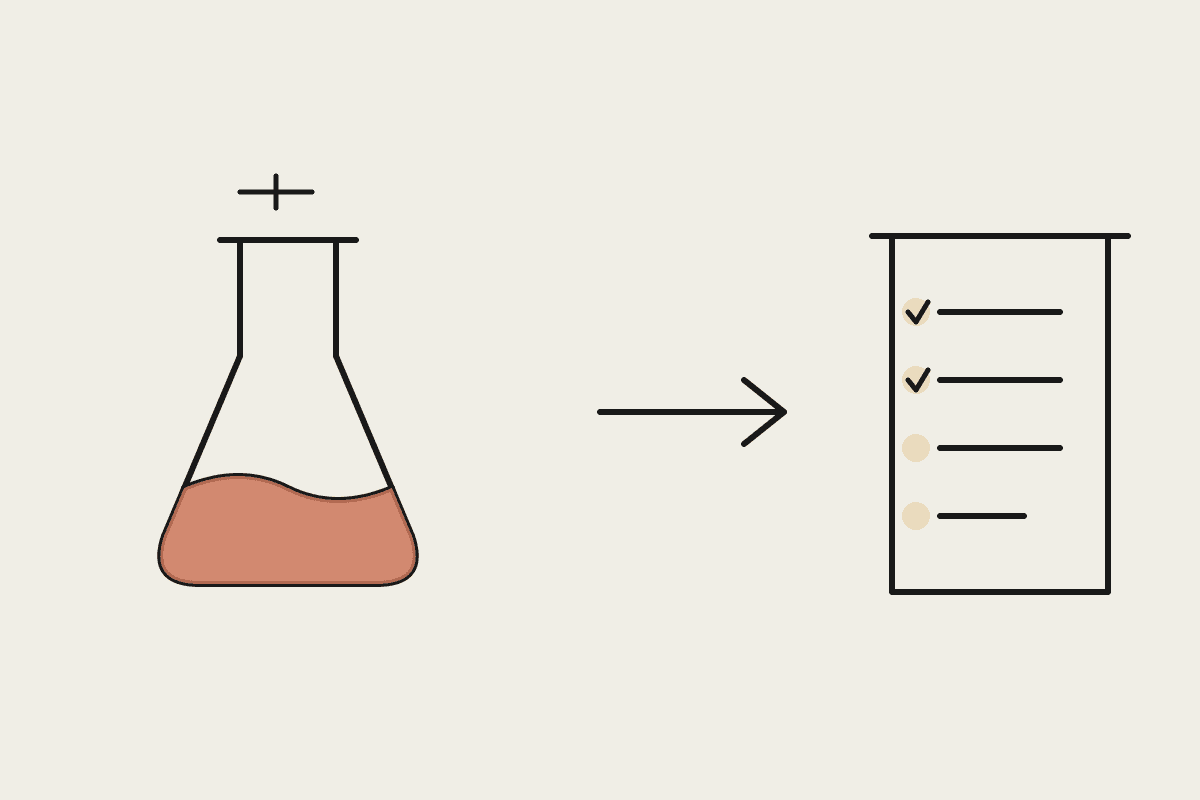
The idea is simple. You give Claude the published roster and the award terms that apply to your venue, and it reads each shift the way an experienced payroll officer would, line by line. It is not guessing at rates. It compares the roster against the specific clauses and flags anything that does not add up before the pay run, not three months later when a former employee lodges a claim with Fair Work. For a venue with twenty staff, that is a five-minute read instead of an hour of squinting at a spreadsheet.
Each shift checked against the correct penalty rate for the day, time and employment type.
Minimum engagement and maximum ordinary hours flagged where a shift falls short or runs over.
Junior rate changes surfaced when a staff member has had a birthday since the last roster.
Split shifts and unpaid breaks reviewed against the allowance and rest-period rules.
A plain-English note on every flag, so the manager knows exactly what to change and why.
The part that keeps you safe: a human approves every call
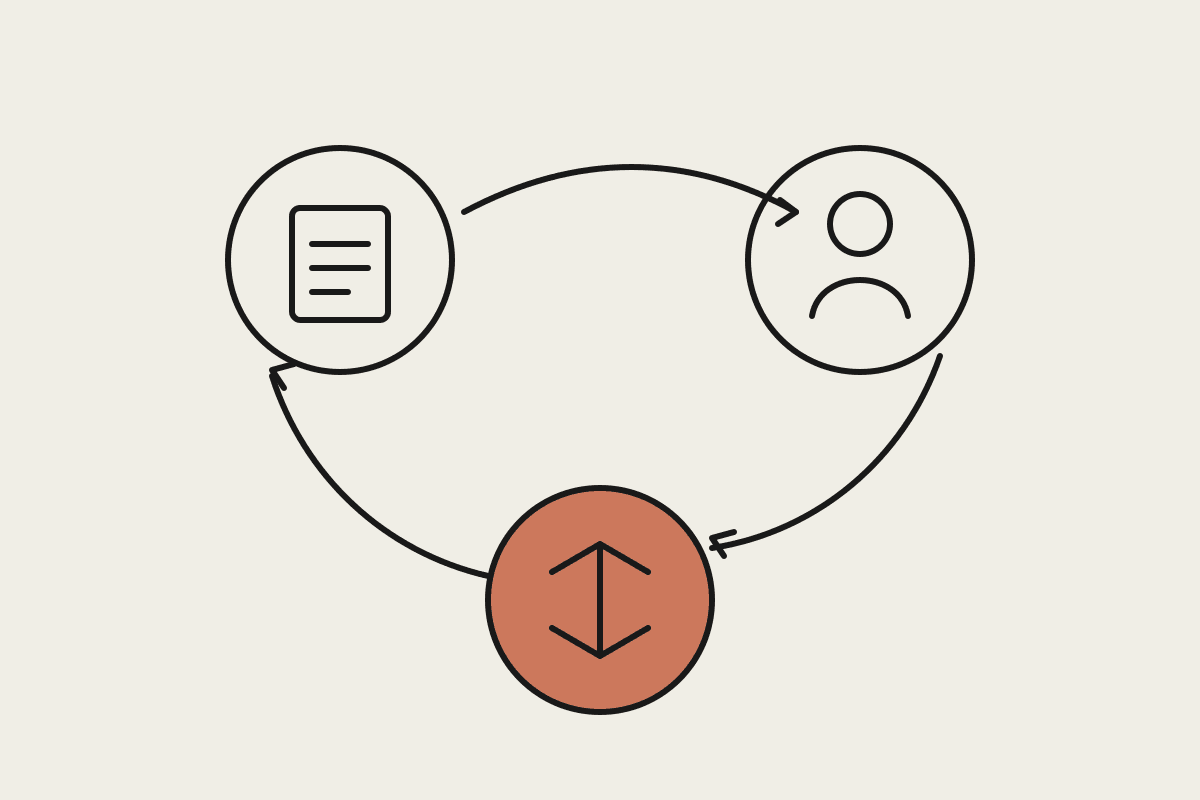
Claude does not change your roster and it does not run your payroll. It produces a list of flags and suggested fixes, and a person on your team decides what to do with each one. That boundary matters. Award interpretation has grey areas, your enterprise agreement may override parts of the award, and no Australian business should hand wage decisions to a tool with nobody checking. The workflow is review, approve, then act, with the human always holding the pen.
This is also why the approach holds up under audit. When Fair Work or an employee asks how a pay decision was made, you have a record: the roster, the flags Claude raised, and the person who signed off. That trail is worth more than a tool that silently changes things you can never explain later.
What it costs to get wrong
Underpayment is not a rounding error in hospitality. A single misapplied Sunday penalty rate across a team of fifteen, repeated every week, can build into tens of thousands of dollars of back-pay before anyone notices. Recent Australian cases have seen venues repay staff sums well past $200,000, and that is before penalties. Fair Work can pursue court penalties of up to $18,780 per contravention for an individual and $93,900 per contravention for a company, and each affected pay period can count as its own breach.
Set against that, the cost of a weekly roster check is small. Most venues spend under $2,000 to set up a repeatable check and a few dollars of usage per roster after that. The maths is not really about the tool cost. It is about catching a $40,000 problem in week one instead of year two, and sleeping better through your next Fair Work review.
How to set it up without handing over payroll
You do not need to connect Claude to your payroll system to get value. The safest starting point is read-only: export the roster, hand it to Claude with your award summary, and get the flags back. No bank details, no employee records beyond names and shift times, and no write access to anything. Once the flags earn your trust, you can decide how far to take it.
Start with one venue and one week, so you can check Claude's flags against what you already know.
Give it your award summary and any enterprise agreement terms, so it checks your actual obligations.
Keep a named human approver on every check, and log their decision against each flag.
Once you trust the output, run it on every roster as a standing check before the pay run.
Hospitality runs on thin margins and tight rosters, and the award is not getting simpler. A weekly check that a person approves turns compliance from a quarterly panic into a quiet habit. If you want help setting one up for your venue, book a short call and we will map it to your award and your roster.