Most cafe owners aren't up early to make coffee. They're up early to fix the roster, chase a supplier who missed a delivery, and figure out what to post on Instagram before the first ticket prints. A Sydney cafe owner we spoke with described her 6am as "admin hour, then coffee hour." That order is backwards, and it's the part of the business Claude is best placed to take off her plate.
The Admin That Eats Into Service Prep
None of this admin is complicated on its own. It's the volume and the timing that grinds people down, usually squeezed into the 45 minutes before doors open or the hour after close. A typical week for a Melbourne or Brisbane cafe owner includes:
Rostering: matching staff availability texts against forecast covers, casual loading and Fair Work rest-break rules
Supplier orders: checking bean, milk, bakery and produce stock against next week's bookings and events
Social posts: turning a photo of the specials board into three or four Instagram and Facebook captions
Wastage tracking: logging what got binned so next week's order is actually smaller
Shift swaps: answering "can you cover me Saturday" texts and updating the roster without double-booking anyone
None of it shows up on a P&L as a line item. It shows up as an owner working a 55-hour week for what, once you account for the unpaid admin hours, works out to well under minimum wage on an hourly basis.
Where Claude Actually Fits Into a Cafe's Week
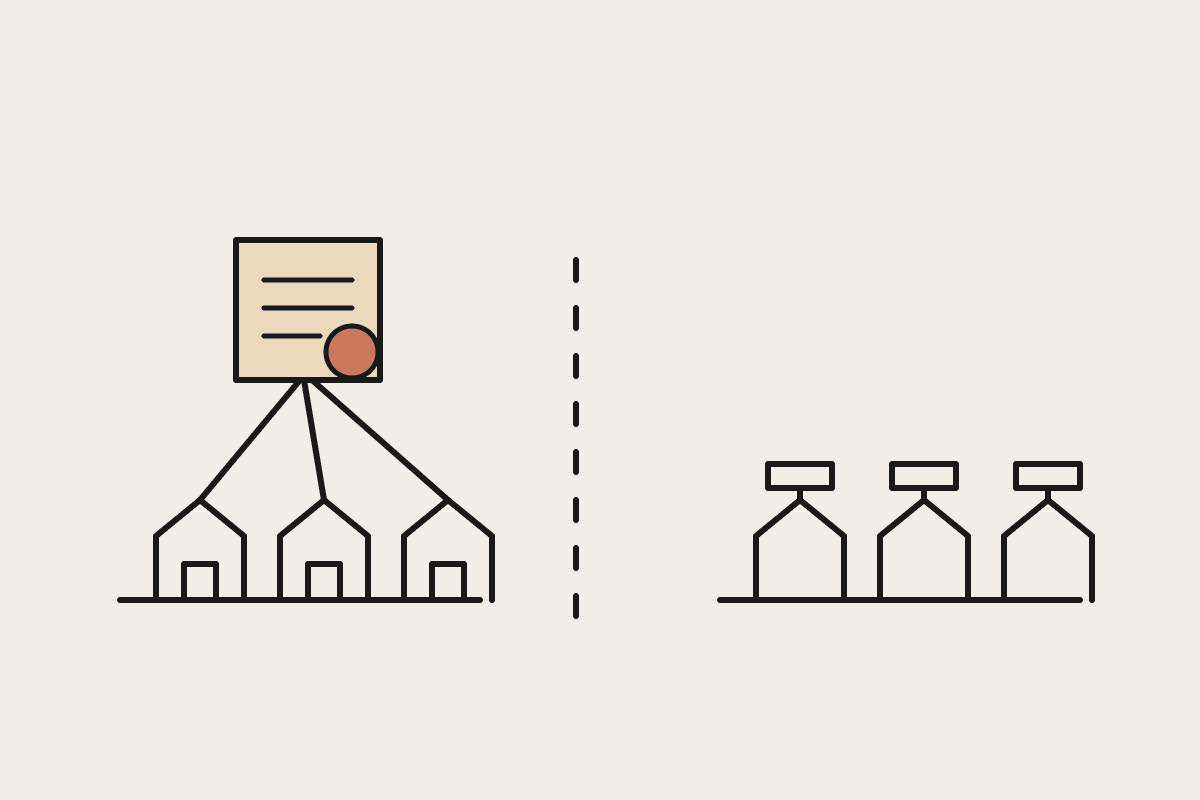
This isn't a chatbot bolted onto a POS system. In a working setup, Claude sits across a small set of connected tools (roster spreadsheet or app, supplier order history, and social accounts) and handles the drafting, not the decisions.
For rostering, Claude reads last week's roster alongside the availability texts and time-off requests that came in through the week, then drafts next week's roster against the rules the owner set once (minimum rest breaks, casual loading, no one closing and opening back-to-back). The owner reviews and approves in a few minutes instead of building it from scratch.
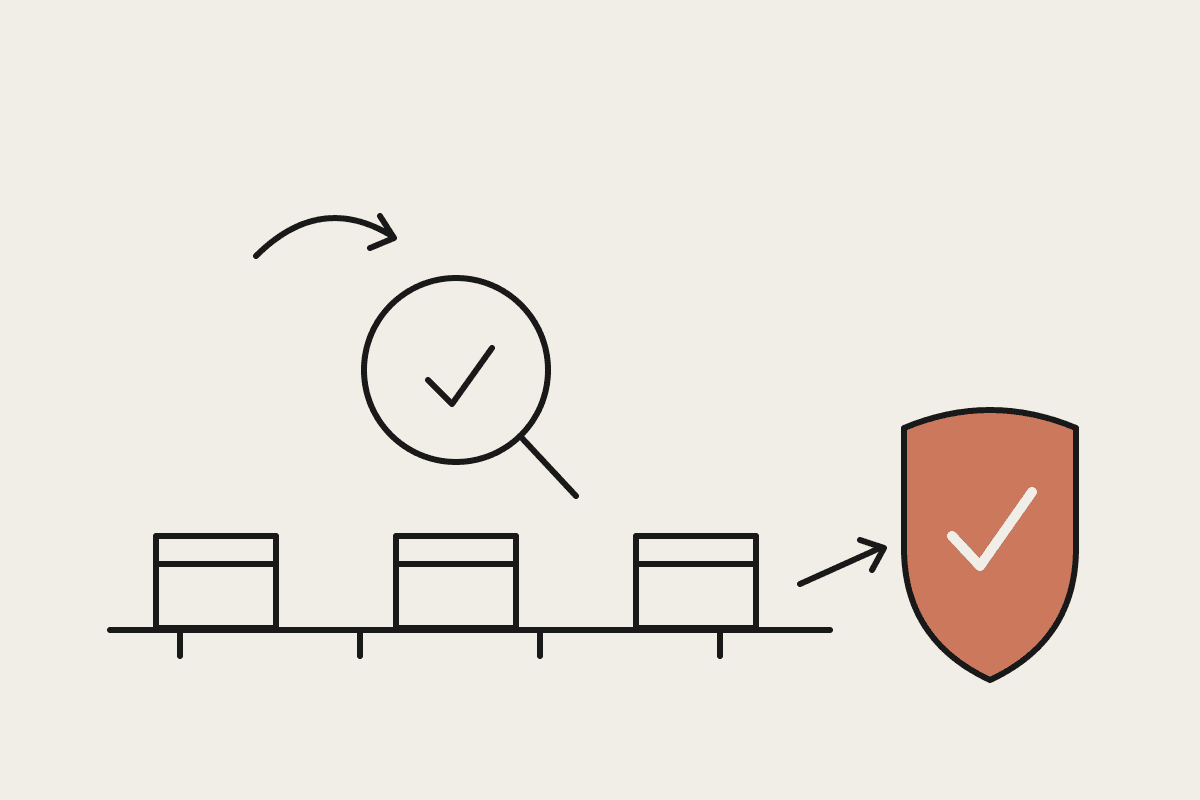
For supplier orders, Claude checks recent sales data against current stock and drafts the weekly order emails to the regular coffee, milk and bakery suppliers, flagging anything that looks off (a bigger-than-usual jump in milk usage, a bakery item that's been sitting unsold). The owner approves before anything is sent. Nothing goes out the door without a human checking it first.
For socials, Claude turns a specials-board photo and a short voice note into a week of captions in the cafe's own voice, queued up and ready to post. It's not writing generic hospitality copy; it's trained on how that specific cafe actually talks to its regulars.
What It Actually Costs, and What a Morning Back Is Worth
Take a conservative estimate: eight hours a week on rostering, ordering and socials, valued at the owner's own time worth roughly $45 an hour once you account for what they'd otherwise be doing on the floor. That's $360 a week, or close to $18,000 a year, spent on admin that doesn't put a single coffee in a customer's hand.
A fixed-fee Claude setup for a single-site cafe typically runs in the $2,500 to $3,500 range, covering the roster rules, supplier order templates and social voice training. Against $18,000 a year in reclaimed owner time, most cafes are ahead of the setup cost within ten to twelve weeks, and every week after that is time back in the till, not the inbox.
Getting Started Without Disrupting Service
The setups that stick don't try to automate everything in week one. A sensible order looks like this:
Connect the POS sales export or spreadsheet and the current roster tool, no new software required
Write down the roster rules once (minimum breaks, casual rates, who can open, who can close)
Pick the two or three suppliers that matter most and hand over their usual order format
Choose the social accounts and give Claude a week of past captions to learn the voice from
Run one full week with a human checking every draft before it goes live
Staff rosters and availability details count as personal information under the Privacy Act, so any setup worth using should be able to explain plainly where that data sits and who can see it. Ask before you connect anything, not after.
A Realistic First Month
Week 1: Claude drafts alongside the owner's existing process, nothing goes live
Week 2: roster drafting goes live, owner still approves every version
Week 3: supplier order drafts go live, same approval step
Week 4: social captions go live, and the owner is checking three drafts a week instead of writing three systems from scratch
None of this replaces the judgement calls a cafe owner makes every day. It just means those calls happen on a finished draft instead of a blank page, which is usually the difference between admin hour and coffee hour. If you're running a cafe in Sydney, Melbourne or Brisbane and want to see what this looks like for your own roster and suppliers, book a short call and bring your busiest week.