Running a caravan park or holiday park in Australia is a business of small, constant admin. Between site bookings, camp kitchen rosters, maintenance callouts and the seasonal rush, the office work rarely stops. Claude can take a real slice of that load off the front desk without replacing the judgement of the people who actually run the park.
Where the admin actually piles up
Most parks are run by a small team, often a couple or a family, with one or two extra staff on in peak season. The bottleneck is almost never the campsites themselves. It is the paperwork around them. A single booking enquiry can involve an availability check, a quote, a confirmation, a deposit reminder and a pre-arrival message. Multiply that across a busy summer on the New South Wales coast and the front desk drowns. From a Sydney base we see the same pattern across coastal parks: the sites are full, and so is the inbox.
The work that eats the day tends to be the same handful of jobs, repeated hundreds of times:
Answering the same enquiry emails about availability, pet rules and check-in times
Writing confirmation and pre-arrival messages for each booking
Chasing deposits and outstanding balances before arrival
Logging maintenance jobs from guest reports and staff walk-arounds
Keeping a running record of what was fixed, when, and by whom
Bookings: turning enquiries into confirmed sites
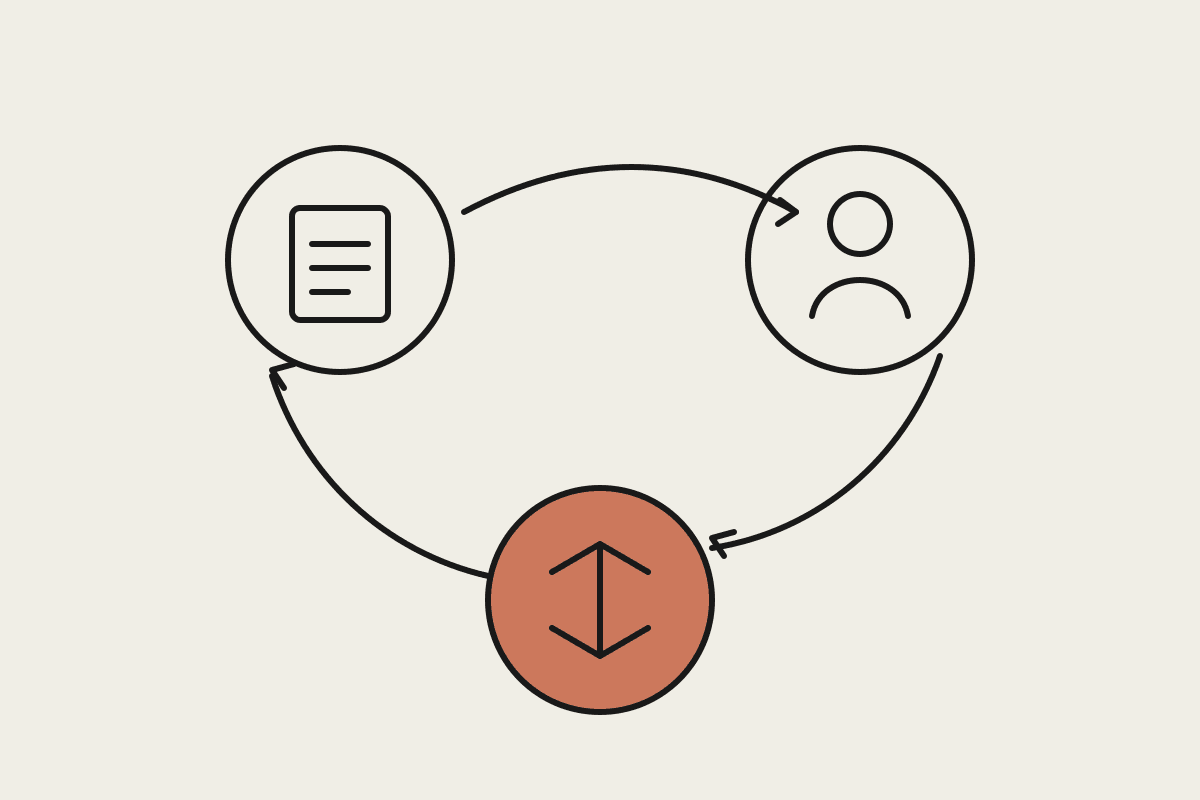
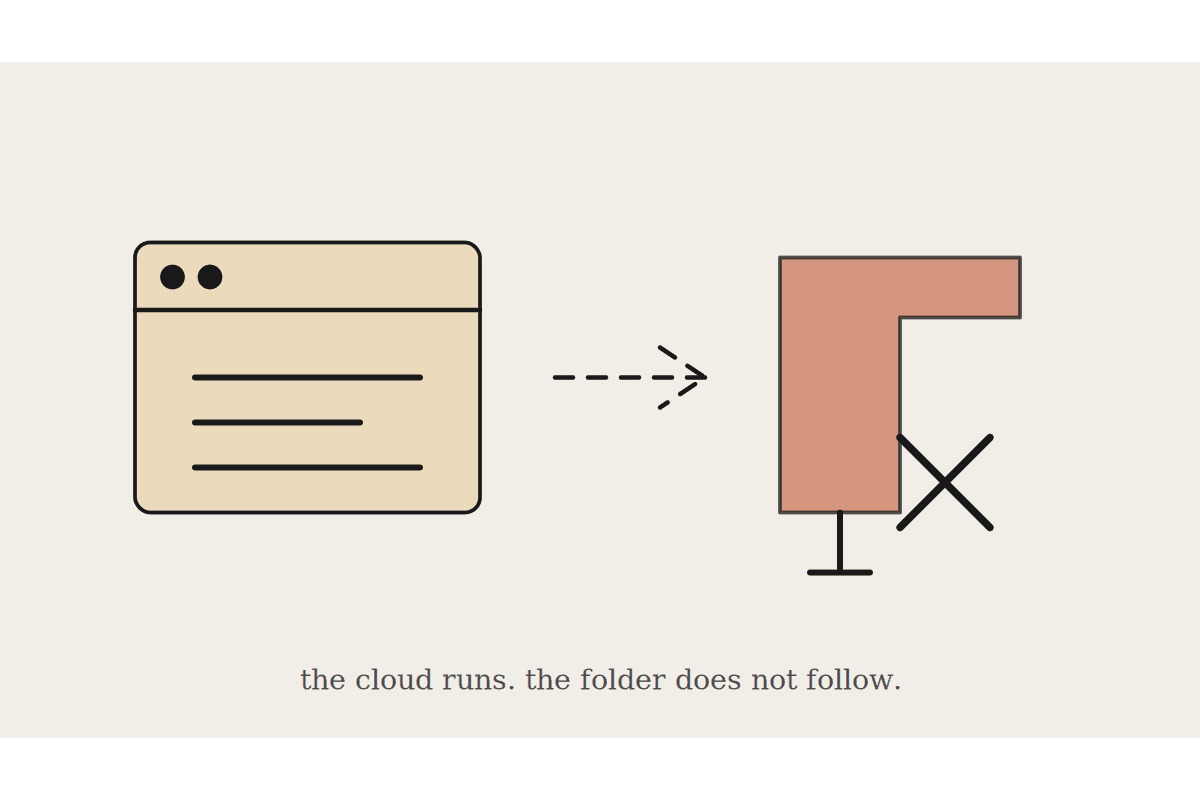
Claude works well as a drafting layer over your existing booking system. It does not need to replace your reservation software. Instead, it reads an enquiry, checks the details you give it, and drafts a reply in your park's voice. A guest emails asking whether a powered site is free for the January long weekend and whether their dog is welcome. Claude drafts the response, pulls the relevant rules, and flags anything a person should confirm before it goes out.
The important part is that a staff member still reviews and sends. Nothing leaves the park unread, and no guest gets an availability promise the system cannot keep. Over a peak week, that can turn a two-hour inbox slog into twenty minutes of checking and approving. The same approach handles deposit reminders and pre-arrival notes, so the guest arrives already knowing the gate code and the quiet hours.
Maintenance: the jobs that get forgotten until they cost you
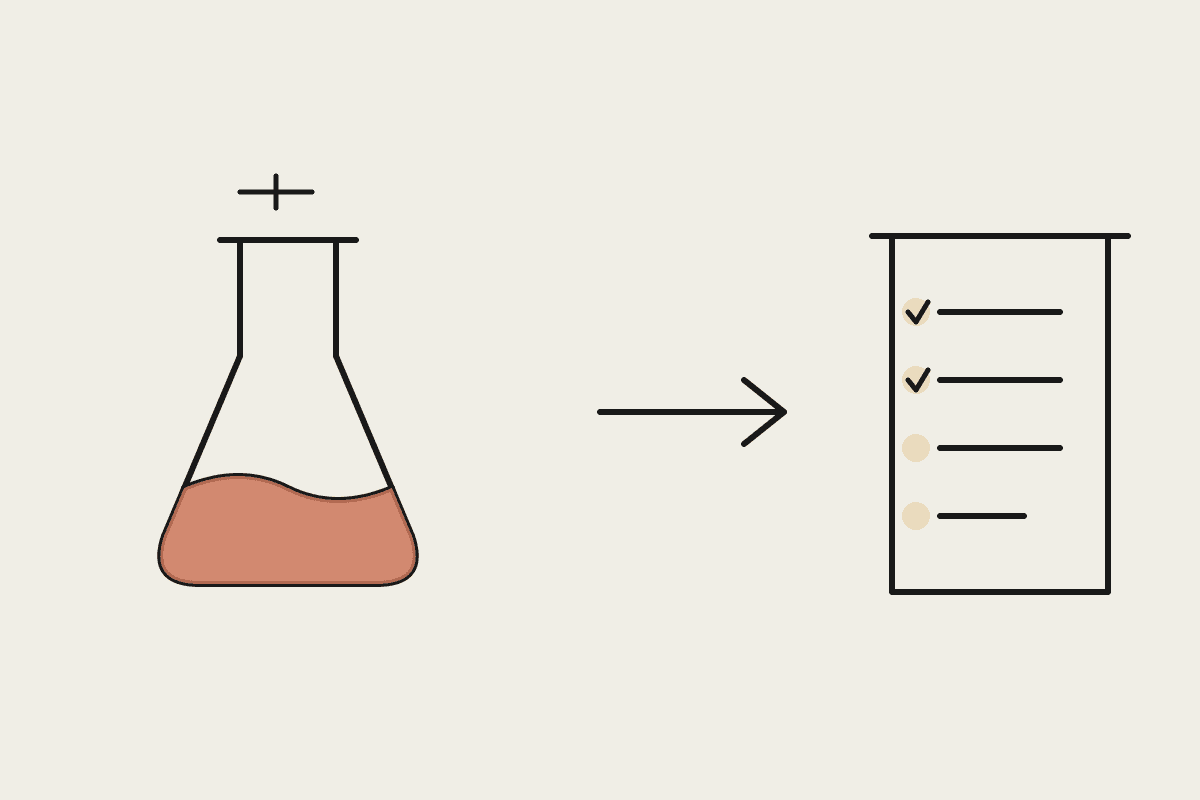
Maintenance is where parks quietly lose money. A dripping tap in an amenities block, a loose step on a cabin, a pool pump making a new noise. These get mentioned in passing and then forgotten until they become a bigger repair or a safety issue. Claude can sit on top of a simple shared log and keep the small jobs from slipping.
Turn a one-line staff note into a proper job record with location, priority and date
Draft the message to the plumber or electrician with the details they need to quote
Produce a weekly summary of open jobs so nothing sits untouched for a month
Keep a history you can show an insurer or an auditor if a claim ever arises
None of this requires a big software rollout. A staff member types what they saw on the morning walk-around, and Claude turns it into a record and a follow-up. The park keeps its own list; Claude just does the writing and the chasing.
What this is worth to a mid-sized park
Take a park with 120 sites and a two-person office. If Claude saves each person an hour a day across the booking and maintenance admin, that is roughly ten hours a week back. At a loaded cost of around $35 an hour, that works out close to $18,000 a year in recovered time, before you count the bookings that no longer slip through a slow inbox. For a family-run park, that hour back each day is often the difference between eating dinner on time and answering emails at nine at night.
Keeping guest data sensible
Parks hold guest names, contact details and sometimes vehicle and payment information. Under the Australian Privacy Act, that carries real obligations. The sensible pattern is to give Claude only what a task needs and to keep the confirming action with a person. You are not handing the business over to a machine. You are giving the front desk a fast, careful assistant that drafts and organises while your team decides what actually goes out and gets done.
A sensible first step
The best place to start is the single job that annoys you most, usually the enquiry inbox in peak season. Get that drafting reliably, with a person approving every send, and then extend the same habit to maintenance logging. If you run a park and want to see where Claude fits without disrupting your booking system, we can map it against your real week. Book a short call and we will walk through it against the way your park actually runs.