Disability employment providers run on paperwork. For every hour a consultant spends with a participant, another block of time disappears into progress notes, Job Plans, documentary evidence for outcome claims, and Data Exchange reporting back to the Department of Social Services. The servicing is the mission; the reporting is the tax you pay to keep doing it. Claude will not remove that tax, but it can take a large share of the repetitive drafting and checking off a consultant's desk, so more of the week goes to participants and employers.
Where the reporting hours actually go
Before automating anything, it helps to name the work. A mid-sized provider with a caseload across Sydney, Newcastle and the Central Coast usually carries several distinct streams of documentation, each with its own format and audit expectation.
Progress notes and servicing contacts after every appointment, phone call and employer check-in.
Job Plans and reviews that have to reflect the participant's goals, barriers and agreed activities in plain language.
Documentary evidence for outcome claims, where a payslip, an employer letter or a bank record has to line up exactly with the claimed milestone.
Data Exchange (DEX) uploads, which want consistent client and case records rather than free-text prose.
Quality audits against the service standards, where an assessor samples files and expects the whole story to hold together.
None of this is optional, and most of it is time-sensitive. A claim submitted with the wrong evidence, or a note written three weeks after the contact, is the kind of gap that surfaces in an audit and can put funding at risk. For a provider billing around $85,000 a month in outcome and service fees, even a small lift in documentation quality protects real revenue.
What Claude can safely take off a consultant's desk
Claude is a writing and reasoning assistant, not a case management system. The value is in the drafting, summarising and checking that sits around your existing tools, not in replacing them. A few patterns tend to pay off first.
Turning rough shorthand from an appointment into a clean, structured progress note that matches your house format.
Drafting a Job Plan from a consultant's spoken or typed summary of the participant's goals and barriers.
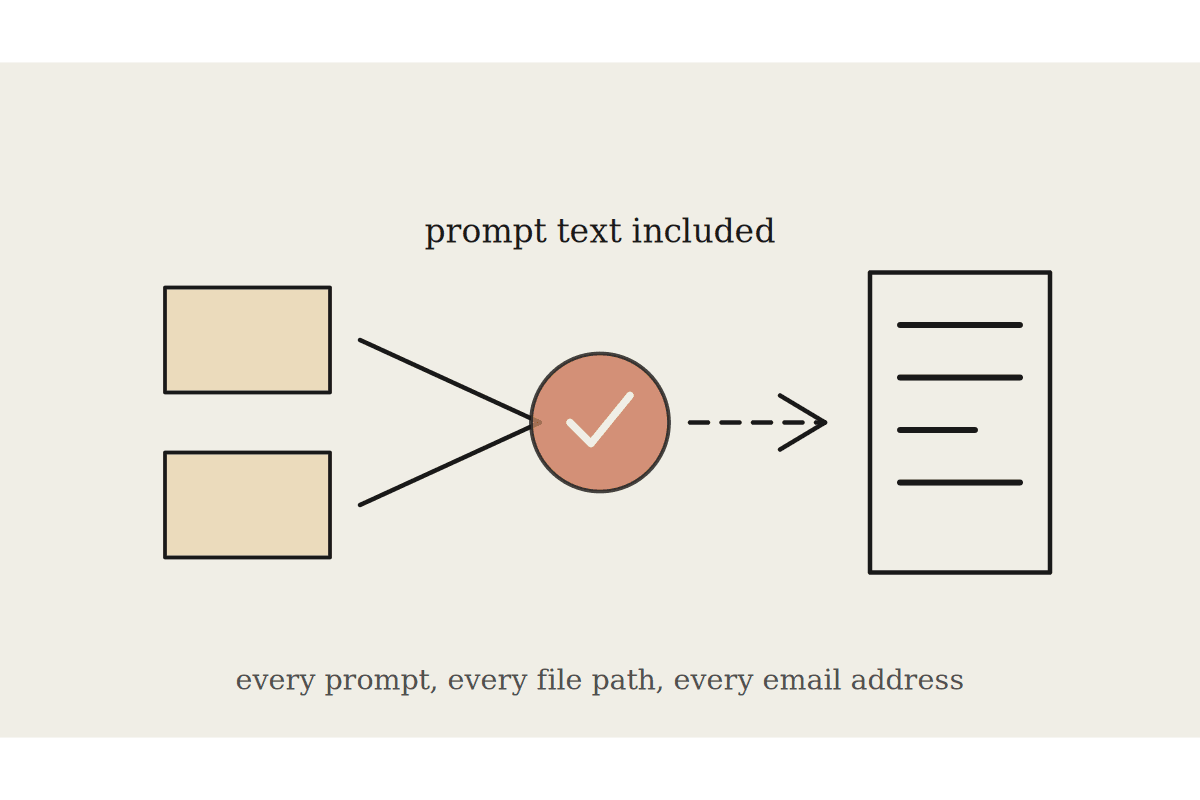
Reading a batch of documentary evidence and flagging where a payslip date or employer detail does not match the claimed outcome, before it goes for submission.
Summarising a long file into a one-page handover when a participant moves between consultants.
Rewriting a dense letter to an employer or a health professional so it stays professional and easy to read.
Documentary evidence for outcome claims
The outcome claim is where money and compliance meet, so it deserves the most care. A consultant can give Claude the claim details and the supporting documents and ask a single question: does this evidence support this milestone, and if not, what is missing? Claude reads the payslip, checks the dates and hours against the claimed 26-week or 52-week point, and returns a short list of concerns in seconds rather than a manager finding them a fortnight later. The person still makes the call and still submits the claim; Claude just catches the obvious mismatches early, when they are cheap to fix. A single rejected claim can cost a provider a few thousand dollars and weeks of rework, so catching even one in ten before submission adds up over a year.
Data Exchange and progress notes
DEX rewards consistency: the same participant, the same case, the same activity recorded the same way every time. Claude is good at taking messy human input and shaping it into a consistent structure, which is exactly what a clean DEX record needs. A consultant dictates what happened in the appointment, and Claude returns both a readable progress note for the file and the structured fields the record needs, keeping the participant's own words where they matter.
Keeping participant data safe
This is disability and health-adjacent data about vulnerable people, so privacy is not a footnote. Any use of Claude here sits under the Privacy Act 1988 and your own funding agreement, and the sensible default is to keep identifying detail out of prompts wherever the task does not need it. A note can be drafted with initials rather than a full name and date of birth. Our standing advice to Australian providers is to agree a short data-handling policy before the first consultant opens a chat window: decide which categories of information never leave the case management system, and train the team on that line. Claude does not train on business data sent through the API, but a clear internal rule matters more than any single vendor promise.
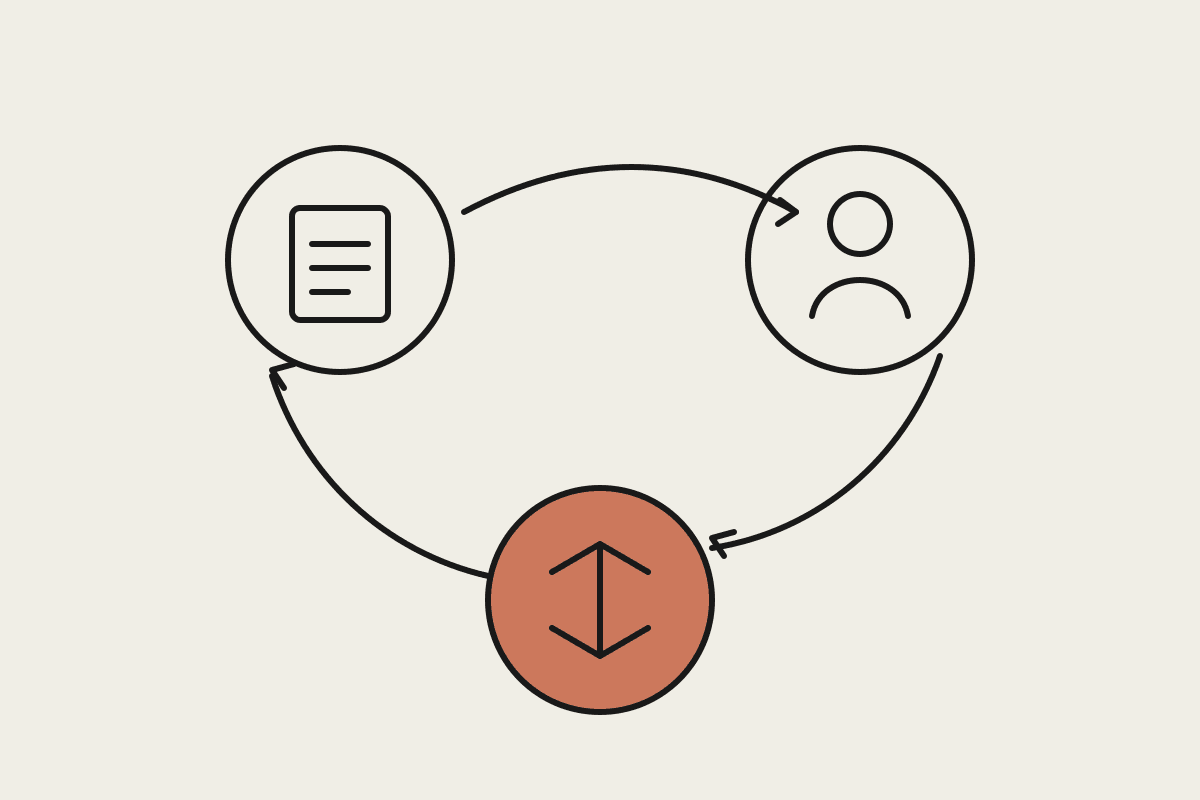
It also helps to be plain with participants and staff about what the tool does. Claude drafts and checks; a qualified consultant reviews, edits and owns every note, plan and claim that carries their name. That framing keeps the human accountable and keeps the reporting defensible if an auditor asks who wrote what.
A sensible first 30 days
Providers who get value from Claude tend to start narrow and prove it before widening. A reasonable first month looks like this:
Week one: pick a single high-volume document, usually the progress note, and write a house template Claude can follow.
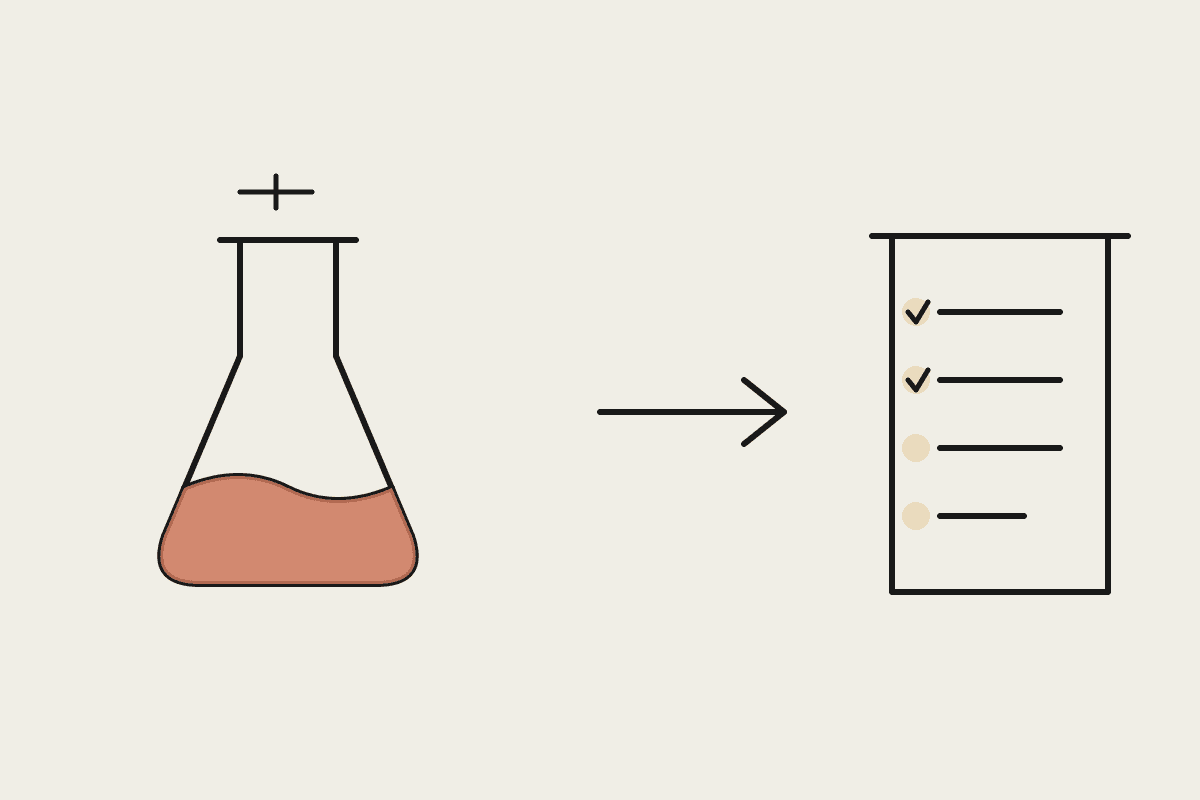
Week two: run it with two or three willing consultants and compare the drafted notes against your quality standard.
Week three: add the outcome-evidence check, with a manager reviewing every Claude flag until trust is earned.
Week four: write the short data-handling policy, brief the whole team, and decide what to roll out next.
The reporting load in disability employment is not going away, and the audit bar keeps rising. Claude is a practical way to protect documentation quality and give consultants their week back, without a large software project or a change to your case management system. If you run a provider in Australia and want to map out where it fits, you can book a short brainstorm with us through our contact page, and we will walk through your specific reporting streams.