Optometry practices in Australia run on two quiet streams of admin that rarely make it into the appointment book: chasing patients back for their next check, and writing the clinical letters that keep GPs and ophthalmologists in the loop. Both matter clinically. Both eat hours. And both are a strong fit for Claude, the assistant built by Anthropic, when it is set up carefully around the systems you already run.
The recall gap costs more than it looks
A typical independent practice sees a meaningful share of patients drift past their recommended review date. For a diabetic patient due for annual retinal screening, or a child flagged for a six-month myopia review, a missed recall is a clinical risk, not just lost revenue. Yet most recall runs are still a manual export, a spreadsheet sort, and a batch of near-identical SMS and letters typed by a busy front-desk team.
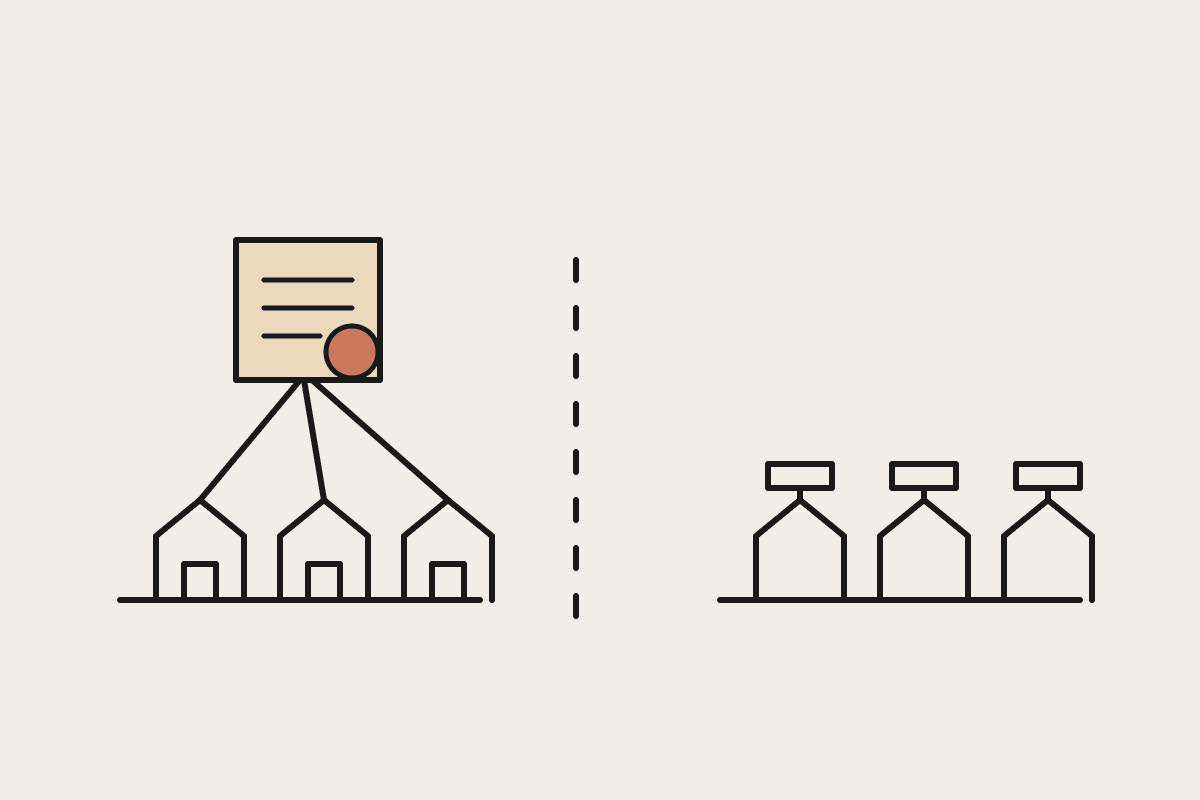
Claude can take the export from your practice management system and draft the whole recall run in minutes, matched to each patient's reason for review and reading level. It writes the SMS, the email, and the printed letter, and it flags the patients who need a phone call rather than a text.
Group patients by recall reason (diabetic screening, glaucoma review, myopia progression, routine two-year check) so the wording fits the clinical need.
Draft the SMS, email and letter versions of each message in one pass, in plain Australian English.
Surface the high-priority recalls first, so an overdue diabetic screen never sits behind a routine reminder.
Hold one consistent, on-brand tone across every message without a template that reads like a template.
The quieter benefit is consistency. When four different front-desk staff write recall messages across a month, tone and clarity drift. A patient who receives a warm, clear reminder is more likely to book than one who gets a terse line of text. Claude keeps the quality of the fiftieth message matching the first.
Report letters that sound like you wrote them
The referral letter back to a GP, or the report to a treating ophthalmologist, is where clinical time quietly disappears. A thorough letter after a glaucoma work-up or a diabetic review can take 10 to 15 minutes to write well. Across a full clinic day, that is easily an hour of an optometrist's time spent on prose rather than patients.
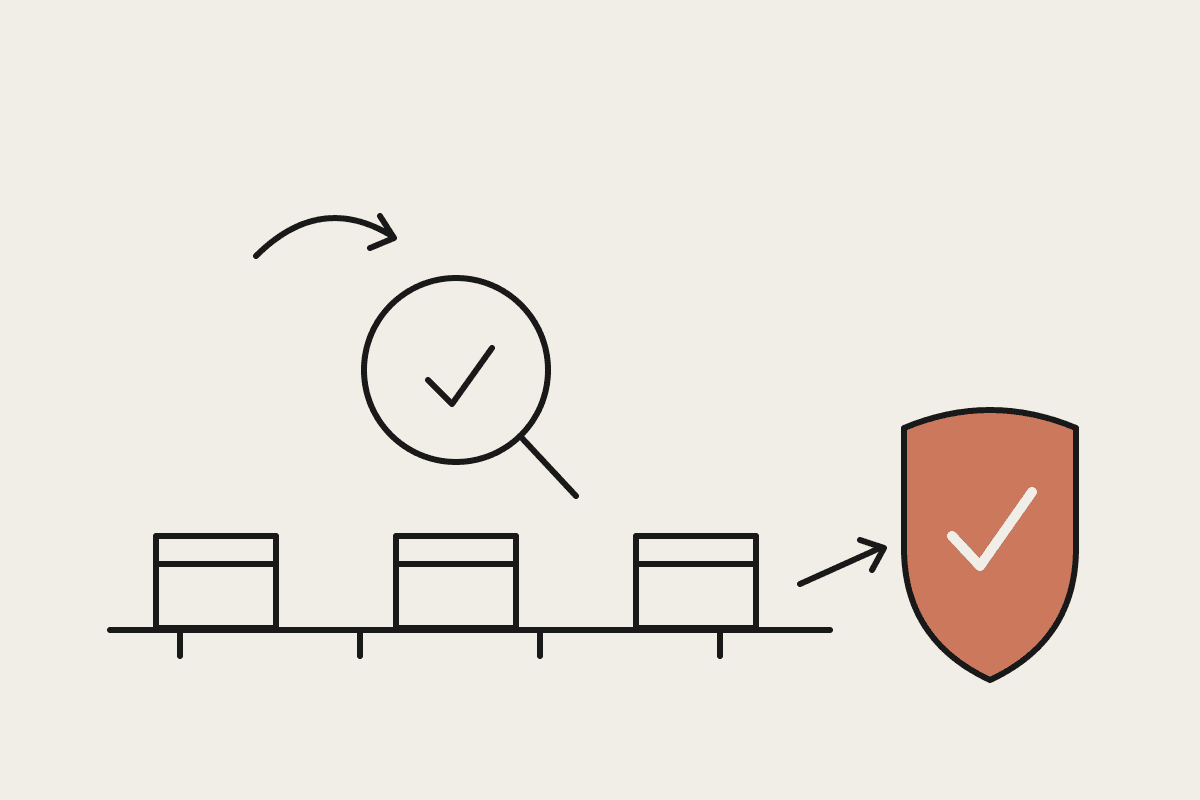
Given your clinical notes, Claude drafts a structured report letter in the format your referrers expect: presenting reason, relevant history, examination findings, impression, and management plan. It keeps your phrasing, uses correct clinical terminology, and leaves the clinical judgement entirely with you. You review, adjust, and sign. The draft is the grunt work; the decision stays yours.
It also helps with the letters no one enjoys: the careful wording when you are referring on a suspicious optic disc, or explaining to a GP why a patient needs a review sooner than the usual cycle. Claude gives you a solid first draft of the delicate paragraphs, which is often the hardest part of getting started.
What it does to a small practice's numbers
Consider a two-optometrist practice. If report letters and recall admin absorb six hours a week between the clinicians and the front desk, and you value that time conservatively at $80 an hour loaded, that is roughly $25,000 a year of capacity tied up in typing. Recover half of it and you free the equivalent of around $12,000 in clinical or front-of-house time each year, plus the harder-to-price benefit of recalls that actually go out on schedule. For a practice weighing a $180,000 second chair or an extra clinic day, that recovered time changes the maths.
Patient data and the rules that apply
Optometry sits under the Privacy Act and the Australian Privacy Principles, and every registered optometrist answers to AHPRA and the Optometry Board of Australia. That shapes how any assistant should be used. Claude should see the minimum patient detail needed to do the drafting, run through an account and data path you control, and never become the system of record. Deployed that way, from a practice in Sydney to a regional clinic, it stays a drafting tool that speeds up the writing while your practice management system and clinical records remain the source of truth.
There is a setup cost, and it is worth naming. Getting the voice right takes a couple of sessions with your real letters and your real recall reasons, and someone in the practice has to own the review step so nothing goes out unread. That is the honest trade: a few hours of configuration up front in exchange for hours back every week after. Most practices find the letters reach a usable standard within the first day of tuning, and the recall wording settles soon after.
A sensible first step
The lowest-risk place to start is report letters, because the optometrist reviews every word before it leaves the building. Run Claude against a week of de-identified example notes, compare its drafts to what you would have written, and tune the prompt until the voice is right. Once the letters feel like yours, extend the same approach to the recall run.
If you run an optometry practice and want to see what this looks like against your own workflow, we help Australian businesses set up Claude safely and get it earning its keep. You can book a short call and we will map the two or three jobs worth automating first.