A barristers' chambers does not run on the barristers alone. It runs on the clerk. In Australian chambers, the clerk is the person who takes the call from an instructing solicitor, works out which counsel is free and suitable, negotiates the fee, enters the matter in the diary, and keeps the whole listing schedule from colliding with itself. When a clerk is good, silks and juniors barely think about the machinery behind their practice. When a clerk is stretched, briefs sit unread, fees slip, and court dates get double-booked.
Claude, the assistant built by Anthropic, can take a large share of the repetitive load off a clerk's desk without touching the judgement calls that make clerking a craft. This guide walks through where it fits in a working chambers, and draws an honest line around what should stay human.
What a clerk actually does all day
The job is wider than most solicitors realise. A senior clerk in a busy Sydney or Melbourne chambers might carry 20 to 40 barristers, each with their own diary, fee scale, and preferences. On any given morning the work includes:
Reading incoming briefs and sorting them by matter type, urgency, and which counsel suits
Managing the diary across hearings, mentions, conferences, and mediation dates
Negotiating and recording fees, then chasing them through to payment
Preparing conflict checks before a barrister accepts a matter
Drafting routine correspondence to instructing solicitors and to courts
Most of that is high-volume, low-variation work. A brief arrives as a PDF bundle of several hundred pages, and the clerk needs the gist, the key dates, and the fee expectation, not a cover-to-cover read. A diary clash needs spotting in seconds, not after the barrister has already accepted. That is exactly the kind of work Claude handles well, and exactly the kind of work that eats a clerk's morning.
Where Claude fits the clerk's day
Brief intake and triage
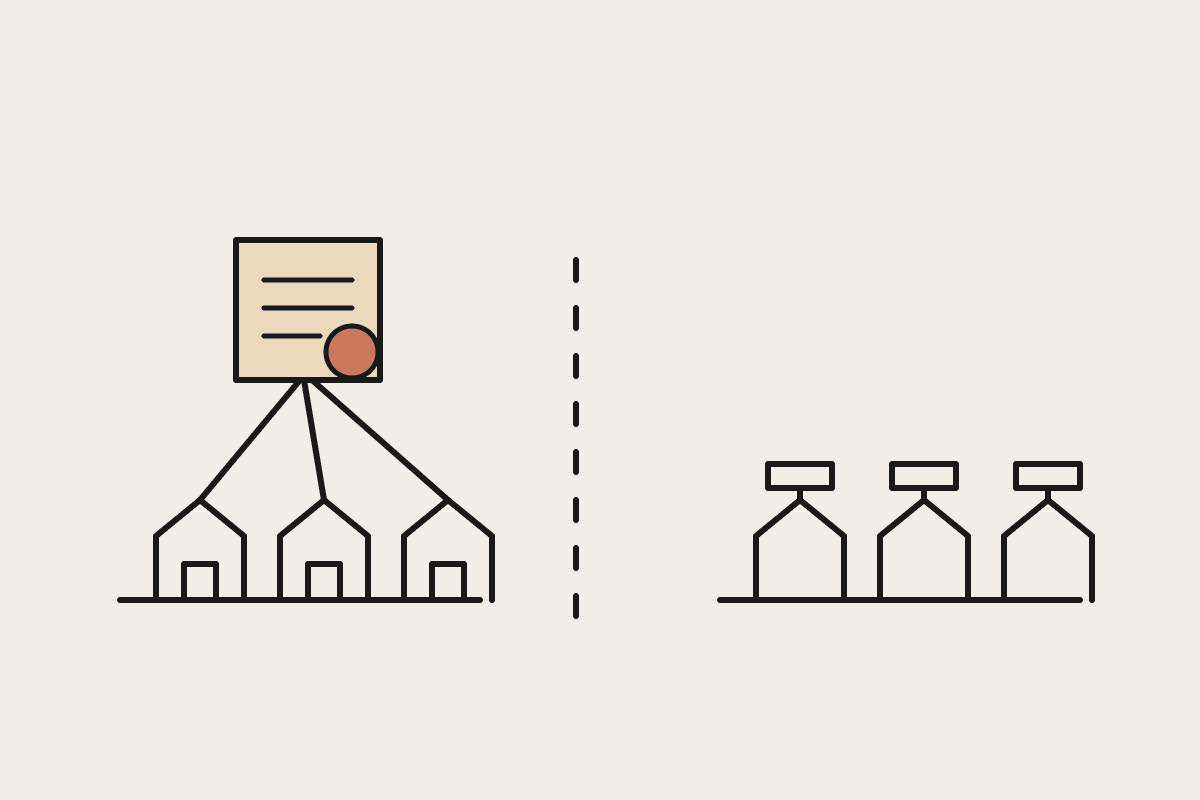
When a brief lands, the clerk can ask Claude to read the bundle and return a one-page note: parties, matter type, court and listing dates, the questions counsel is being asked to advise on, and any deadline that bites this week. Instead of skimming 300 pages to decide who to offer the brief to, the clerk reads a structured summary in under a minute and makes the call. The clerk still chooses counsel. Claude just clears the reading.
Preparing conflict checks
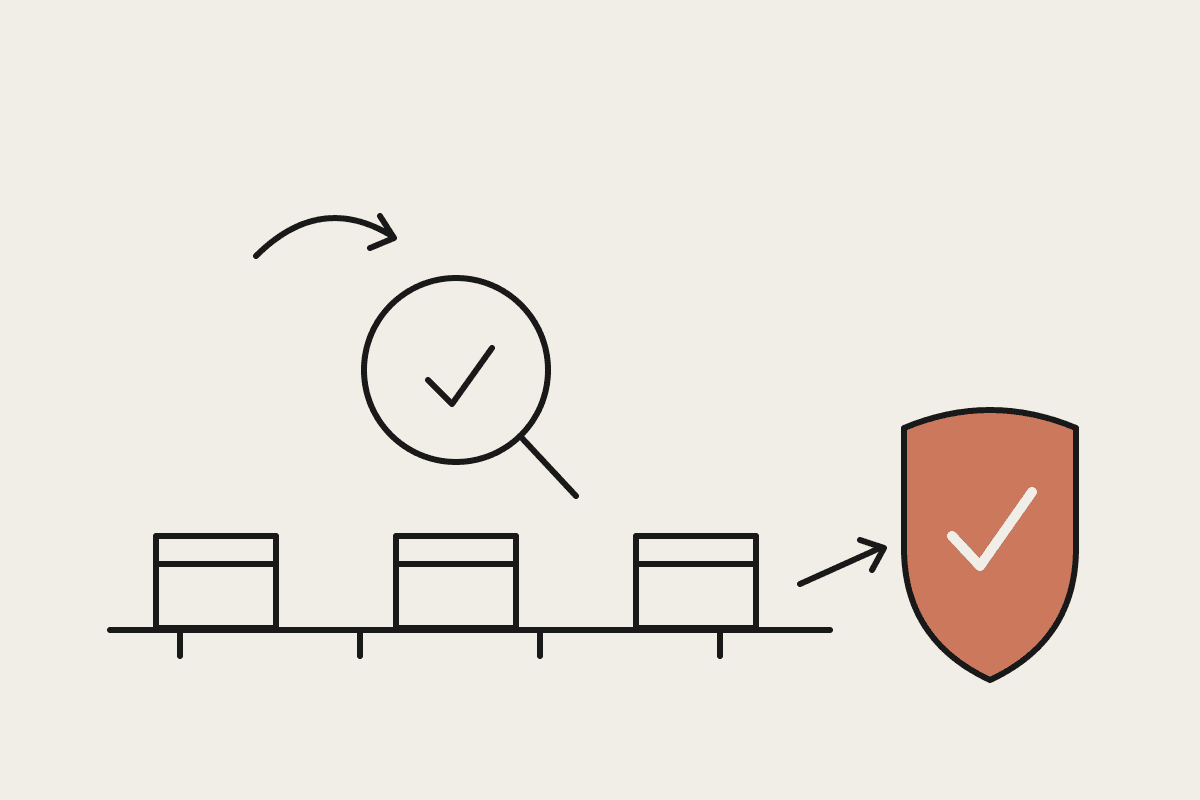
Claude can pull every party, related entity, and solicitor name out of a new brief into a clean list, which the clerk runs against the chambers conflicts register. Claude prepares the list. The clerk, and where needed the barrister, makes the conflict decision. The extraction is admin. The judgement is not.
Diary and fee correspondence
Claude drafts the routine letters: the note confirming counsel is available with the fee for the advice plus GST, the reminder to a solicitor whose fee is 60 days overdue, the courteous decline when a barrister is fully committed. The clerk edits and sends. A chambers that recovers even one extra hour of a clerk's day is recovering time worth roughly $45,000 a year in a market where experienced clerks are hard to find and harder to replace.
A worked example
Take a mid-size chambers of 25 barristers in Sydney with two clerks handling intake, diary, and billing. Before Claude, brief triage and routine correspondence took each clerk around two hours a day. After moving brief summarising, party extraction, and first-draft correspondence to Claude, that dropped to about 40 minutes each, and the clerks spent the recovered time on fee negotiation and solicitor relationships, the parts of the job that actually protect chambers income.
Over a year, close to two hours saved per clerk per day adds up to something in the order of $90,000 of capacity returned to the practice, rather than paid out in overtime or spent hiring a third clerk before the work truly justifies it. The barristers noticed a different thing: briefs were being answered faster, and fewer matters slipped through the cracks in a busy list.
What has to stay human
The Australian Bar runs on obligations that no assistant should quietly take over. The cab-rank rule, the final conflict decision, and anything touching client confidentiality or legal professional privilege stay with the clerk and the barrister. So does the choice of counsel and the relationship with instructing solicitors, which is judgement built over years, not a task to hand off.
There is also a data point that matters before any real brief goes near a tool. Privileged material should only move through arrangements that keep chambers content private and are agreed in advance. Claude can run inside setups that hold that material confidentially, and that configuration should be settled with the chambers, not assumed. Used that way, the reading and the drafting move faster while the privilege and the professional duties stay exactly where they belong.
The pattern that works is narrow and repeatable: give Claude the reading and the first drafts, and keep the judgement and the relationships with the people who have always owned them. If you run or clerk a chambers and want to map which of these workflows would pay off first, book a short call and we can talk it through.