Getting a development application through an Australian council is rarely held up by the design work. It is held up by everyone who feeds into it. A single DA for a medium-density site in Sydney can pull in a town planner, surveyor, traffic engineer, arborist, stormwater consultant, heritage adviser and a private certifier, each running on their own timeline. Miss one referral response and the whole lodgement slips a month. This is the part of land development where Claude earns its place: not drawing the plans, but keeping the paperwork, the consultants and the council correspondence moving in step.
The real bottleneck is coordination, not design
Developers lose most of their time in the gaps between people. A request for further information lands from council, the response needs input from two consultants, and three weeks pass while emails bounce around. On a project carrying $40,000 a month in holding costs, a preventable four-week delay quietly erases $40,000 of margin before a single brick is laid. Across a portfolio of four or five active sites, that arithmetic repeats every quarter.
The failures are boringly consistent, and almost all of them are administrative rather than technical:
Missed council RFI deadlines because no single person owned the response
Consultant reports arriving in the wrong format or missing a section the DA schedule requires
Version confusion when a drawing set is updated but the lodgement checklist is not
Conditions of consent that get lost in the handover between approval and construction
No shared view of where each referral actually sits on any given day
None of these need a smarter engineer. They need someone reading every email, cross-checking it against a live checklist, and flagging what is late before it becomes a problem. That is administrative work, and it is exactly what Claude is good at.
Where Claude fits in a land development workflow
The useful framing is Claude as the coordinator who never drops a thread, sitting underneath the development manager rather than replacing them. Three jobs carry most of the value.
Reading and summarising council correspondence
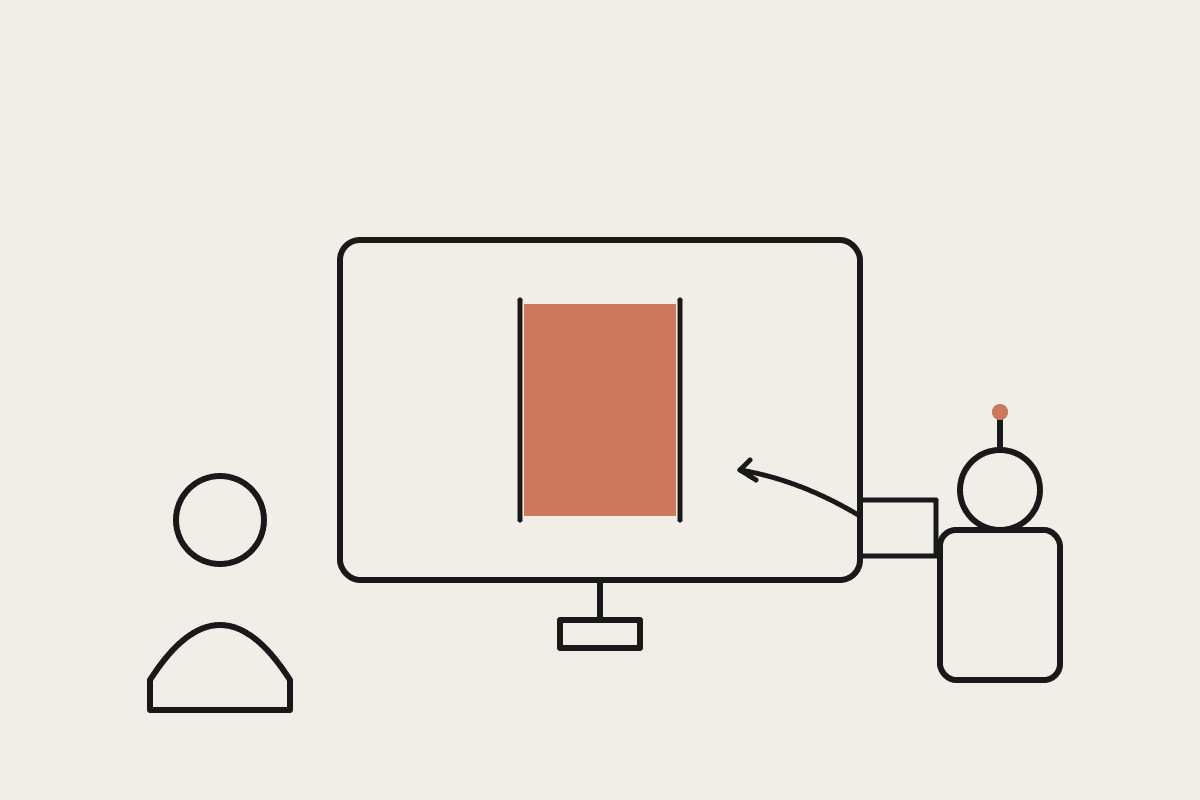
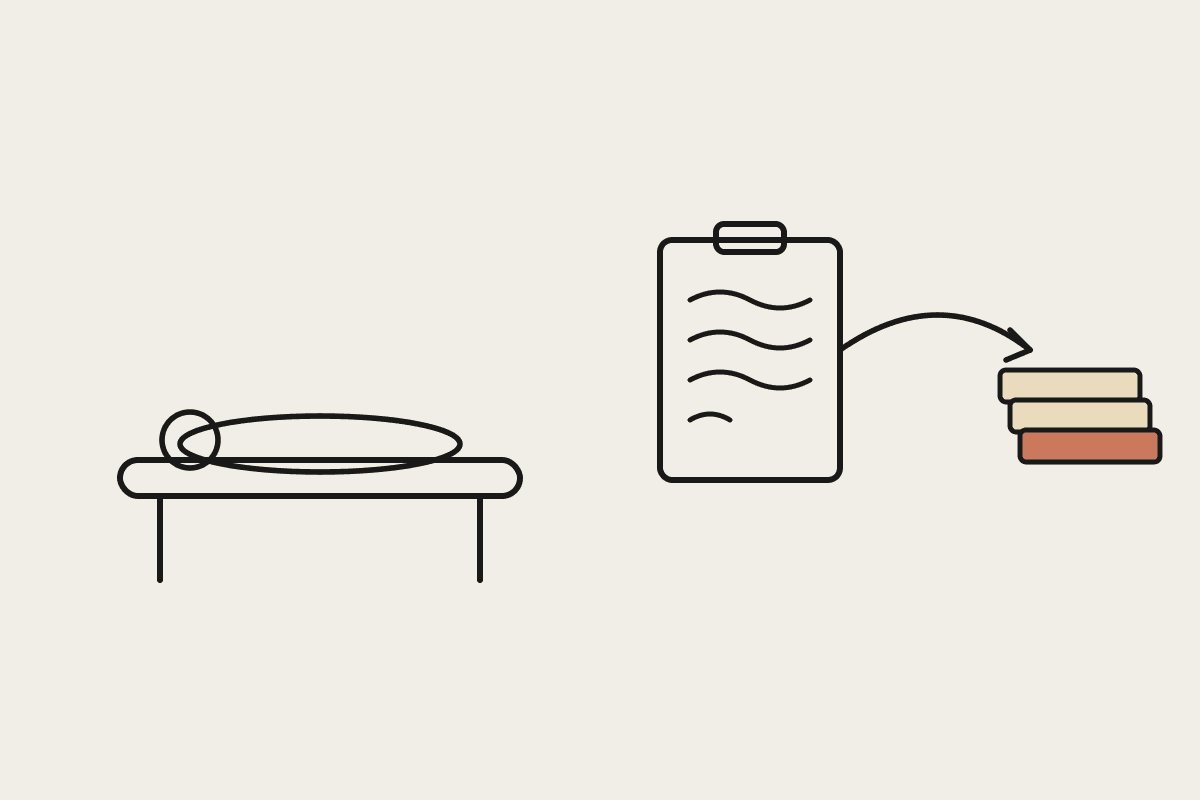
Council letters and RFIs are dense and inconsistent. Claude can read an incoming RFI, pull out each discrete request, map it to the consultant who owns it, and produce a plain-English summary with a due date for each item. Instead of a development manager re-reading a six-page letter three times, they get a one-page action list that says who needs to do what, and by when.
Tracking consultant deliverables
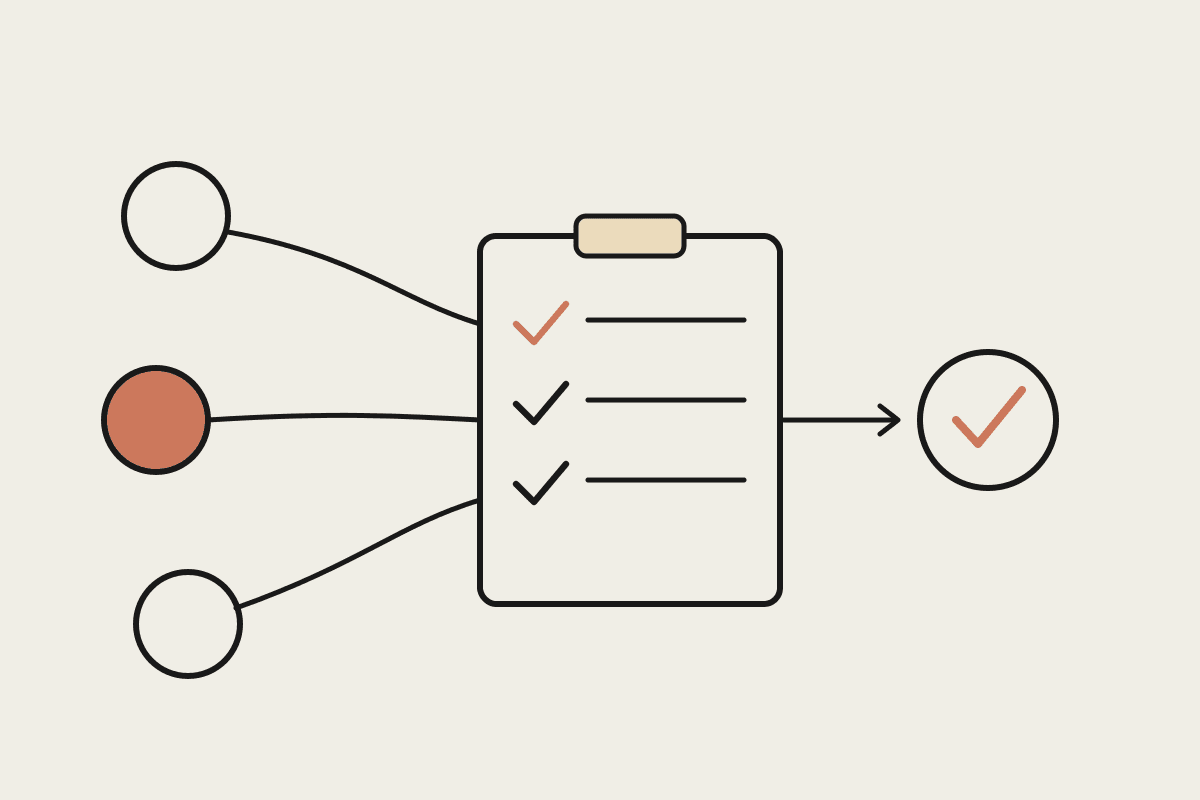
Give Claude the lodgement requirements for a DA and the list of engaged consultants, and it can maintain a running status of what has been received, what is outstanding, and what has come back incomplete. When a stormwater report arrives without the required overland flow assessment, Claude can catch the gap against the checklist rather than the developer discovering it at lodgement.
Drafting responses and consultant briefs
Once the requests are mapped, Claude can draft the individual consultant briefs and the covering response to council, written in the developer's own tone and referencing the correct condition numbers. A person still reviews and sends every message. The saving is in the drafting time, which on a busy RFI can run to half a day of a development manager's week.
A worked example: one DA, eight consultants
Take a townhouse development in a Melbourne growth corridor with eight consultants engaged and a council RFI carrying eleven separate items. Handled manually, the development manager spends the better part of two days decoding the RFI, working out who owns each item, chasing responses and assembling the reply. Realistically the reply goes back in four weeks.
With Claude reading the RFI on day one, the eleven items are sorted and assigned by the afternoon, each consultant has a specific brief in their inbox, and the development manager has a dashboard showing seven items in progress and four still unassigned. The chasing emails draft themselves on a schedule. The reply is realistic in two and a half weeks, and nothing falls through because the checklist is the single source of truth. On a site with $1.2M of margin riding on a spring settlement, pulling ten days out of the approval timeline is the difference between hitting the season and missing it.
The point is not that Claude works faster than a person on any one task. It is that Claude holds the entire state of the DA in view at all times, so the coordination overhead that normally eats a development manager's week largely disappears.
What Claude should not touch
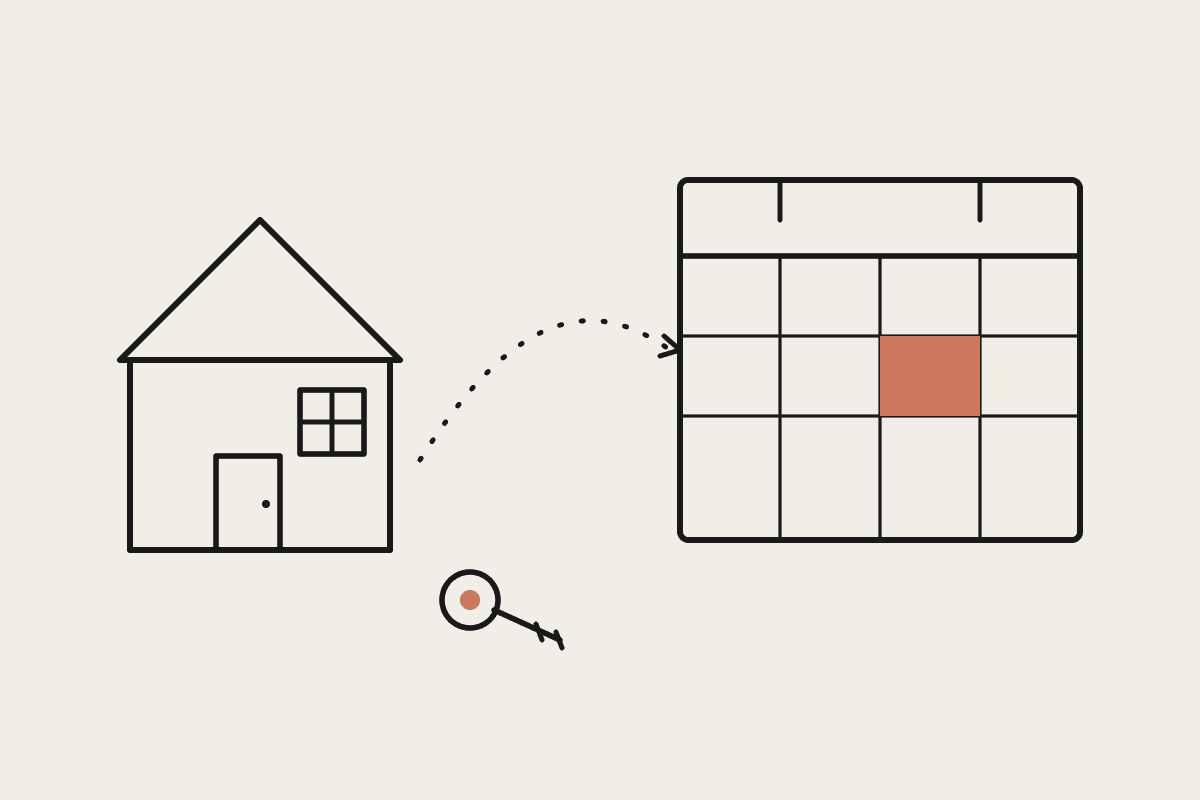
Land development sits inside a regulated planning system, and the boundaries matter. Claude does not sign off planning advice, does not make certification judgements, and does not replace the professional accountability of a registered surveyor, engineer or certifier. Under the planning frameworks that govern councils in NSW, Victoria and Queensland, those judgements carry legal weight and must stay with the qualified professional who owns them.
The safe pattern is to use Claude for the reading, tracking, drafting and chasing, and to keep every professional judgement and every outbound approval with a named person who checks the work. Used that way, it takes the administrative load off the development manager without introducing risk into the parts of the process that cannot carry it.
If you run multiple DAs at once and the coordination is the thing eating your margin, that is a good first workflow to map. Book a brainstorm and we will look at where Claude fits in your approvals process.