Private hospitals in Australia run on paperwork as much as on clinical care. Admissions packs, theatre lists, health fund pre-approvals, discharge correspondence, credentialing files and a steady stream of account queries all pass through administrative teams before and after a patient is ever seen. When operators ask where an AI assistant like Claude fits, the honest answer is to start well away from the bedside. The non-clinical back office is where the fastest and safest wins sit.
Why non-clinical work comes first
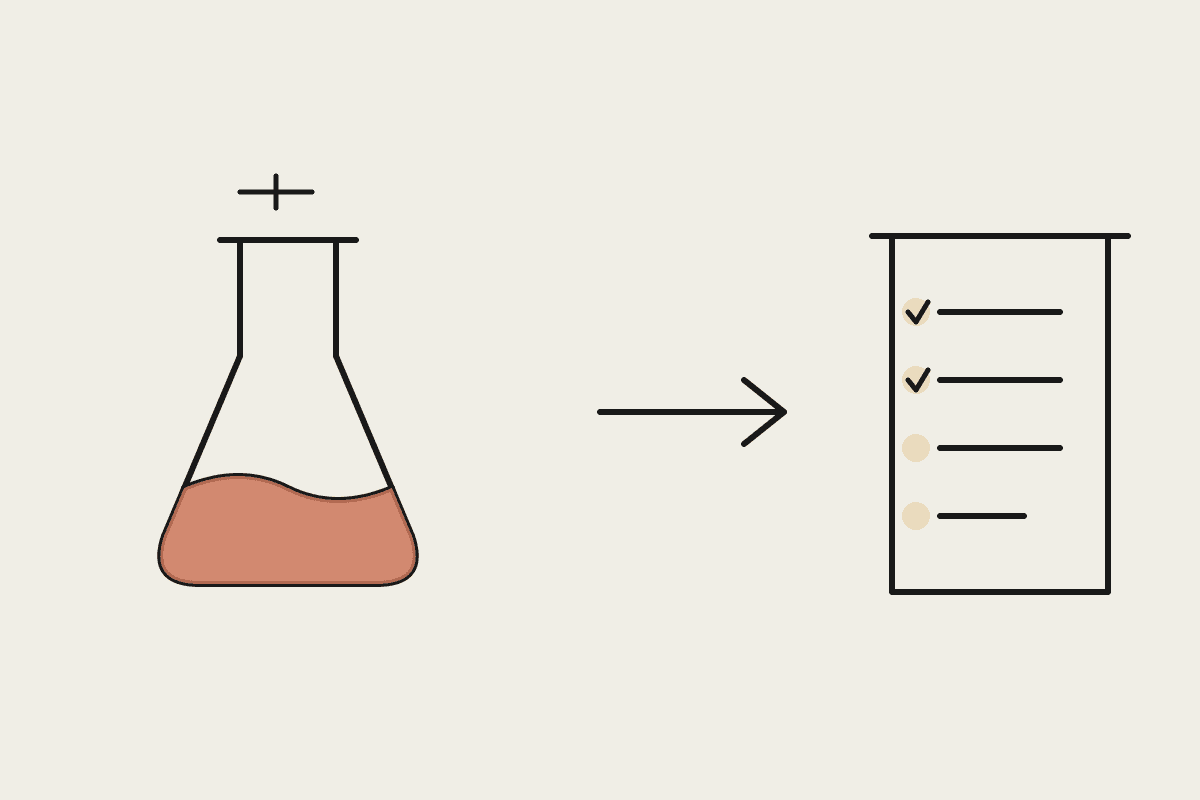
Clinical decisions carry regulatory and safety weight. AHPRA registration standards, clinical governance frameworks and device rules under the TGA all mean that anything touching diagnosis or treatment needs a very high bar of evidence and oversight. Administrative work is a different risk profile. It is repetitive, rules-based and high volume, which makes it the sensible place to build confidence with a new tool.
The case for starting non-clinical comes down to four things:
The tasks are repetitive and rules-based, so a person can check the output quickly.
Mistakes are recoverable and low-stakes, unlike a clinical error.
The volume is large, so small time savings compound across a year.
Staff keep full control at every step; Claude drafts, a person approves and sends.
Where private hospitals lose admin hours
Most of the load is not glamorous, and that is exactly why it is a good target. The recurring drains on an admin team usually include:
Health fund pre-authorisation and eligibility checks, where staff re-key the same patient details across multiple insurer portals.
Pre-admission questionnaires and admissions paperwork that arrive incomplete and need chasing.
Theatre list preparation and the coordination emails that surround it.
Discharge correspondence back to referring GPs, often drafted from scratch each time.
Credentialing and scope-of-practice files for visiting medical officers.
Patient billing and account queries that follow a predictable script but still eat phone and email time.
The numbers add up faster than most operators expect. A mid-sized private hospital can spend $45,000 a year on agency staff just to cover admissions and billing correspondence through peak periods. Reclaiming even an hour a day across a ten-person admin team is worth roughly $120,000 a year in recovered capacity, before you count the reduction in overtime and errors.
What Claude does in the back office
Drafting correspondence
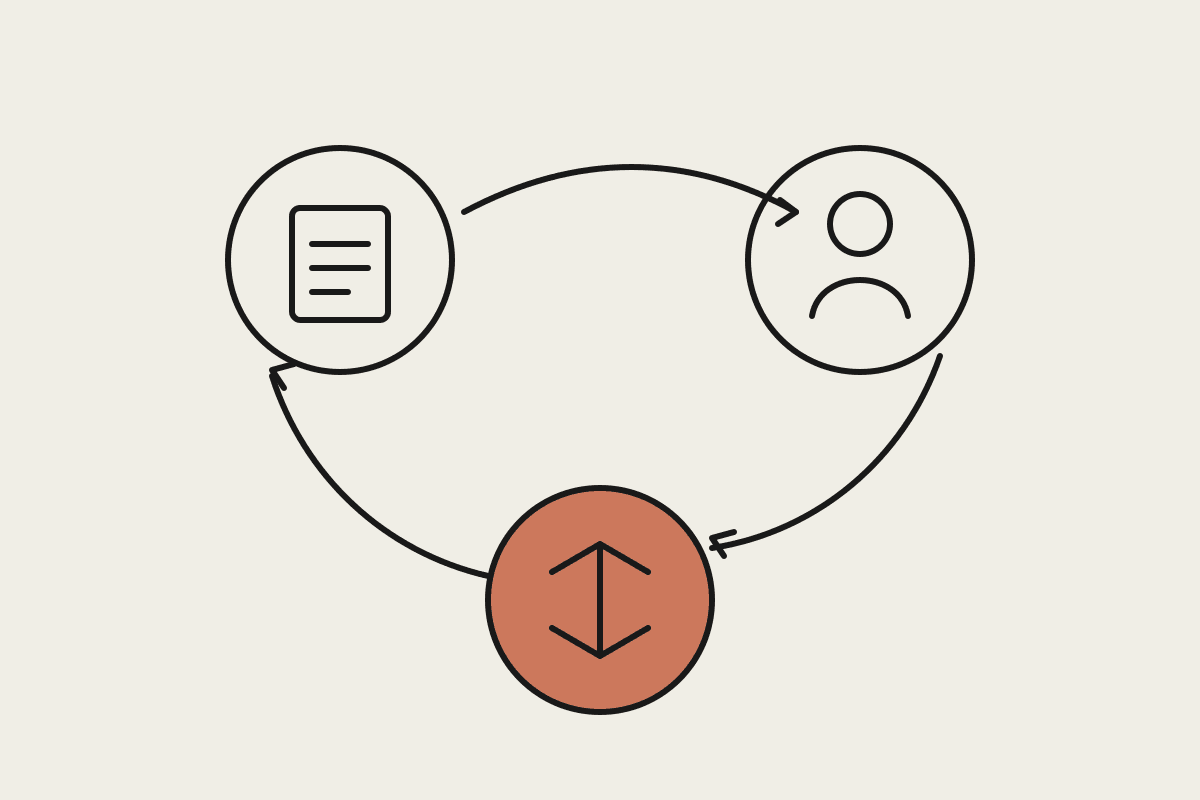
Discharge letters, GP updates and standard patient communications follow known formats. Claude can produce a first draft from the structured notes a clerk already has in front of them, in the hospital's own tone, ready for a clinician or coordinator to review and finalise. The person stays the author. Claude removes the blank page.
Summarising and sorting
Long referral threads, insurer responses and inbound documents can be summarised into a short brief so staff know what needs action without reading every line. The same approach sorts an inbox by urgency and flags anything that looks like it needs a manager.
Answering staff questions from your own policies
A private hospital carries a thick book of policies covering admissions, infection control administration, billing codes and consent paperwork. Claude can answer a staff member's question directly from those approved documents, with the source attached, so a new roster member is not waiting on a supervisor for a routine process question.
Keeping patient information safe
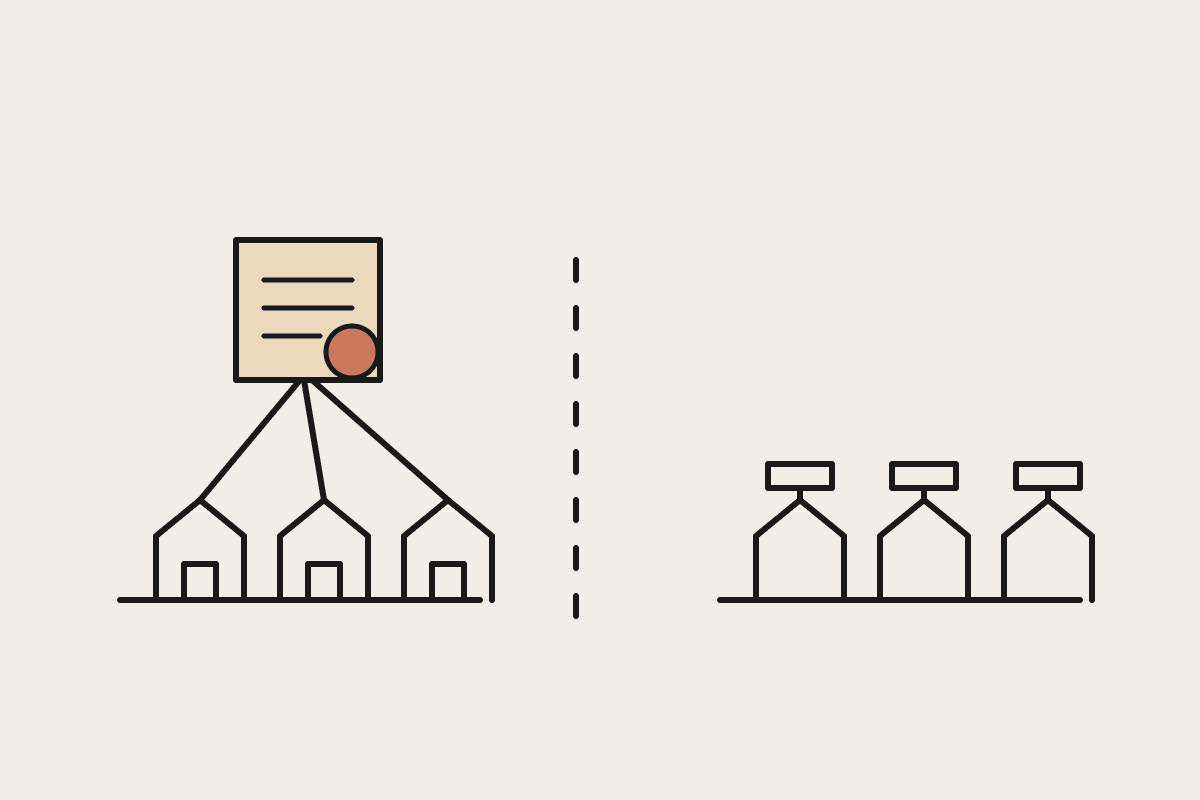
Health records are sensitive information under the Privacy Act 1988 and the Australian Privacy Principles, so the boundary matters more here than in almost any other setting. The rules we put in place before anything goes live are practical: de-identify data wherever the task allows, run everything inside an approved and access-controlled environment, and use Claude under enterprise terms so your content is not used to train the underlying model. A human approval gate stays on every patient-facing output, and every interaction is logged so you can show a clear audit trail to your privacy officer and your board.
This is the part we spend the most time on with Sydney and Melbourne hospital groups. The technology is the easy bit. Designing the data boundary, the access model and the approval steps so the whole thing survives a privacy review is the real work, and it is worth doing first.
A sensible first 90 days
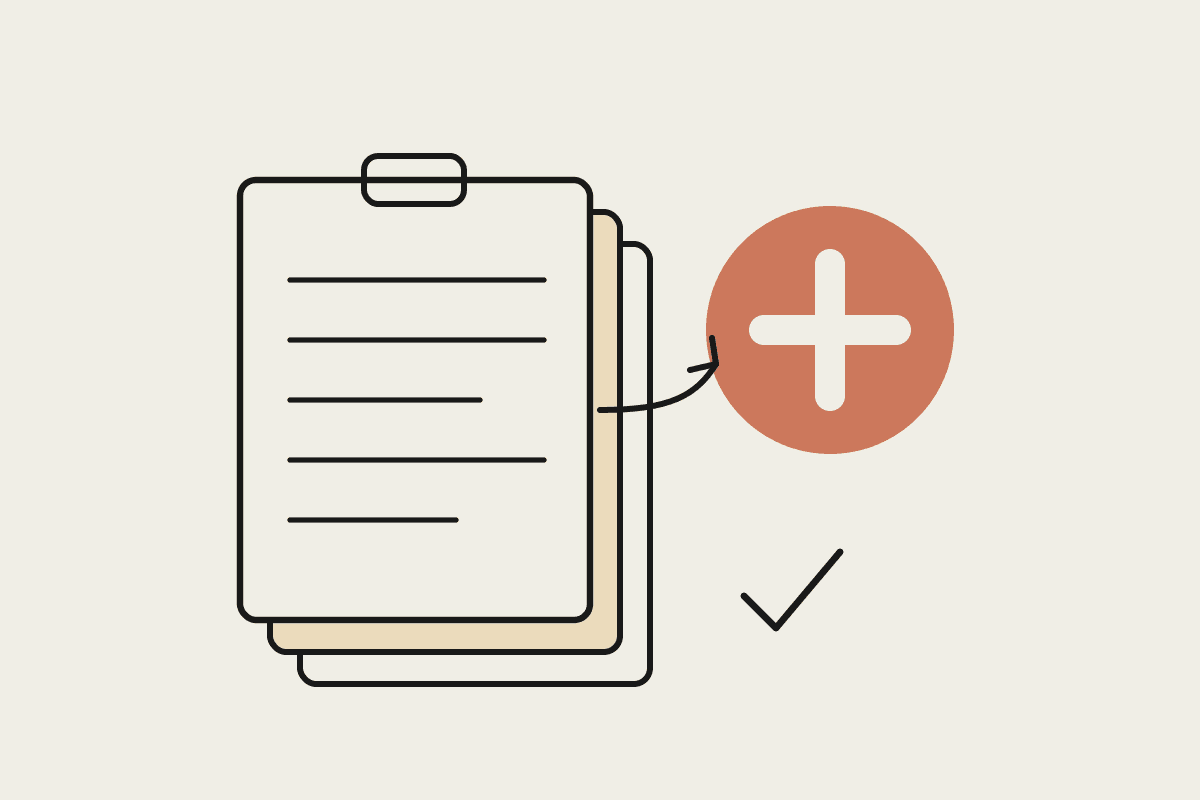
You do not need a large program to get value. A focused three-month start looks like this:
Weeks 1 to 2: pick two non-clinical, high-volume tasks, such as GP discharge letters and billing query replies, and document how they are done today.
Weeks 3 to 6: build the prompts and templates, keep a person in the loop on every output, and compare drafts against your current standard.
Weeks 7 to 12: measure the hours saved, tighten the guardrails, and only then decide which task to add next.
By the end of the quarter you have real numbers, a trained team and a boundary that has been tested against your own privacy obligations. That is a far stronger position than a broad rollout that nobody trusts.
If you run a private hospital or day surgery and want a grounded view of where Claude fits, we map the safe, non-clinical wins first and put the guardrails in before anything touches a patient record. You can book a brainstorm with our team to talk it through.