If you run a trades, civil or transport business with more than a handful of vehicles and machines, the records never stop moving. Registration falls due. A service interval ticks over. A prestart check needs filing. Miss one and the cost is rarely small: a deregistered ute pulled over in Sydney, a plant item that fails an inspection on site, or an insurance claim knocked back because the service history had a hole in it.
Most fleet-heavy businesses track this in a spreadsheet, a folder of PDFs, and someone's memory. That holds up until the fleet grows past what one person can carry in their head. This is where Claude earns its keep. Not as another dashboard to log into, but as a reading and writing assistant that sits on top of the records you already have.
Where fleet and plant records fall apart
The problem is rarely a lack of data. It is that the data is scattered and unstructured, so no one can see the whole picture at once. Across a fleet of 20 or 40 assets, the usual gaps look like this:
Registration renewals buried in email from Service NSW, VicRoads or Transport for NSW, easy to miss when the notice lands three weeks early.
Service logbooks split across the mechanic's invoices, the manufacturer's schedule, and the hours logged on the machine.
Prestart and daily plant checks captured on paper or a form app that nobody reconciles against the assets.
Compliance documents such as plant risk assessments, SWMS and operator tickets, each with an expiry date that no one is actively watching.
Asset details spread across the accountant's depreciation schedule and the insurer's policy list, which never quite agree.
Any one of these is manageable on its own. Together they become a part-time job that usually lands on an office manager who already has one.
What Claude actually does with the records
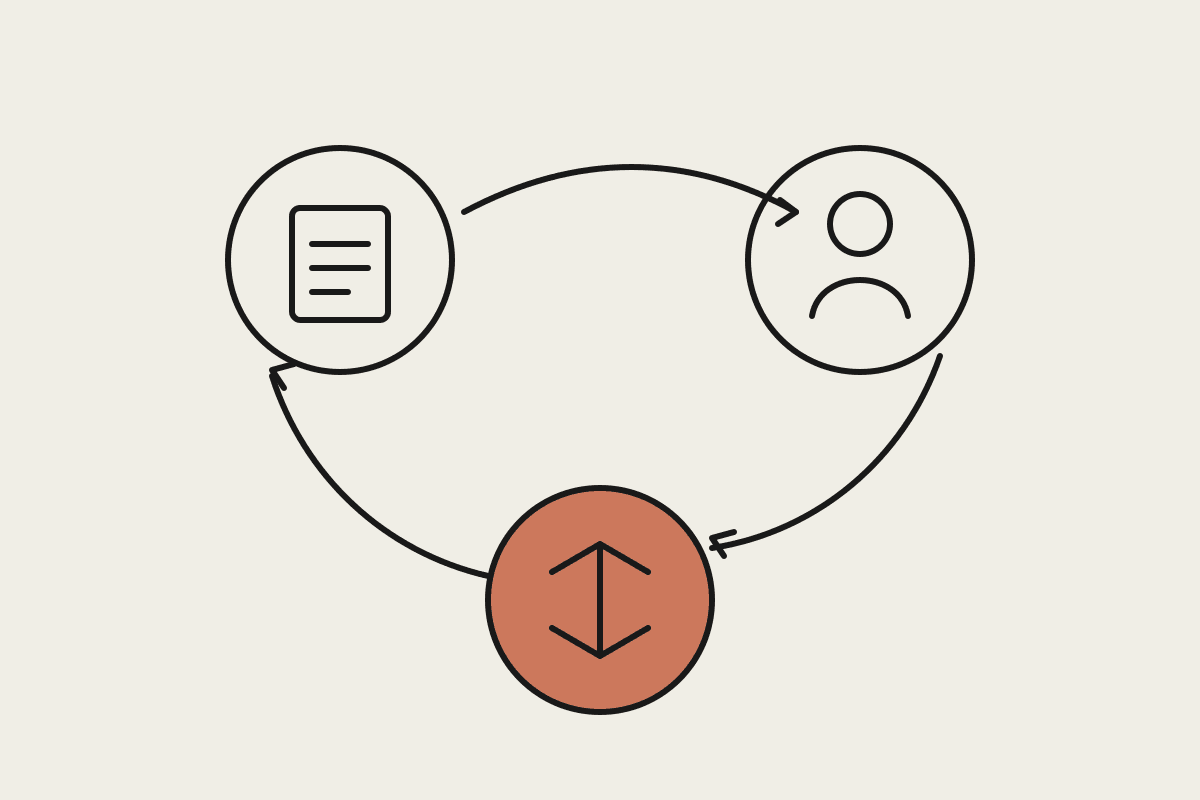
Claude is strong at three things fleet admin needs: reading messy documents, pulling structured facts out of them, and drafting the follow-up. A practical setup breaks into three steps.
Reading and extracting
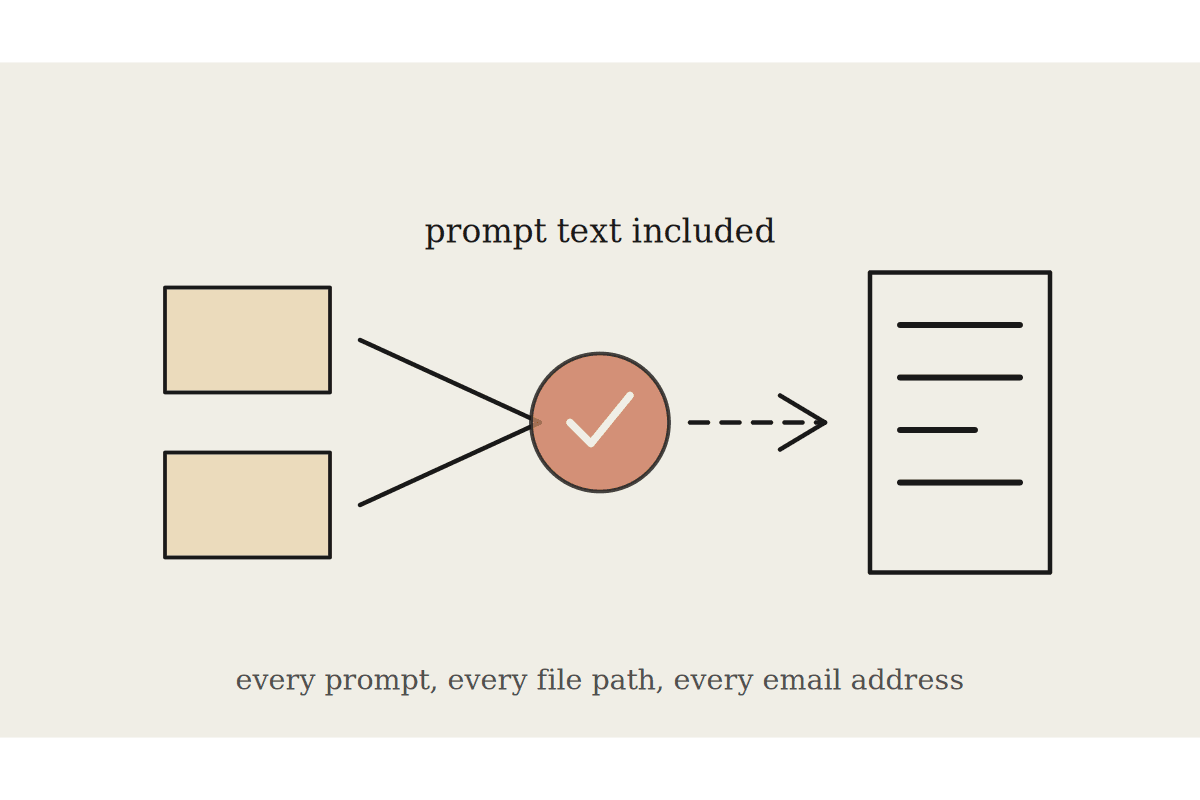
Point Claude at a folder of service invoices, rego notices and inspection reports. It reads each one and pulls the fields that matter: asset ID, odometer or machine hours, date, cost, and next-due date. What was 200 loose PDFs becomes a clean table you can sort by what is due next.
Watching the dates
Once the due dates sit in one place, Claude can produce a rolling 30 and 60 day view every Monday morning: what needs rego, what is near a service interval, and which operator tickets expire this quarter. The output is a short brief a supervisor can act on, not a wall of rows to squint at.
Drafting the actions
For each due item Claude can draft the booking email to the mechanic, the reminder to the operator, or the note to the accountant that a new asset needs adding to the depreciation schedule. You read it, approve it, and send. Nothing goes out on its own, which matters when the fleet is your licence to trade.
The compliance angle you cannot skip
For anyone operating heavy vehicles, Chain of Responsibility under the Heavy Vehicle National Law makes record-keeping a legal duty rather than a nicety. The National Heavy Vehicle Regulator expects you to show that maintenance, fatigue and mass records are current and defensible. On the work health and safety side, plant that is not inspected and logged becomes a liability the moment something goes wrong on a site.
Claude helps by making the paper trail complete and searchable. When an auditor or insurer asks for the full service history of a specific machine, you can answer in minutes instead of losing a day to digging. It will also surface the gaps for you: the asset with no logged inspection in six months, the ticket that lapsed last month, so you fix them before someone else finds them.
What it is worth in dollars
The numbers stack up faster than most owners expect. A single missed heavy-vehicle registration can mean fines and a vehicle off the road. Lost hire or job revenue on a machine sidelined by a failed inspection can run to $3,000 or more a day. One rejected insurance claim over an incomplete service history can be a $45,000 hole in a bad year. Against all of that, the admin time itself is real money: an office manager spending eight hours a week chasing fleet records is close to $25,000 a year in wages on a task that is mostly reading and copying.
In our experience the first clear win is in the admin hours. Cutting that eight hours down to two, and catching two or three near-misses a year, pays back the setup several times over on a fleet of almost any size.
Where to draw the line
Claude is not a fleet telematics platform, and it does not replace maintenance scheduling software you already run and trust. What it does is sit across the tools and the paperwork that never made it into a system, turn them into something you can question in plain English, and draft the follow-ups a person then approves. For a lot of Australian trades and civil businesses, that gap between the spreadsheet and the shoebox is exactly where the risk lives.
If you want to see what this looks like on your own fleet, we can map it out with you in a short session. Book a brainstorm and we will walk through where your records sit today and where Claude can carry the load.