Most Australian food manufacturers already run a compliant HACCP plan on paper. The gap isn't the plan, it's what happens to the records generated by it every shift: temperature logs, CCP monitoring sheets, corrective action forms, and export paperwork that all need to be filled in accurately, filed consistently, and produced instantly the moment an auditor or a DAFF officer asks for them.
The paperwork problem in food manufacturing
Walk through most plants in Sydney, Melbourne, or regional processing hubs and the food safety system itself is solid. What breaks down is the admin layer sitting on top of it. Quality staff are pulled between the production floor and a laptop, logsheets get photographed on a phone and typed up hours later, and corrective actions are reconstructed from memory rather than written at the moment the deviation happened.
CCP log entries missed or backfilled during a busy shift, then reconciled at the end of the week
Corrective action forms completed after the fact, with details that don't quite match the incident
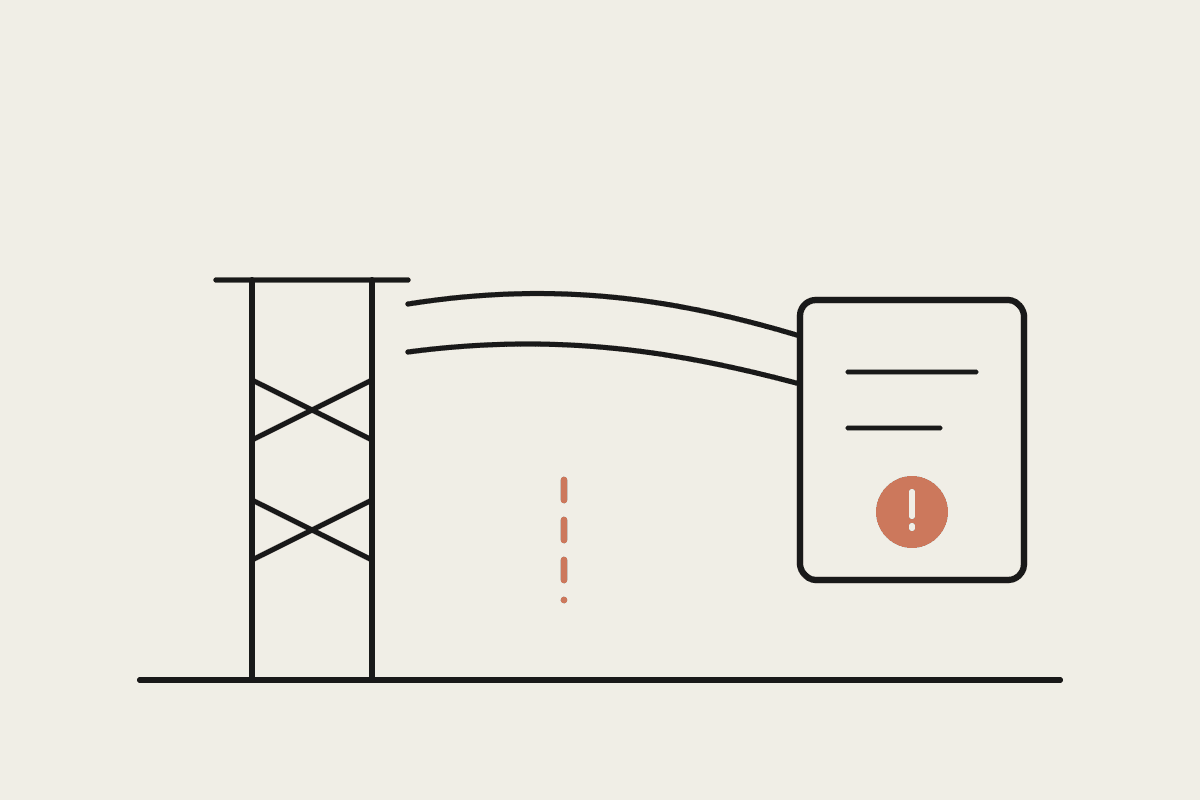
Export certificate paperwork chased manually across email threads before a DAFF submission deadline
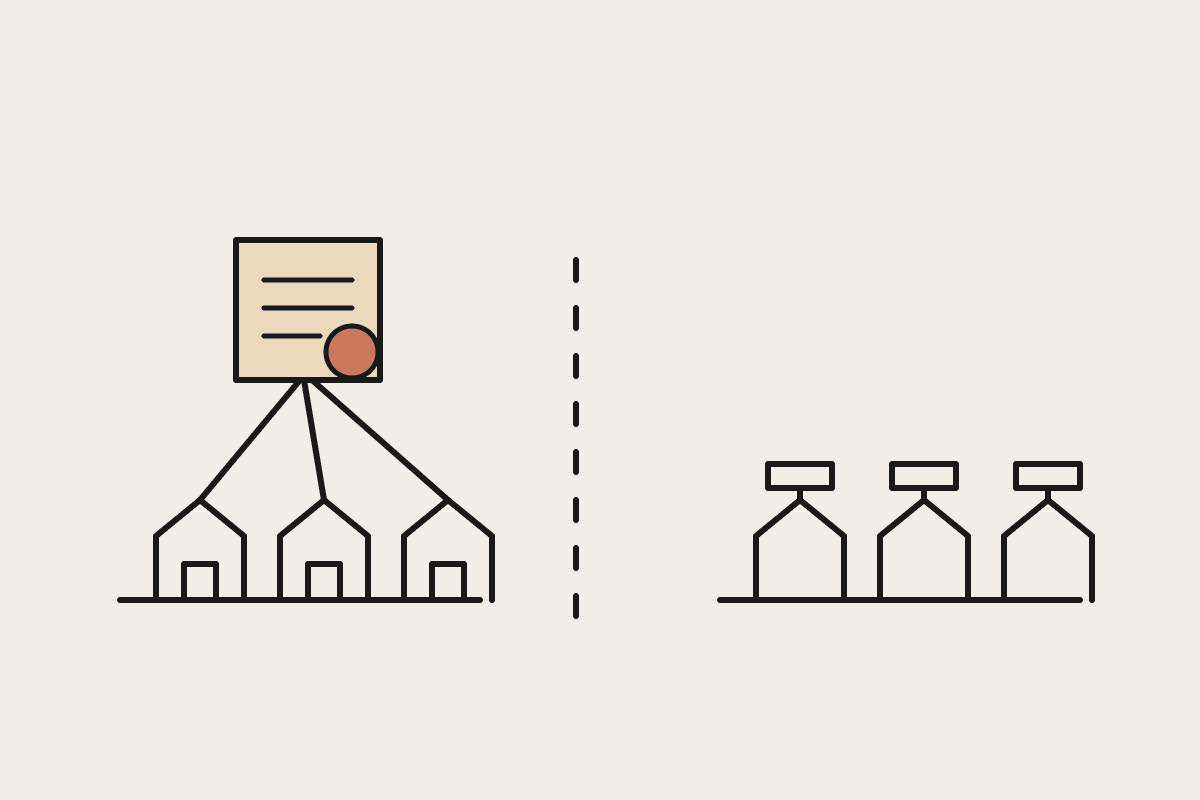
Multiple versions of the same HACCP plan floating around different sites with no single source of truth
Where Claude fits into the HACCP process
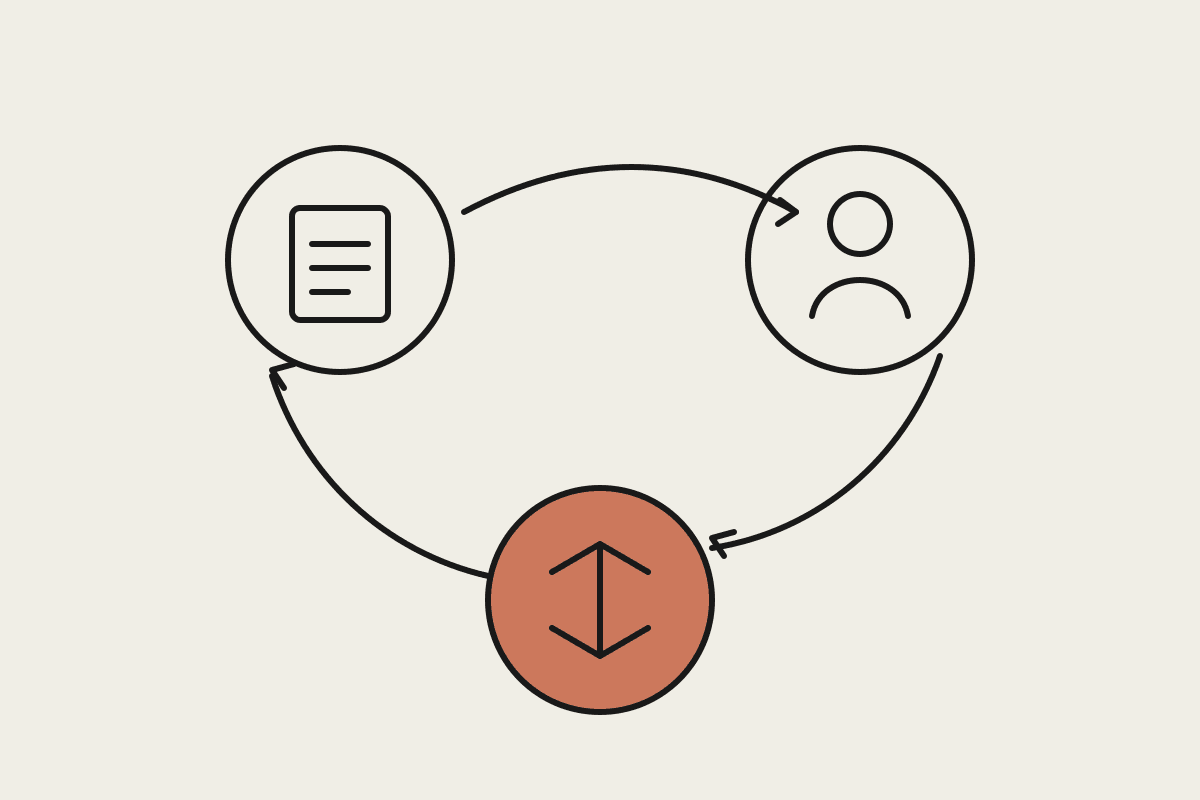
Claude doesn't replace your food safety plan, your quality manager, or your DAFF-authorised officer. What it does well is the structured admin sitting around all three. Photographed logsheets can be read and converted into clean, dated records. Deviations against a critical limit can be flagged automatically and drafted into a corrective action report in the format your certifier expects, ready for a human to check and sign.
A 40-person smallgoods plant we scoped in Melbourne was losing roughly 14 hours a week of a quality manager's time re-keying CCP logs into their compliance system, work that added up to close to $45,000 a year in wages spent on data entry rather than on reviewing trends or preparing for audits. That's the kind of gap Claude is built to close: not a new system, but a faster, more accurate path from paper and photos into the records you already have to keep.
Export documentation without the chase
For manufacturers exporting under DAFF's export certification requirements, the paperwork multiplies fast. A Certificate of Free Sale, health certificates that vary by destination country, ingredient and label declarations that need to match what's actually on the product, all against a submission window that doesn't move. Claude can draft the application from your existing product and batch data, check label wording against the rules of the destination market, and keep a single, auditable version of every document instead of a scattered email trail.
Drafting export certificate applications directly from product and batch records
Cross-checking label and ingredient declarations against destination-country requirements
Chasing internal sign-off automatically before the DAFF submission window closes
Keeping one auditable version of every export document instead of parallel email threads
What a rollout actually looks like
Most plants start with a two-week pilot on a single line before touching anything else. We audit the logsheets and export templates you already use, so nothing changes in how the floor works day to day. Claude is set up to read those exact formats, whether they're paper sheets, PDFs, or a spreadsheet someone maintains on a shared drive. Once the pilot line is producing clean, correctly formatted records, the same setup extends to the rest of the plant.
Week one: audit existing HACCP logsheets, corrective action forms, and export templates
Week two: pilot on one production line, with the quality team checking every output against the paper original
Week three onward: extend to remaining lines once accuracy is confirmed, with sign-off staying with your team
This matters more for exporters carrying a BRCGS or SQF certification on top of HACCP, where auditors want to see a consistent, traceable record across every batch, not just the ones an inspector happens to sample. A Sydney-based cannery we spoke with was manually cross-checking export labels against three separate destination-country rule sets before every shipment; folding that check into the same workflow that drafts the certificate application removed a step that used to take a full day per shipment cycle down to under an hour.
What it doesn't replace
None of this removes the need for a qualified food safety officer or a DAFF-authorised signatory. Claude drafts, organises, and flags; a trained person still reviews and signs off, and any supplier or customer data handled along the way needs to be managed in line with the Privacy Act like any other business record. The value isn't in removing judgement from the process, it's in giving the people responsible for that judgement their time back.
If HACCP records and export paperwork are eating more hours than they should, book a short call and we'll walk through what a Claude-based setup would look like for your plant.