Grant writing rewards precision and punishes the lack of it in equal measure. A single application can run to forty pages of narrative, budget tables, evidence of need, and outcomes frameworks, and one missed eligibility rule can sink months of preparation. For most Australian not-for-profits, the person writing the grant is also running the program, so the work lands at night and on weekends. Claude can take on the mechanical parts of that load without touching the parts that need human judgement.
This guide walks through where the hours actually go in a grant cycle, how Claude helps at each stage from first research to final acquittal, and the checkpoints a writer should keep for themselves. It assumes no technical background beyond being able to paste text into a chat window.
Where the hours actually go
Grant work feels like writing, but most of the time is spent on tasks that surround the writing. A community organisation chasing a $45,000 round through GrantConnect or the Community Grants Hub will usually burn its hours on the same handful of jobs:
Reading guidelines and working out whether the organisation is even eligible before a word is drafted.
Rewriting the same program story to fit each funder's word limits, headings, and selection criteria.
Turning a budget spreadsheet into a plain-English budget narrative that a reviewer can follow.
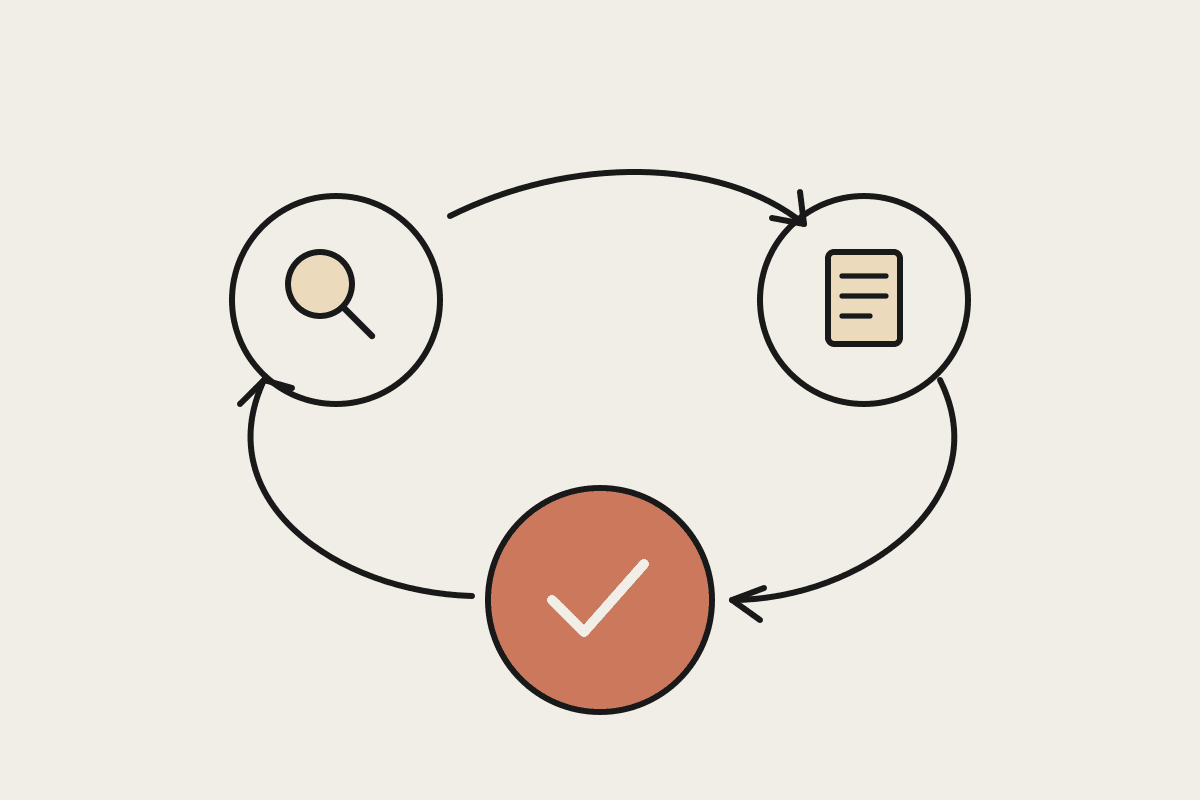
Cross-checking the final draft against every mandatory criterion and attachment on the checklist.
Writing the acquittal report months later, once the money has been spent and the details have gone cold.
None of those jobs is the creative heart of the application. They are the connective work that makes a good idea legible to a funder. That is exactly the kind of work Claude is suited to, because each task is bounded, repetitive, and grounded in documents you already hold.
Claude across the grant lifecycle
Research and eligibility
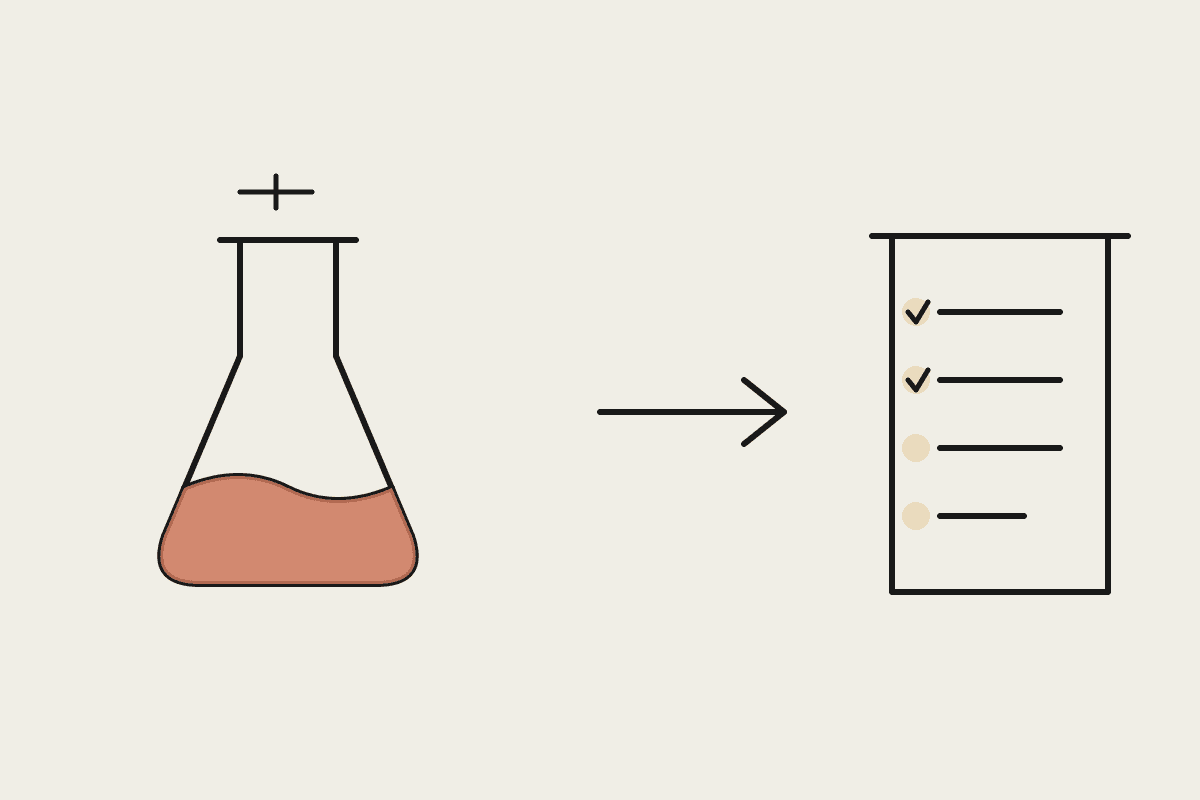
Paste a set of grant guidelines into Claude and ask it to pull out the eligibility rules, closing date, funding range, mandatory attachments, and selection criteria as a short checklist. In a minute you have a one-page map of a document that would otherwise take half an hour to digest. Ask a follow-up question in plain language, such as whether a program auspiced by a larger body still qualifies, and Claude will point you to the clause that decides it rather than guessing. You still confirm the answer against the source, but you start from the right paragraph instead of page one.
Drafting the narrative
Most organisations already hold the raw material for a strong application, scattered across old submissions, annual reports, and program notes. Give Claude a few of those documents plus the selection criteria, and ask it to draft each criterion response using your own evidence. The first pass will not be your final answer, but it breaks the blank-page problem and keeps you inside the word count. A Sydney youth service that reuses its evidence base this way can cut the drafting time on a mid-sized application from two days to an afternoon, which is the difference between applying for a round and letting it pass.
Budgets and outcomes
A budget line that reads $12,000 for coordination tells a reviewer nothing. Hand Claude the budget table and ask it to write the narrative that explains each figure in program terms, and you get a paragraph that ties the $120,000 total back to the outcomes you have promised. The same approach works for logic models and outcomes frameworks: describe your program in ordinary sentences and let Claude structure it into the funder's required format, then correct anything that does not match how the work really runs.
Acquittal and reporting
Acquittal is where good projects lose marks, because the reporting happens long after the excitement of winning the grant. If you keep a running note of activities and spending through the project, Claude can turn that record and the original application into a first draft of the acquittal, matching what you delivered against what you promised. For an organisation registered with the ACNC and juggling several funders at once, that turns a dreaded end-of-year scramble into an hour of editing.
What to keep in human hands
Claude is a strong drafting partner, not the applicant. Some parts of the work should stay with a person who carries the accountability, especially where money and reputation are on the line:
Final eligibility calls. Read the deciding clause yourself before you invest in a submission worth $250,000 of program funding.
Numbers. Check every figure in the budget and the narrative against your own records, because a model can transpose a total.
Claims of impact. Only state outcomes you can evidence, and never let a draft inflate what your program has actually achieved.
Confidential detail. Be deliberate about what beneficiary or partner information you paste in, and follow your obligations under the Privacy Act.
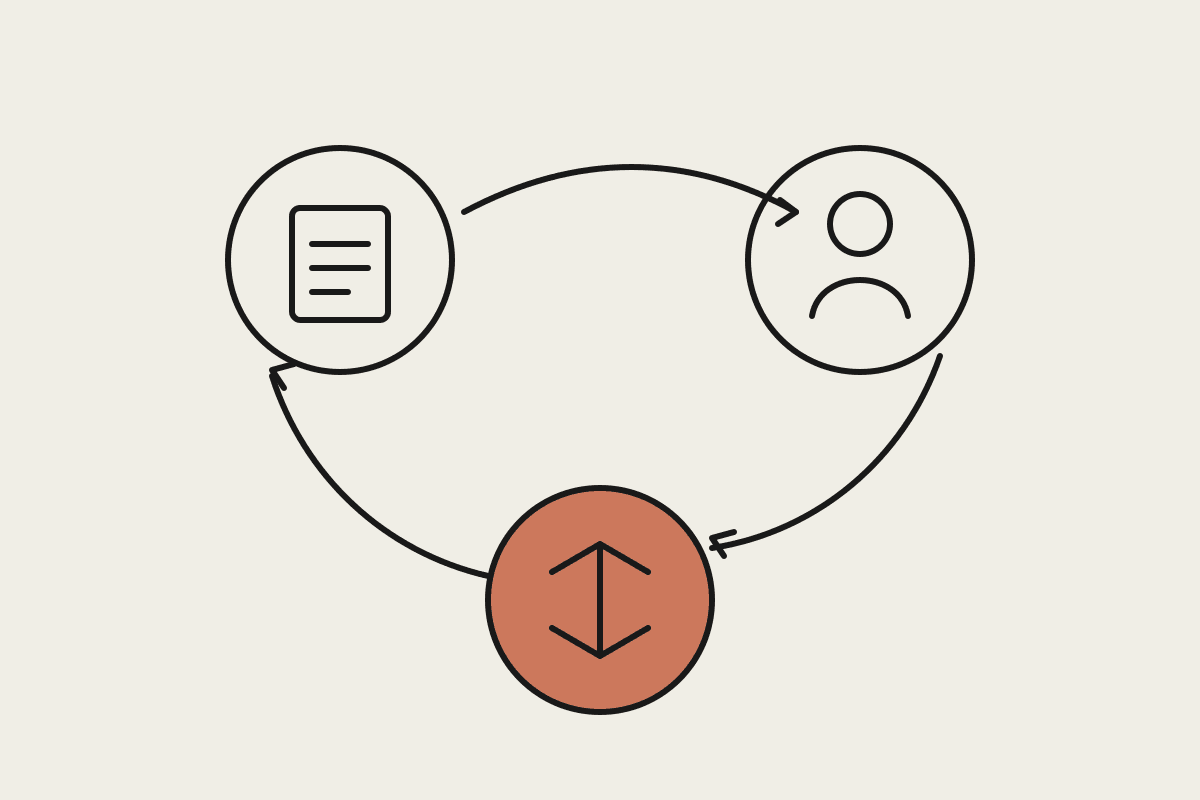
Used this way, the tool shifts your effort from producing words to checking judgement, which is where an experienced grant writer adds the most value. The application still sounds like your organisation, because the evidence and the voice came from you.
Getting started without a big project
You do not need a new system to begin. Take one live application, paste the guidelines into Claude, and ask for the eligibility checklist. If that saves you twenty minutes, try the criterion-drafting step on the next round. Most Australian teams find their footing within two or three applications, and the habit of keeping a running project note pays for itself at acquittal time. If you would like help designing a repeatable grant workflow for your organisation, book a short conversation with our team and we will map it to the funders you actually apply to.