Most Australian medical centres do not have a rostering problem so much as a coordination problem. A practice manager juggling six or eight GPs, a couple of nurses and a reception team spends hours each week matching availability to demand, then spends the rest of the week telling everyone what changed. Claude, the AI assistant built by Anthropic, is well suited to the drafting and communication parts of that work, which is where the hours quietly disappear.
Where the rostering hours actually go
Before automating anything, it helps to name the tasks that eat a practice manager's time. In a typical week at a mid-sized Sydney clinic, the recurring load looks like this:
Collecting leave requests and availability from each doctor and turning them into a draft roster.
Rebuilding that draft every time someone swaps a shift or calls in sick.
Checking the roster against Medicare billing patterns so bulk-billing and private sessions are covered.
Writing the weekly email, the group-chat message and the individual reminders that tell staff what they are working.
Answering the follow-up questions that the roster email always generates.
None of that is clinical work, yet it can absorb eight to twelve hours a week. At a loaded practice-manager cost of roughly $65,000 a year, the coordination overhead alone is worth $12,000 to $18,000 annually before you count the reception time spent relaying messages. That is the budget most centres are quietly spending on copy, paste and chase.
Using Claude to draft rosters, not decide them
The safe way to bring AI into rostering is to keep the human in charge of the decision and hand the assistant the assembly. You give Claude the constraints in plain language, availability, minimum coverage per session and who is credentialed for what, and it returns a first-draft roster you can correct in minutes rather than build from a blank grid.
Because Claude works from the instructions you write, the rules stay yours. A practice can tell it that Dr Nguyen does not take Monday mornings, that there must always be two doctors on during the after-school rush and that a nurse must overlap every GP session. The draft respects those constraints, and when a shift falls through you describe the change and get a corrected roster back without rebuilding the week.
A worked example
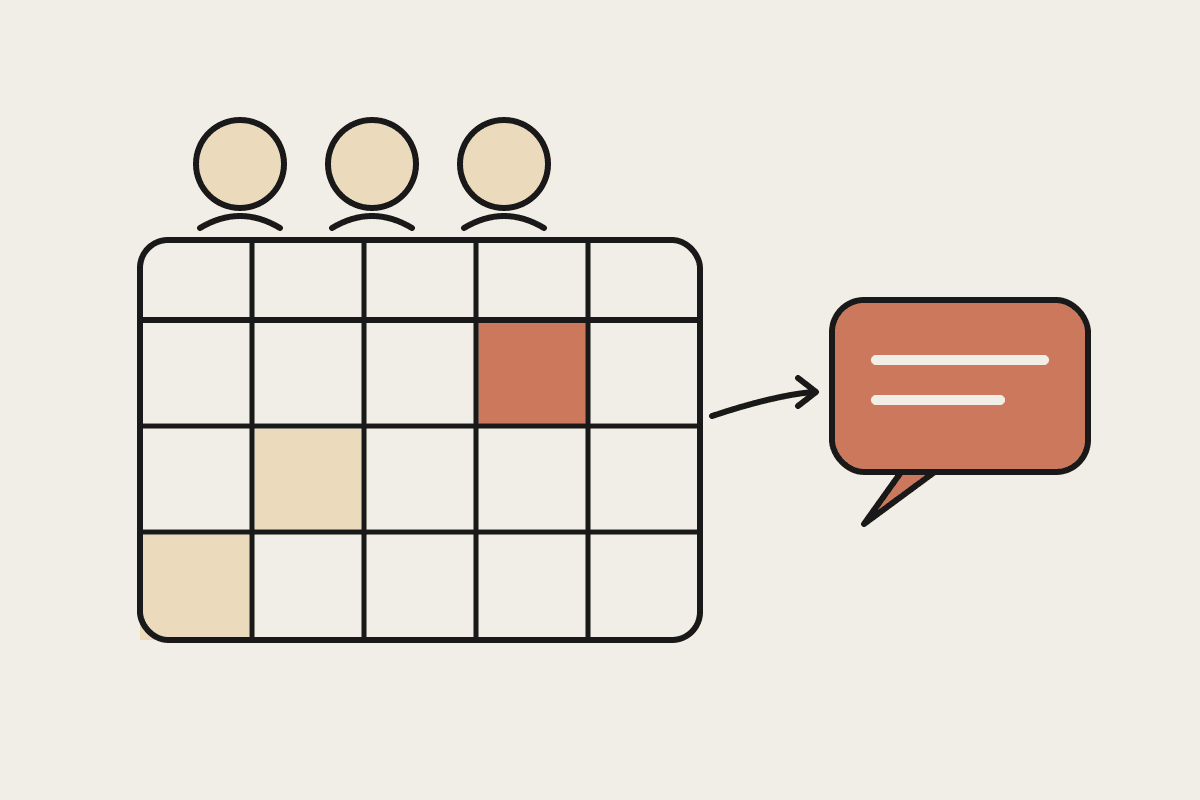
Say a GP calls in sick on a Tuesday. You tell Claude who is out and ask for options that keep coverage above the minimum. It might propose pulling a doctor from a lightly booked Thursday, flag that doing so leaves Thursday afternoon thin and draft the three messages needed to make the swap happen. You approve the plan or you do not, but you are editing a proposal instead of starting over.
Patient and staff communications without the copy-paste
The second half of the job is telling people. Claude is particularly good at turning one set of facts into the several messages a clinic needs, each pitched for its reader:
A clear weekly roster summary for the staff channel, with each person's shifts called out.
Short individual reminders for doctors who only want their own hours.
Patient-facing SMS and email drafts when a doctor's availability changes and appointments must move.
A recall message for patients due for a care-plan review or immunisation.
Each draft comes back in your practice's tone, ready to read and send. You are not writing from scratch and you are not sending anything the assistant composed without a person reading it first.
Keeping patient data inside the Privacy Act
Any tool that touches appointment and patient information has to respect the Privacy Act and the RACGP standards for handling health data. The practical guidance we give Australian medical centres is simple: keep identifiable patient detail out of the assistant wherever the task does not require it. Rostering rarely needs a patient's name, and a recall message can be drafted as a template that reception personalises at the point of sending.
Claude can do a great deal of useful work on de-identified inputs, session counts, shift patterns and appointment types, without ever seeing who the patient is. That keeps the sensitive data where it belongs, inside your practice software, and uses the assistant for the drafting and coordination around it.
A sensible first month
Start narrow. Pick the single most painful weekly task, usually the roster rebuild or the weekly staff message, and run it through Claude for a fortnight alongside your normal process. Compare the drafts to what you would have produced, tune the instructions, and only then widen to patient communications. A practice spending $1,800 a month on coordination it can halve will see the value inside the first cycle.
If you run a medical centre and want to see what this looks like on your actual roster and message templates, book a short brainstorm and we will map the first workflow with you.