Every Australian law firm has felt the pull. A junior spends three hours pulling authorities on a point of contract law, and a partner wonders whether Claude could do the first pass in three minutes. The honest answer is that it can for some of the work, and that the rest of the work is exactly where firms get into trouble. This is a practical map of where Claude speeds up legal research and where handing it the wheel puts a practising certificate at risk.
Where Claude earns its place
Claude is strong at the parts of legal research that are really reading and synthesis at speed. Give it the material and a clear question, and it will summarise, compare, and draft faster than any human can, without inventing the source, because the source is sitting in front of it. The tasks it handles well share one trait: the firm supplies the documents.
Summarising a long judgment or a 90-page contract into the three points that matter for your matter, with pinpoint references you can check.
Comparing two or more documents, for example spotting where a counterparty's amended terms differ from your standard form.
First-draft memos and file notes built from material you supply, so the lawyer edits rather than starts from a blank page.
Explaining an unfamiliar area of law in plain language before you go to the primary sources, so you read them with sharper questions.
Building chronologies and issue lists from a discovery bundle you have already collected.
The common thread is that Claude works on documents you give it. When the firm controls the inputs, the tool is fast and the risk stays low. This is where most of the time savings live, and where a careful practice should start.
Where it gets dangerous
The danger starts the moment you ask Claude to tell you what the law is, rather than to read the law you have handed it. Asked for authorities from memory, a language model can produce citations that look perfect and do not exist. Case name, court, year, and a plausible holding, all fabricated. This is not a rare glitch. It is a predictable failure mode, and it has already reached the courts.
In Australia and overseas, practitioners have been referred to regulators and ordered to explain themselves after filing submissions that cited cases which were never decided. The cost is not hypothetical. A wasted-costs order, a referral to the Legal Services Commissioner, and the reputational hit of a published judgment naming your firm are all on the table. No time saving is worth that outcome.
Asking for case citations, section numbers, or quotations from memory. Treat any authority Claude produces without a source document as unverified until you have read the original.
Relying on it for the current state of the law. Models have a knowledge cut-off and do not know what changed last week in the Federal Court or a state Supreme Court.
Jurisdiction drift. A confident answer may be built on United States or United Kingdom law that simply does not apply in Australia.
Advice to a client that has not passed under a lawyer's eyes. Claude drafts; the admitted practitioner remains responsible for every word that leaves the firm.
A workflow that keeps you safe
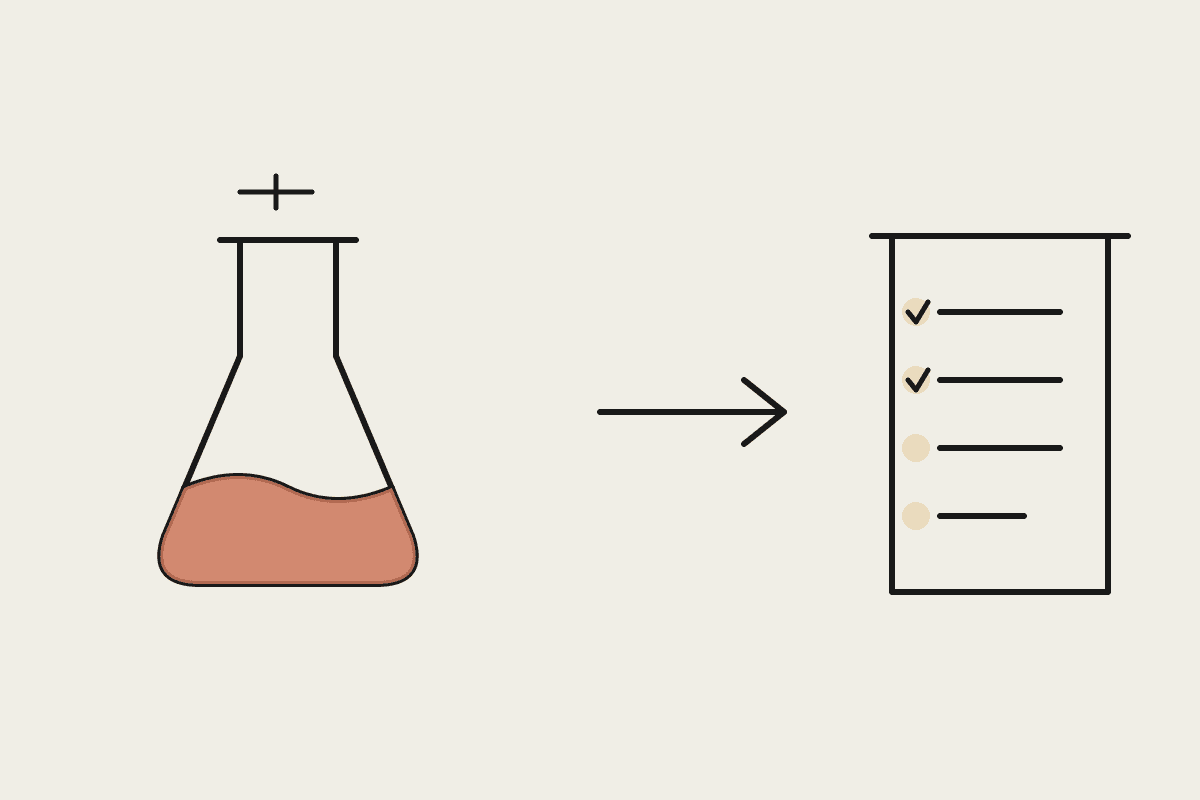
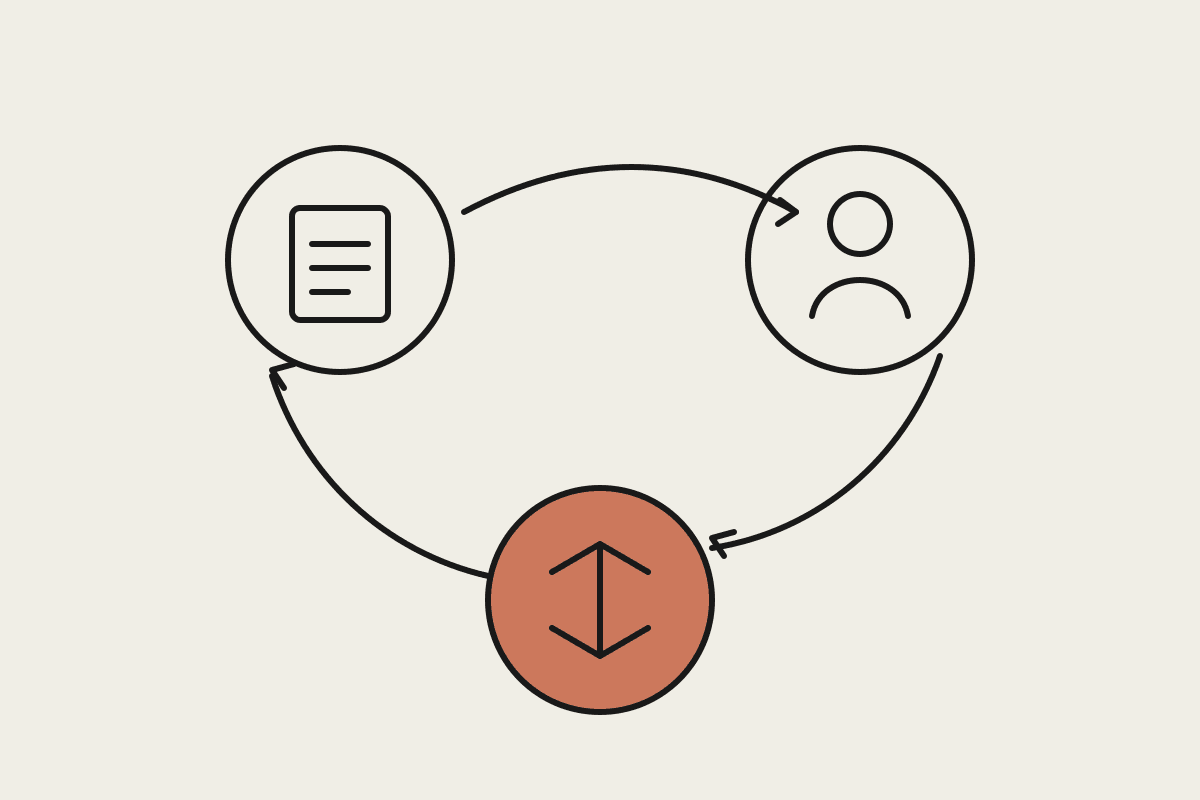
The firms getting real value are the ones that fixed the process before they scaled the tool. The rule is short: Claude reads, the lawyer verifies, and no unverified authority ever leaves the building.
Feed it sources, do not ask it to recall them. Upload the judgment, the legislation, the contract, then ask your question against that material.
Verify every pinpoint against the original before it goes into a document a client or a court will see.
Keep a human sign-off gate on anything client-facing, and record who signed off.
Run it behind your own security boundary so client material is handled under terms your firm has actually read, in line with your obligations under the Privacy Act and your professional conduct rules.
Train the team on the failure modes, not just the features, so a junior knows a clean-looking citation is the thing to distrust most.
What it costs, and what it saves
The maths is straightforward for a mid-sized Australian practice. A lawyer billing at $450 an hour who reclaims even five hours a week on first-pass research and summarising represents roughly $120,000 a year in recovered capacity, and that is before you count the matters that turn around faster. A Claude deployment for a small firm runs a tiny fraction of that figure. The point is not the licence cost. The point is that the same tool, used the wrong way, can cost you a $60,000 wasted-costs order and a regulator's attention. The upside and the downside both live in how you use it, not in the tool itself.
Legal research is one of the clearest cases where Claude is genuinely useful and genuinely hazardous at the same time, and the difference is entirely process. Get the workflow right and an Australian firm gains real hours every week with its exposure controlled. Get it wrong and one fabricated citation can undo the lot. If you want help drawing that line for your practice, book a brainstorm and we will map a safe legal-research workflow around how your firm actually works.