Most stories about AI automation are about knowledge work: drafting, coding, summarising. Anthropic's new case study with UST points somewhere harder. It is about putting Claude into the engineering processes that produce physical things, from chips to cars to connected devices. For any Australian business whose product has to be manufactured rather than simply shipped as software, that is a useful signal about where an AI agent actually earns its place.
What 'physical AI' actually means here
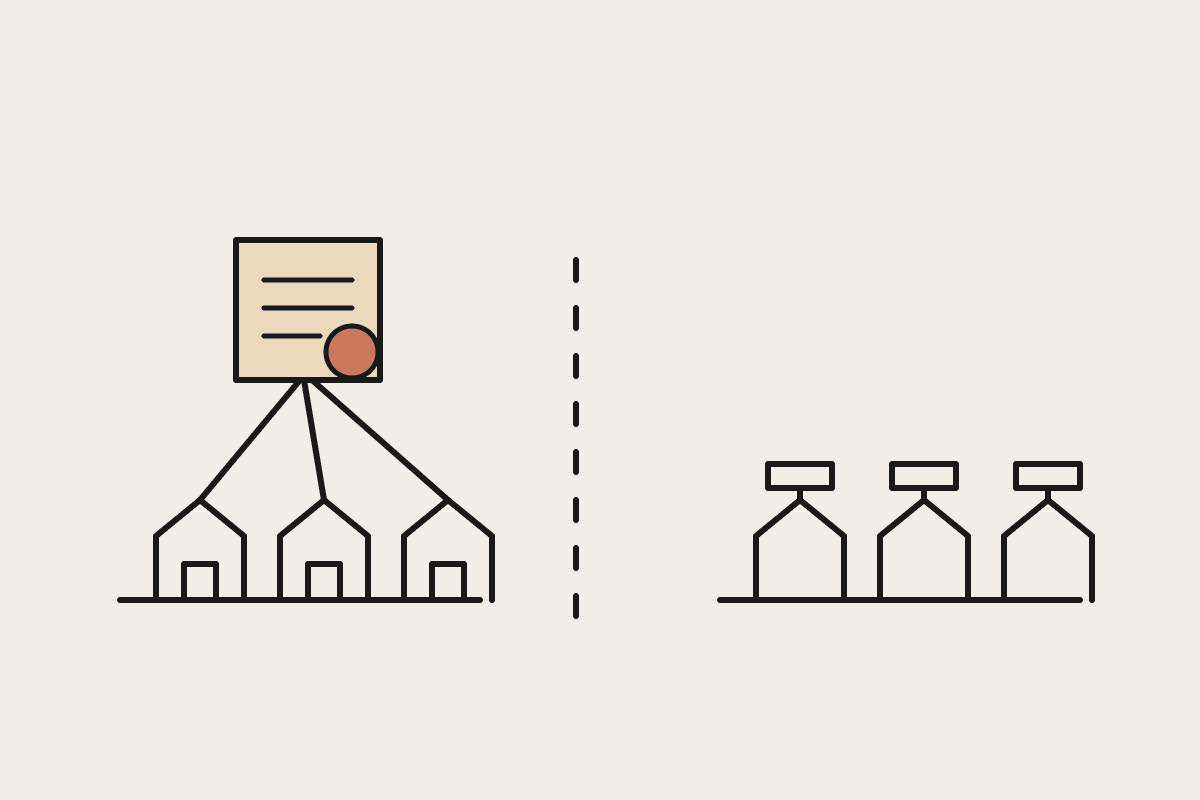
Before a factory commits to manufacturing millions of chips, engineers stress-test the design in the fab. Before a product ships, a fault on the assembly line has to be caught before it turns into a recall. UST is a technology and engineering services company that builds and runs the engineering environments its clients rely on to get chips, cars and connected devices to market. According to the case study, it is now putting Claude to work inside those environments and training 20,000 of its engineers, architects and consultants on Claude worldwide.
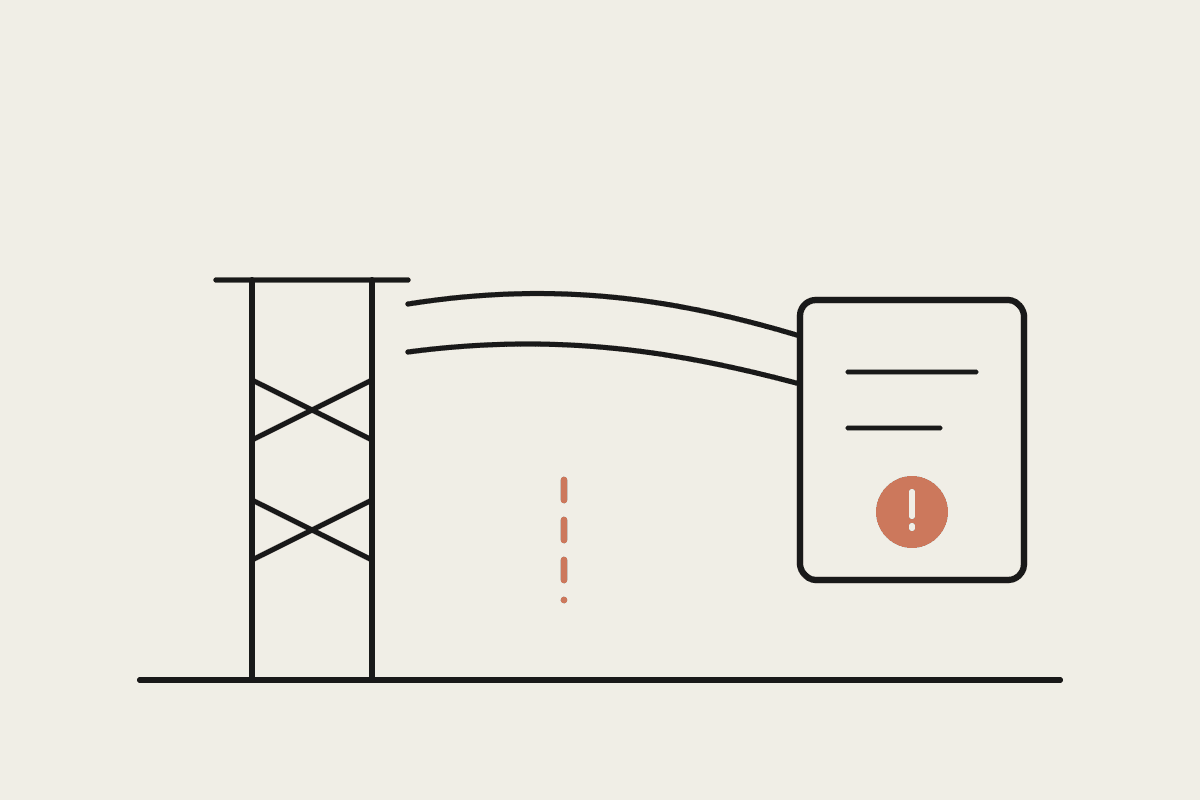
These are long, multi-step processes where an early mistake gets more expensive with every step that follows. A design flaw caught during verification costs an engineer an afternoon. The same flaw caught after a factory has committed to a production run costs far more. That asymmetry, cheap to catch early and ruinous to catch late, is exactly where a reliable agent earns its keep.
Where Claude sits in the workflow
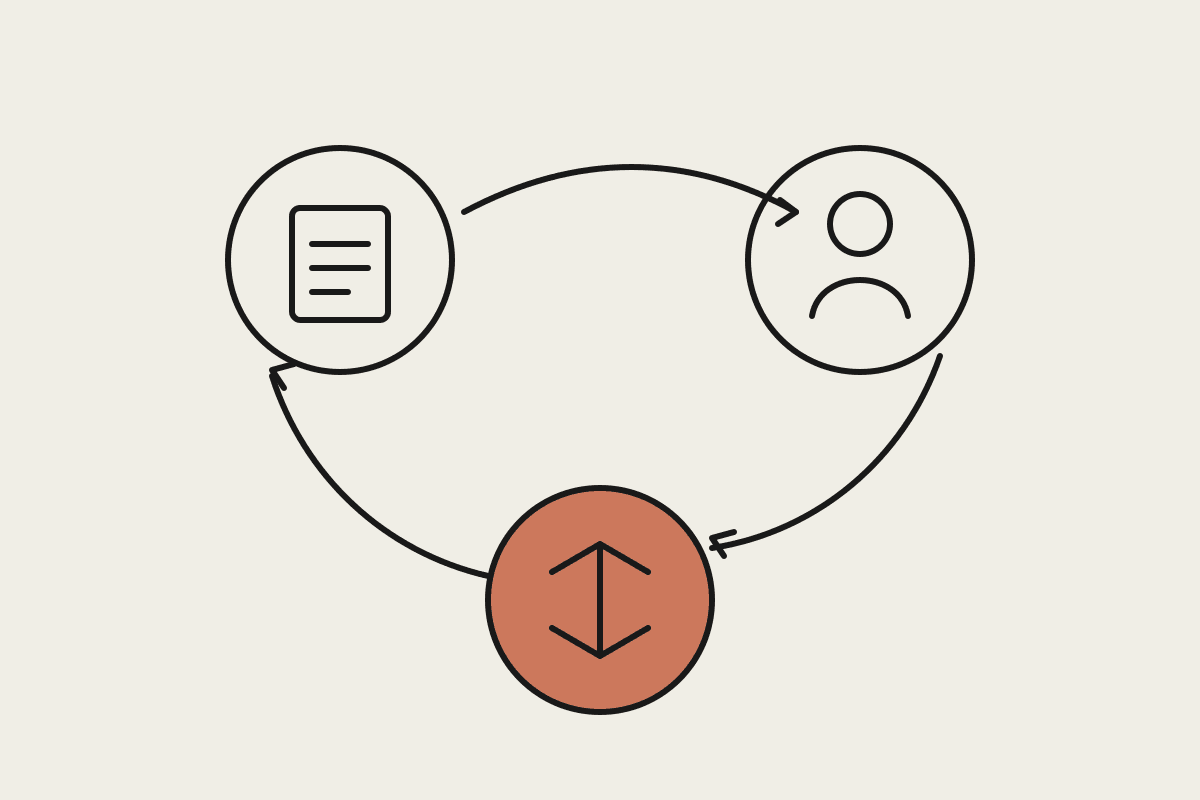
Per the case study, Claude Code reads the schematics and pinouts an engineer works from, then writes and runs the tests that check the design, carrying the task across many steps and holding context the whole way. This is not a chatbot bolted onto the side of engineering. It is an agent doing verification work inside the toolchain, at the point where errors are cheapest to fix. The distinction matters, because it changes where the value shows up. A chatbot saves a few minutes on a question. An agent embedded in verification stops a mistake from ever reaching the factory floor. For a manufacturer, that is the difference between an assistant and a coworker: one answers when it is asked, the other quietly does the checking work a busy team never finds the time to finish.
The cost asymmetry, in Australian dollars
Put rough numbers on it. Suppose a verification engineer at a Sydney hardware firm costs about $120 an hour once you load in overheads. A flaw caught during design review might cost half a day of their time, call it $500. The same flaw caught after tooling and a first production run have been committed can easily reach $45,000 once you count scrapped materials, machine time and rework, and a defect that reaches customers can push a recall well past $250,000. The exact figures will differ for every business. The point is the shape of the curve: the cost of a mistake climbs steeply the later you find it.
That shape tells you where to point a reliable agent first. The strongest early candidates are the expensive-to-fix, multi-step processes buried in operations, not the customer-facing chat box:
Design verification and automated test generation, where an agent can hold the full specification in context and check it against the design.
Quality control and defect triage on the line, where fast, consistent checks stop a bad batch before it grows.
Compliance and safety documentation, where a missed clause is cheap to fix on the page and costly to fix in the field.
Supplier and bill-of-materials reconciliation, where a single mismatched part number can stall an entire build.
What Australian manufacturers should take from it
The lesson is not to buy the same thing UST bought. It is that the highest-value place to deploy Claude is usually the process where an early mistake compounds, not the shiny customer-facing feature. Australian manufacturers in food, metals, defence supply chain and connected devices all run processes like this, and most have never mapped them with automation in mind. Start there. Find the step where catching a problem an hour earlier saves you a week later, then put a reliable agent with clear guardrails at that step.
A sensible first project is small and measurable. Pick one verification or quality step. Keep a person reviewing every output at the start. Track how often the agent catches something a human would have missed, and how often it is wrong. Tighten the guardrails as the evidence comes in. Measure the pilot against a number you already track, such as scrap rate or first-pass yield, so the result is a business figure and not a hunch. A Melbourne engineering firm that runs this as a four-week trial will learn more about where Claude fits than any vendor demonstration can tell it.
If you want help finding the expensive-to-fix step in your own operations, and deciding whether a Claude agent belongs there, book a brainstorm with Automata AI.