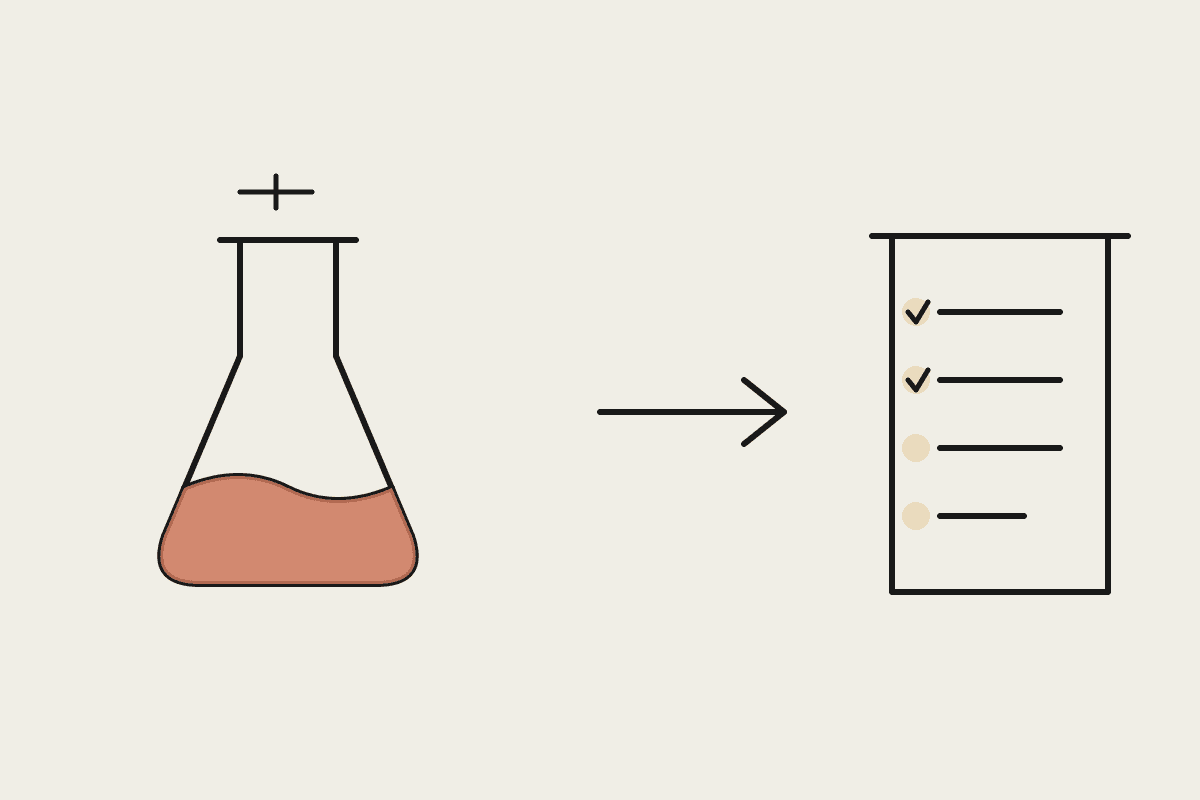
For an occupational health clinic, the medical assessment is rarely the slow part. A nurse or doctor can work through a pre-employment medical, spirometry, audiometry and a drug screen inside an hour. The delay that frustrates employer clients comes afterward, when all of that data has to become a clear, defensible fit-for-duty report that a hiring manager can act on. That writeup, and the admin around it, is where days quietly disappear.
Claude, the AI assistant built by Anthropic, is well suited to this exact gap. It reads structured and unstructured clinical inputs, drafts the report in your clinic's format, and holds a consistent standard across every assessor. Australian providers we work with treat it as a fast first-drafter that a clinician reviews and signs, not as a stand-in for clinical judgement.
Where the time actually goes
If you map a single pre-employment medical from booking to delivered report, the clinical minutes are a small slice. The rest is coordination and writing:
Collecting results from separate devices and forms (audiometry, spirometry, vision, drug screen, functional assessment) into one place.
Cross-checking the candidate's declared history against the day's findings.
Writing the narrative report in the format each employer client expects.
Translating clinical findings into a plain fit-for-duty outcome the hiring manager understands.
Flagging anything that needs a doctor's second look before the report leaves the building.
None of this is hard. It is repetitive, easy to get slightly wrong under time pressure, and it scales badly. A clinic running 25 medicals a day can lose a full-time-equivalent to report writing and chasing missing pieces.
What Claude does with a pre-employment medical file
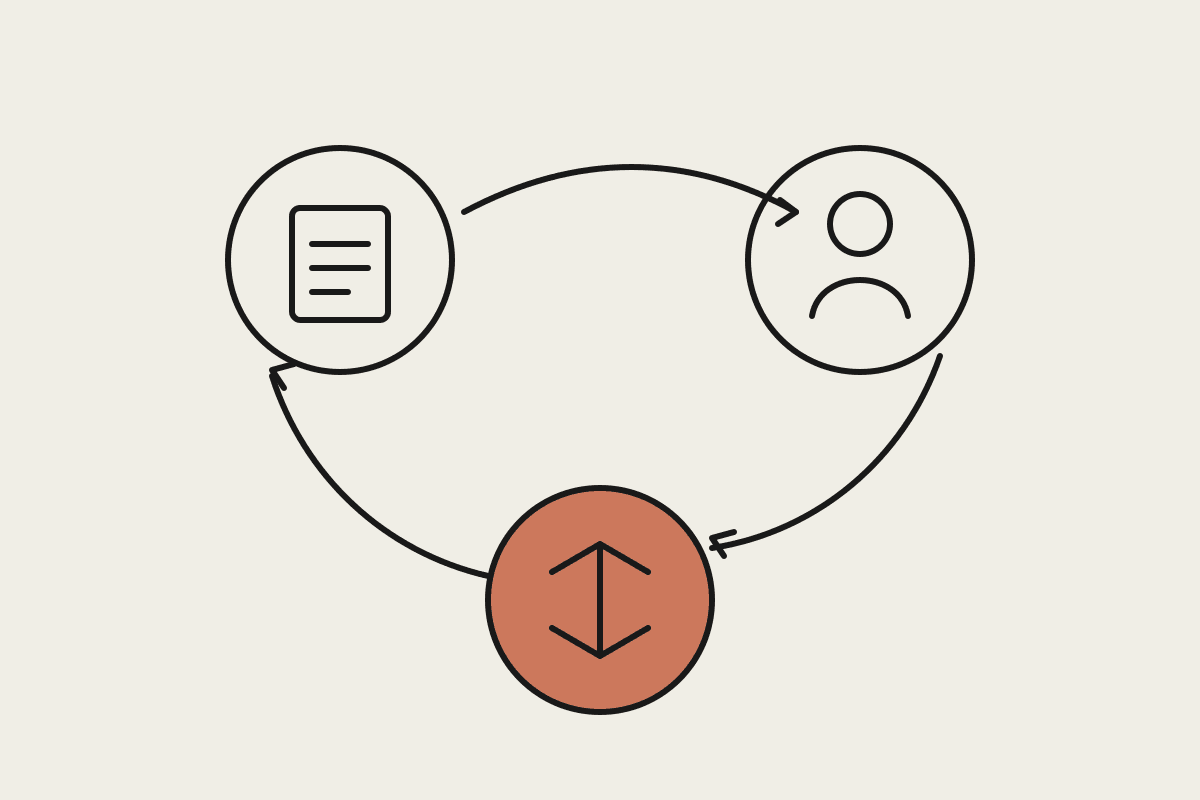
Give Claude the assessment inputs and your report template, and it produces a structured draft in minutes. A typical setup covers three jobs.
Drafting the report. Claude turns the raw findings into your standard narrative, using the same headings, tone and fit-for-duty language every time, so a report from your Sydney site reads the same as one written at a regional clinic on a busy afternoon.
Consistency across assessors. A new graduate nurse and a senior occupational physician end up producing reports that match your house standard. That cuts the back-and-forth when an employer queries wording, and it protects your clinic's reputation for reports that read the same way every time.
Flagging for review. Claude can surface results that sit outside expected ranges, such as a hearing threshold shift measured against AS/NZS 1269 baselines, and mark them clearly for the doctor rather than leaving them buried in a paragraph of prose.
The setup does not require ripping out your existing systems. Claude works from whatever you already produce, whether that is a scanned intake form, a PDF export from an audiometry booth, or notes typed straight into your practice software. The point is to remove the retyping and reformatting between the assessment finishing and the report being ready, so the clinician's attention stays on the parts that actually need a person.
A realistic turnaround example
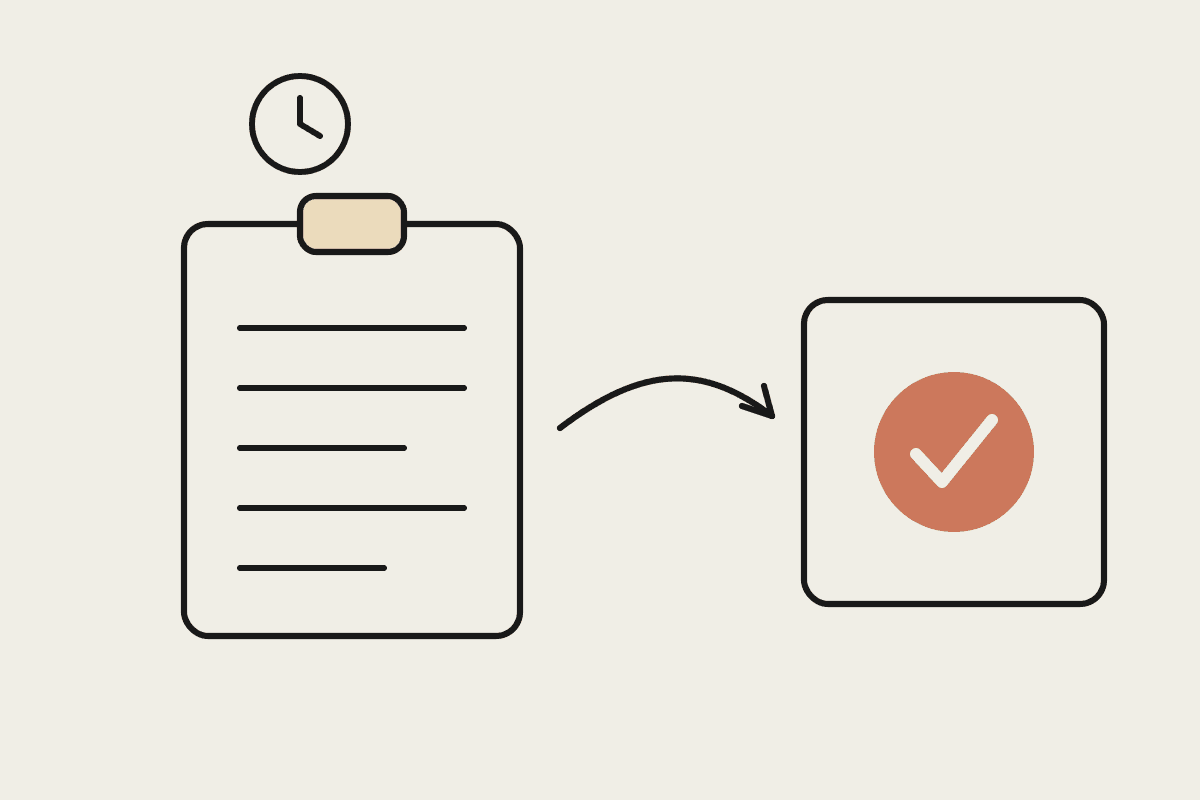
Take a labour-hire client placing a worker on a mine site. The placement is worth roughly $180,000 in billed hours over the contract, and it cannot start until the pre-employment medical clears. Under a manual process the assessment happens on Monday and the written report lands on Wednesday or Thursday, because it sits in a queue behind twenty others. With Claude drafting the report the same afternoon, the clinician reviews and signs it within the hour, and the candidate is cleared to start the next morning.
Multiply that across a clinic. If report writing drops from an average of two days to same-day, and each medical is billed at $150 to $350, the limit on how many assessments you can take on stops being the writeup and goes back to clinical capacity, which is where it belongs. One provider estimated that recovering this admin time was worth about $60,000 a year, before counting the contracts saved by faster clearances.
Keeping it compliant and safe
Pre-employment medical data is sensitive health information, and Australian occupational health providers sit squarely under the Privacy Act 1988 and its Australian Privacy Principles. Two rules keep this safe. First, a qualified clinician reviews and signs every report before it leaves the clinic. Claude drafts, a human decides. Second, the way health data is handled and stored has to meet your existing privacy obligations, which is a setup decision we work through with you rather than an afterthought bolted on later.
It also helps that every draft leaves a trail. You can see what Claude was given, what it produced, and what the clinician changed before signing, which is exactly the kind of record that stands up when an employer or a regulator asks how a fit-for-duty decision was reached.
Done properly, the clinician spends their time on the judgement calls that need a person and far less on formatting and retyping. The report reaches the employer faster, the candidate starts sooner, and your clinic's name goes on work that reads consistently every time.
If you run an occupational health service and report turnaround is capping how much work you can take on, we can map where the time goes and show you a working draft on your own template. You can book a short call to talk it through.