Every public relations agency runs on two documents almost nobody enjoys producing: the media list and the coverage report. One decides whether a campaign reaches the right journalists. The other proves to the client that it worked. Both are quietly expensive, because both are built by hand, over and over, by the people whose time you most want spent on strategy and pitching.
Claude changes the economics of that grunt work without taking the judgement out of it. Used carefully, it turns a two-hour list-build into twenty minutes of review, and a Friday-afternoon reporting scramble into a first draft that is ready before the account manager finishes their coffee. Here is where it fits, and where it should not.
The two jobs that quietly drain agency margin
A media list looks simple until you build one. You are matching a client's story to outlets and journalists who actually cover that beat, in the right market, with recent and relevant work. A coverage report looks simple too, until you are pasting clip after clip into a deck, tallying reach, reading sentiment, and writing a narrative that a client will actually read.
For a typical Australian agency, the hours land in predictable places:
Reading the brief and translating it into pitch angles and target beats
Finding journalists who cover those beats and confirming they are still at the outlet
Formatting the list so it is usable by the account team, not just the person who built it
Collecting clips across print, online, broadcast and social after a campaign lands
Summarising each piece, tagging sentiment, and estimating reach
Writing the report narrative that ties results back to the client's objectives
None of it is hard. All of it is slow. And slow, billed at agency rates, is where margin goes to die.
Building media lists with Claude
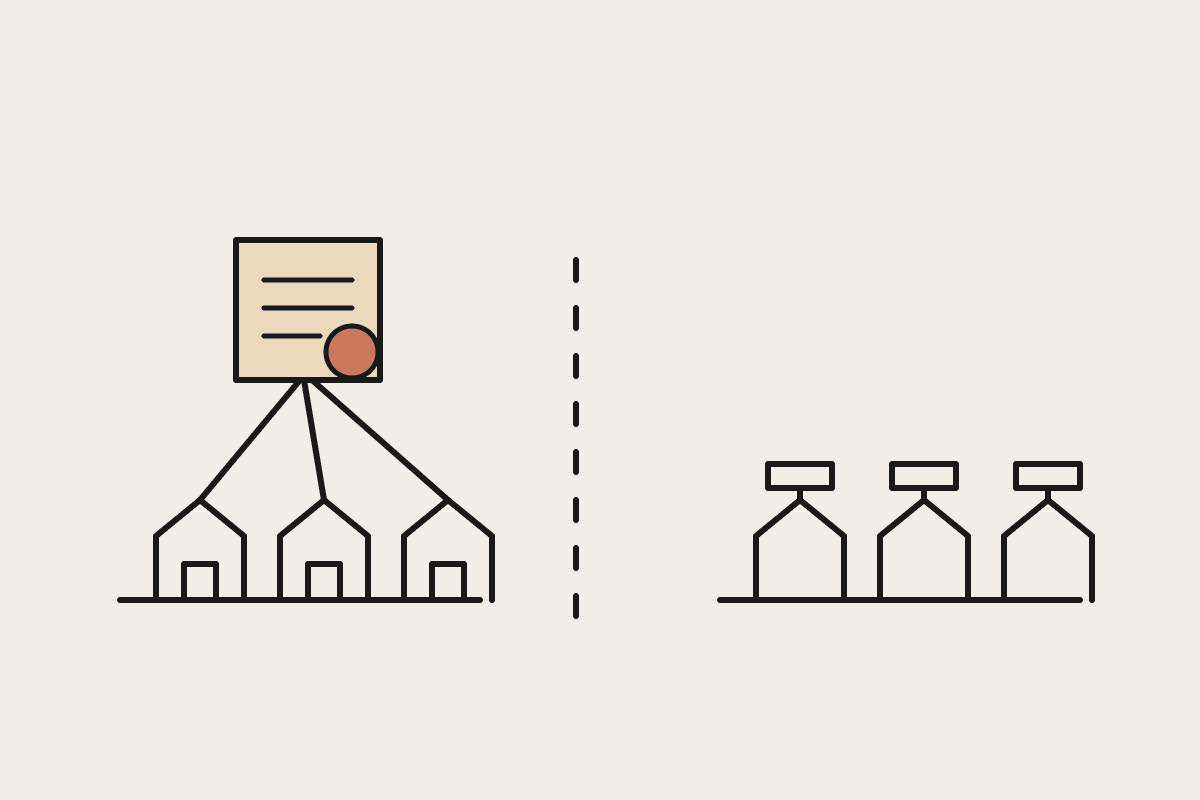
Claude is strong at the reasoning layer of list-building: reading a brief, proposing angles, and grouping target outlets by beat and market. Give it the campaign background and the audience you want to reach, and it will draft a structured target list with a suggested angle for each cluster of outlets. It is genuinely good at spotting the story hooks a rushed account executive might miss.
A sensible division of labour looks like this:
Claude drafts angles and groups target outlets by beat, region and audience
Claude writes a tailored pitch note for each cluster, in the client's tone
Your team verifies every journalist name, current outlet and contact detail against a live source
Your team makes the final call on who is worth the pitch and who is not
That last point matters. Claude does not have a live, verified contacts database, and it should never be asked to invent journalist email addresses or phone numbers. Treat it as the analyst that shapes the list, not the source of truth for who to contact. The verification step stays human, and stays non-negotiable.
Turning clips into coverage reports
Coverage reporting is where the time saving is most obvious. Paste in the article text or a set of clips, and Claude will summarise each piece, note the key messages that landed, flag the tone, and draft a plain-English narrative of how the campaign performed. It can organise results by outlet tier, by message, or by phase of the campaign, whichever way the client likes to read them.
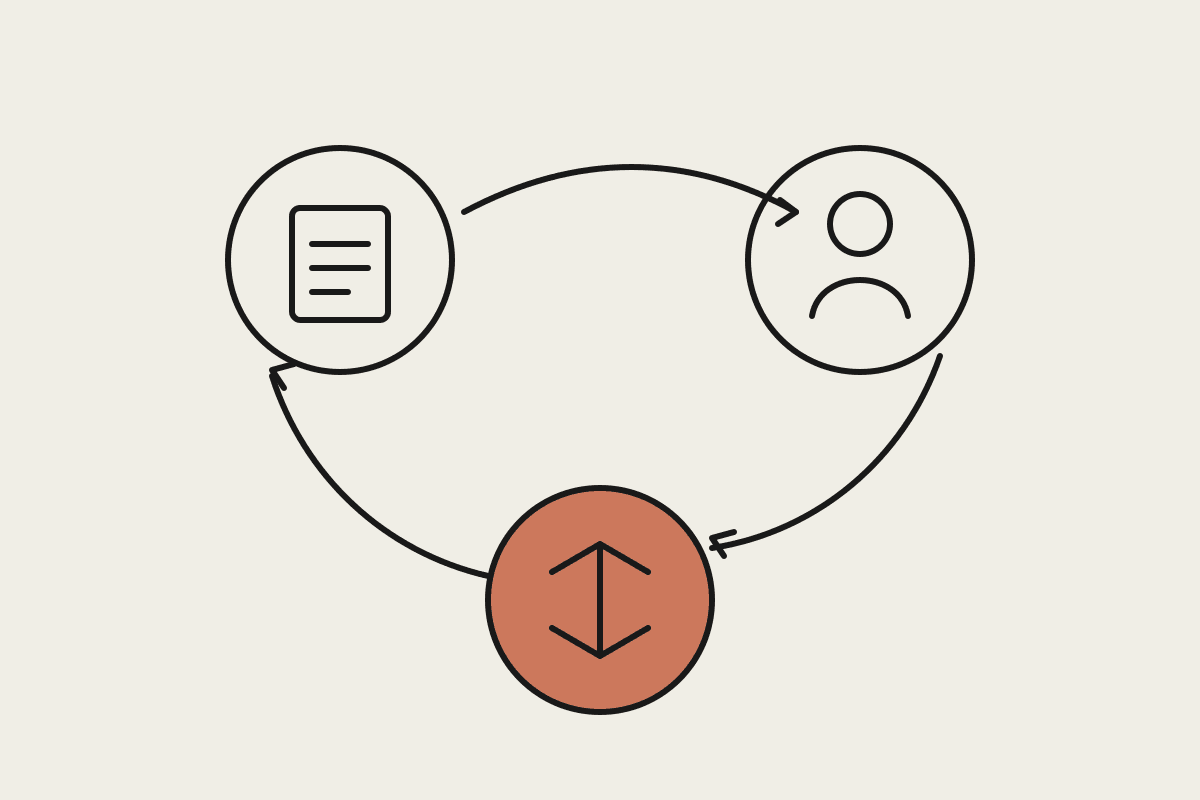
What you get back is a first draft, not a final report. A senior person still reads it, checks the reach figures against the source data, corrects any sentiment call that reads too generously, and adds the strategic commentary that clients actually pay for. The work shifts from assembling the report to sharpening it.
The guardrails that keep this safe
PR agencies handle embargoed announcements, client commercial information and, sometimes, personal data about spokespeople and journalists. Under the Privacy Act, an agency is responsible for how that information is handled, so a few rules keep this tidy:
Never paste embargoed or client-confidential material into a tool without checking the client agreement first
Do not treat any journalist contact detail Claude produces as verified; confirm it independently
Keep a human sign-off on every list and every report before it reaches a client
Be clear internally about which model and account you are using, so client data does not go to the wrong place
Handled this way, Claude sits inside your existing process rather than around it. The judgement, the relationships and the accountability stay with your people. The typing does not.
The AUD maths for a small agency
Consider a five-person Sydney agency. If each account person spends six hours a week on list-building and coverage reporting, that is thirty hours a week of hands-on-keyboard work. Loaded at a conservative internal cost, an agency can burn through the equivalent of A$45,000 a year on these two documents alone, before a single strategic idea is generated.
Cutting that effort by half to two-thirds, which is realistic once the workflow is set up, frees roughly A$25,000 to A$30,000 of capacity a year. In a small agency, that is not a cost line you delete; it is time you redirect into pitching, into new business, or into doing better work on the accounts you already hold.
Where to start
Pick one live campaign and run both documents through Claude as a test: build the target list with it, then, after the campaign lands, draft the coverage report with it. Keep your usual human checks in place and compare the hours against your last manual effort. Most agencies see the case for themselves within a fortnight.
If you would like help setting this up properly, with the guardrails and templates that fit an Australian agency, book a short call and we will map it to how your team already works.