Ask any crew running gas, water, electricity or telecommunications assets across Australia what eats their evenings, and the answer is rarely the physical work. It is the paperwork that follows. A day of pit inspections, cable pulls or meter changeovers ends with hours of field reporting: defect notes, asset condition records, safe work method statements, and the sign-offs that network operators demand before they will pay an invoice.
Claude, the AI assistant built by Anthropic, is well suited to this exact problem. Not to replace the qualified judgement of a field technician, but to take the messy raw material a crew already captures and turn it into the structured, compliant reports that asset owners accept the first time.
The reporting load utilities contractors carry
Field reporting in the utilities sector is heavier than in most trades because a contractor is usually reporting into someone else's compliance regime. An accredited service provider working on a distribution network answers to the network operator's standards. A crew doing water main renewals answers to the local water authority. Every job generates a paper trail that has to survive an audit years later.
The document types stack up quickly across a typical week:
Safe Work Method Statements and Job Safety Analyses, referenced against the relevant WHS regulations and AS/NZS standards
Asset condition reports with photos, measurements and defect classifications
As-built and variation records when the work deviates from the design pack
Environmental and traffic management compliance notes for works in the road corridor
Network operator sign-off forms that gate payment on completed jobs
Each of these has its own template, its own mandatory fields, and its own tolerance for vague language. A defect described as "looks a bit worn" gets bounced back. A defect described against the operator's condition-grading scale gets accepted. The gap between those two sentences is often an hour of a supervisor's time per report.
Where Claude fits in the field workflow
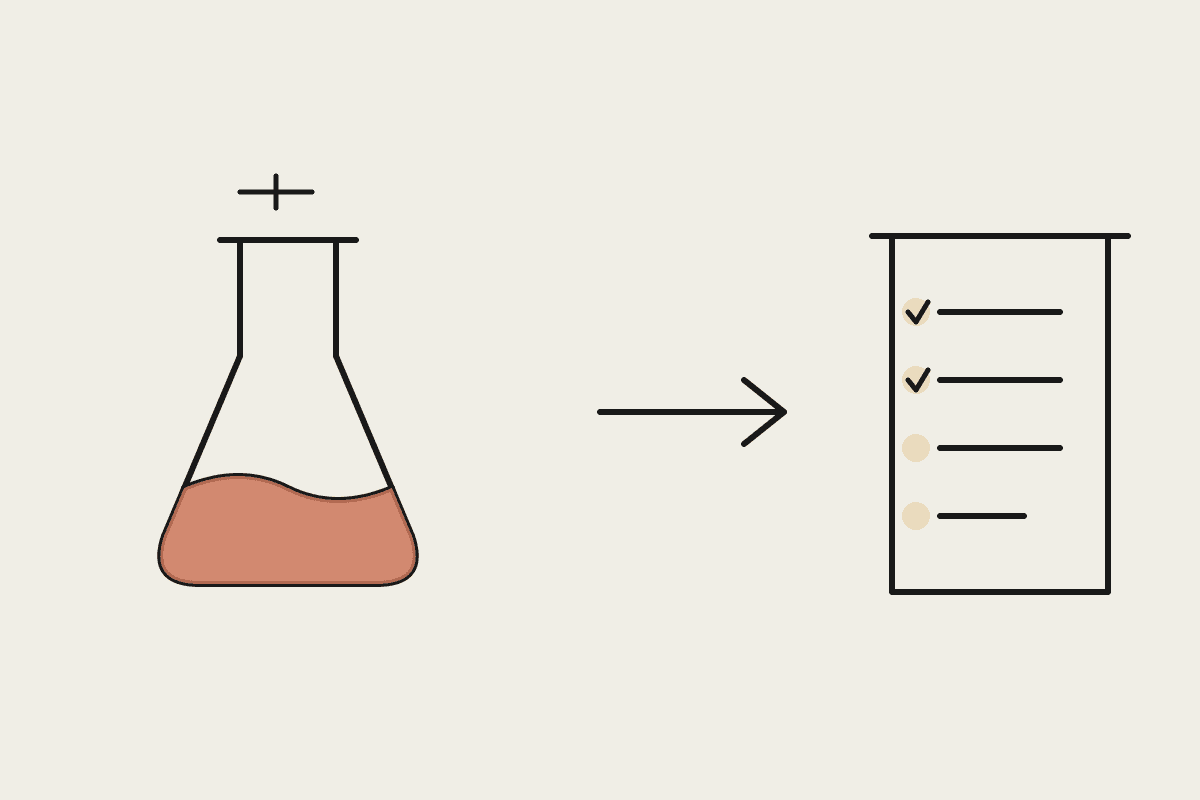
The practical entry point is the handover between what a technician captures on site and what the office needs to file. Crews already record plenty: voice notes on the drive back, photos on a phone, a few lines typed into a job app, hand-scrawled measurements. The problem is that raw material is unstructured, and turning it into a compliant report is slow, repetitive work.
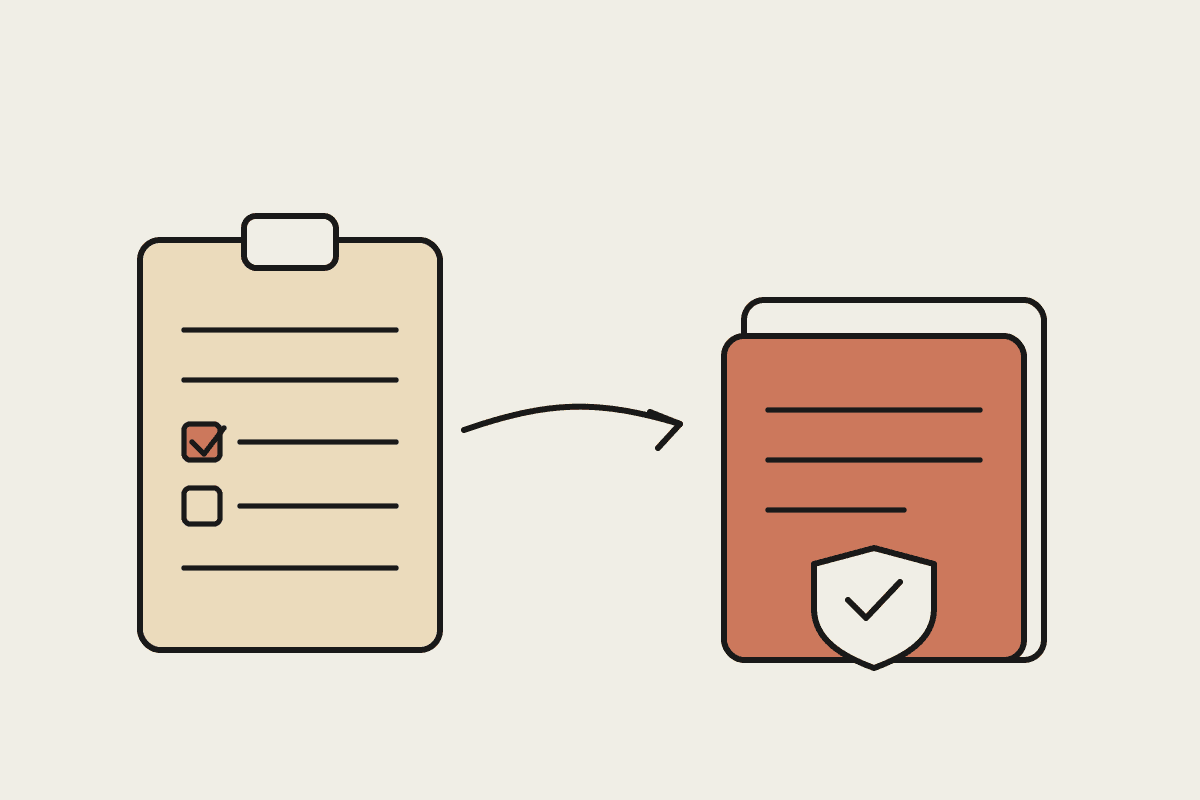
Claude can read that raw input and draft the structured report against your template. A technician dictates thirty seconds about a cracked pit lid, the depth reading, and the temporary make-safe applied. Claude returns a defect entry written in the operator's grading language, with the mandatory fields populated and the safety action recorded. The technician checks it, corrects anything wrong, and moves on. The judgement stays human. The typing does not.
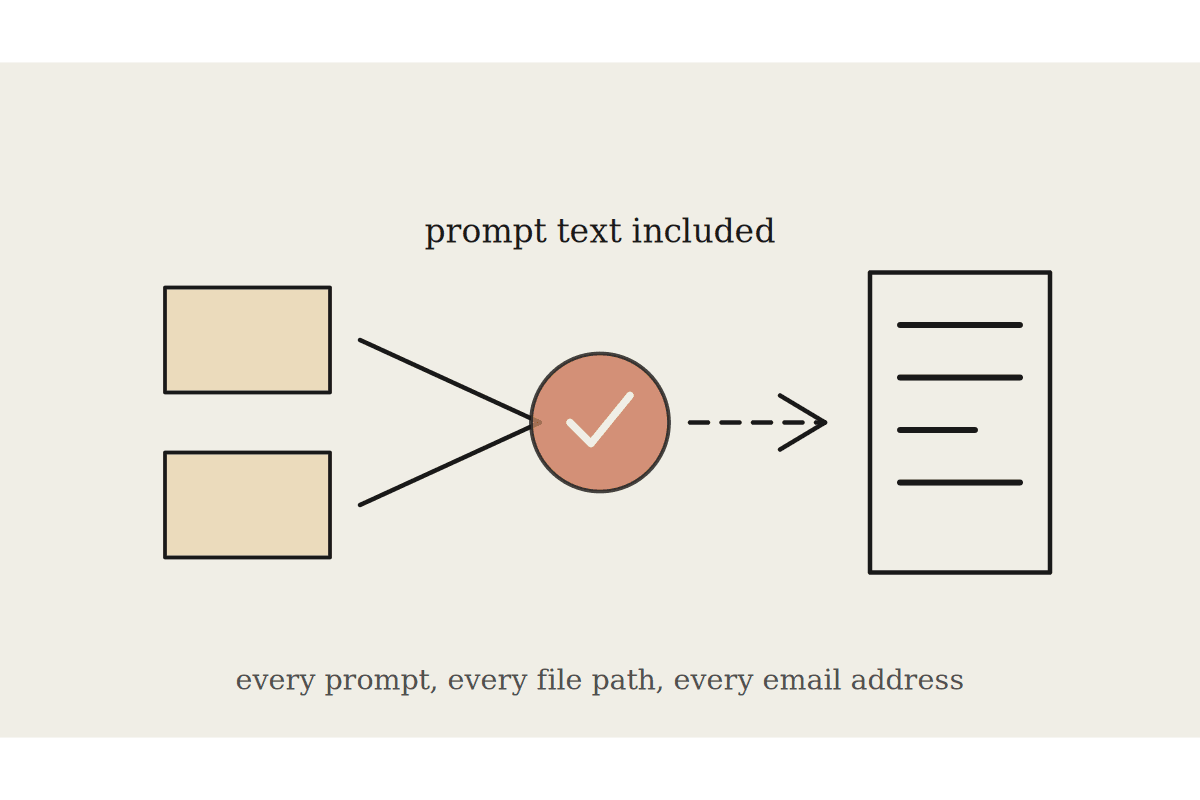
Because Claude works from your actual templates and standards rather than a generic format, the output matches what the asset owner expects. You can give it the operator's condition-grading definitions, your standard defect categories, and examples of reports that were accepted, so the drafts land inside the lines from the start.
The AUD maths on a single crew
The case for this is not abstract. Take a two-person crew where the supervisor spends roughly ninety minutes a day cleaning up and completing field reports. At a loaded cost of around $120 an hour for that supervisor's time, that is about $180 a day, or close to $45,000 a year in report-writing overhead for one crew alone.
Cut that reporting time by half and you recover in the order of $22,000 a year per crew, before you count the softer wins: fewer reports bounced back by the network operator, faster invoice approval because the sign-off paperwork is complete on first submission, and less risk of a job being ruled non-compliant because a mandatory field was left blank. For a contractor running six crews, the arithmetic moves from a nuisance saving into real margin, in the range of $130,000 a year.
The number that usually matters most to a business owner in Sydney or Brisbane is not the hours, though. It is invoice velocity. When compliance paperwork is the thing holding up payment, tightening that step pulls cash forward across the whole book of work.
Keeping the compliance trail defensible
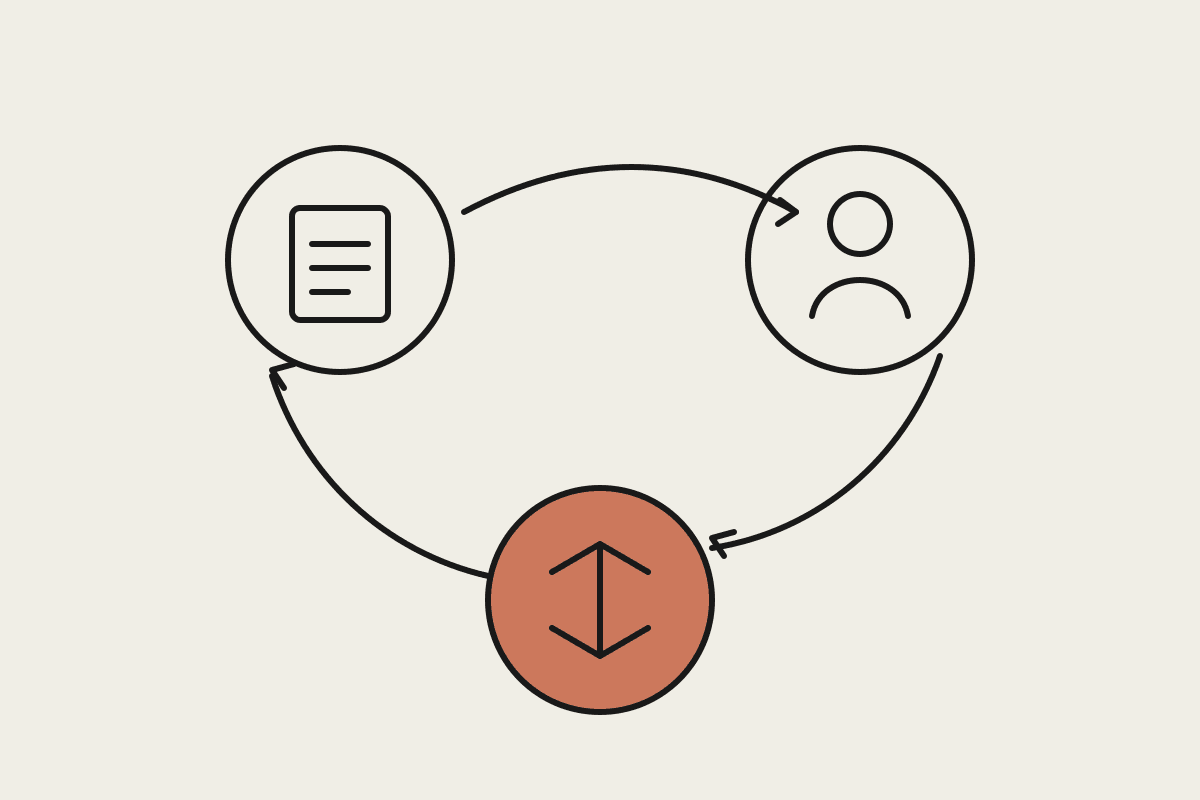
A fair question follows quickly: if AI drafts the report, is the record still defensible in an audit? The answer is yes, provided you treat Claude as a drafting aid rather than the author of record. The qualified technician still reviews and signs. The report still reflects their on-site judgement. Claude simply gets the words onto the page faster.
Two practical guardrails keep this clean. First, keep a human review step on every safety-critical report, so nothing reaches the asset owner without a competent person confirming it. Second, be deliberate about data. Field reports can contain personal information and location data that falls under the Privacy Act, so keep the handling inside tools your business controls and avoid pasting sensitive records into consumer chat apps. These are the same disciplines a well-run Australian contractor already applies to its records.
Getting started without ripping anything out
You do not need to replace your job management system or field app to benefit here. The fastest path is to pick the single most painful report type, the one that gets bounced back most often or takes longest to write, and build a tight drafting workflow around just that. Prove the time saving on one form, then extend to the next.
If you want a second set of eyes on where this fits in your particular reporting stack, that is the kind of scoping we do with Australian utilities and infrastructure contractors. You can book a short call with our team and we will map the one report type worth automating first.