Anthropic published a piece on 10 June 2026 making an argument that will sound familiar to anyone who has tried to ship an AI agent: the gap between a working prototype and a production system is not the prompt. It is the infrastructure around it. The post introduces Claude Managed Agents, a suite of composable APIs that pairs Anthropic's performance-tuned agent harness with hosting, session management and security infrastructure, so teams can go from prototype to launch in days rather than months.
We see this pattern constantly with Australian businesses. A developer builds a convincing agent demo in a week. Leadership approves the project. Then it sits in limbo for a quarter because nobody scoped the unglamorous work: where the agent runs, how it resumes after a failure, and what happens if it writes bad code inside a live system.
Why agent prototypes stall before production
The basic agent loop is genuinely easy now. Ask the model, run the tool it requests, feed back the result, repeat. Any competent developer can wire that up in an afternoon. Production is where five harder problems appear, and Anthropic's post names them well:
Hosting and scaling. A multi-hour agent process has to live somewhere that survives deploys, restarts and traffic spikes. A laptop or a single container does not qualify.
Session management. Real work gets interrupted. The agent needs to resume mid-task, and your team needs to inspect past runs when something goes wrong.
Workspace persistence. Agents produce files, notes and intermediate state. That workspace has to survive between runs, not vanish with the container.
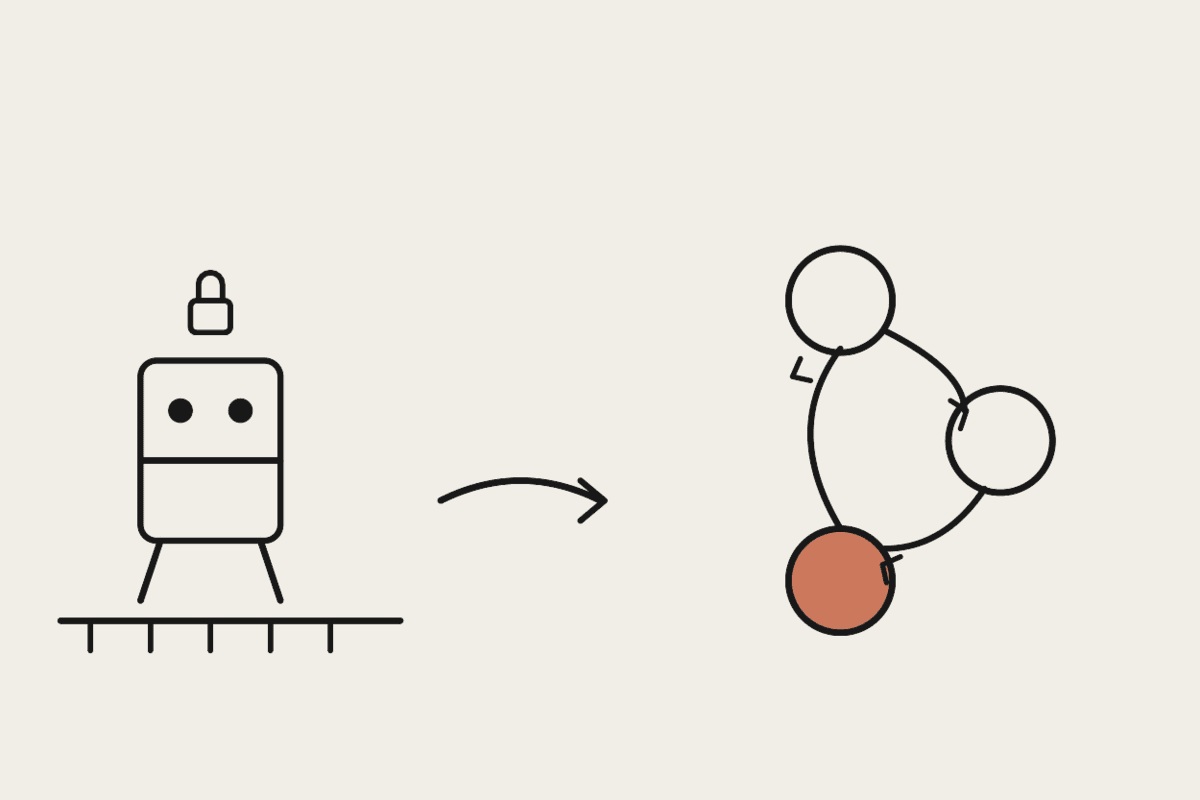
Execution isolation. Agents write and run code. You need a hard answer to the blast radius question before that code touches anything real.
Credential handling. The agent needs access to your systems without secrets sitting in a prompt or a log file.
None of these are impossible to build in-house. They are just expensive and slow. A mid-level engineer in Sydney costs around $130,000 a year, and we have watched teams spend three to four months of that person's time on agent plumbing before the agent did a single useful thing for the business. That is roughly $30,000 to $45,000 of salary spent on scaffolding, and the scaffolding still needs retuning every time the underlying model improves.
The four ways to run Claude, and when each fits
The post frames Managed Agents as the latest step in an evolution of agentic surfaces, and that framing doubles as a useful decision tree. There are now four distinct ways to put Claude to work, and choosing the wrong one is how projects blow out.
The raw API
Tokens in, tokens out. You build everything else. Still the right choice for single-turn work: summarise a document, classify a support ticket, rewrite a paragraph. If the task fits in one request and one response, you do not need an agent at all, and adding one only adds failure modes.
The Claude Agent SDK
The SDK exposes the same machinery that powers Claude Code: the loop, tool execution, subagents and context management. Pick this when you genuinely need a custom agent you own end to end, and you have the engineering capacity to host and operate it. You skip building the loop, but hosting, sessions, isolation and credentials remain your problem.
Claude Code
For interactive engineering work, Claude Code is the answer, and it needs no infrastructure decisions at all. A developer sits with it, supervises it, and ships. Most Australian software teams should be here long before they think about autonomous agents.
Claude Managed Agents
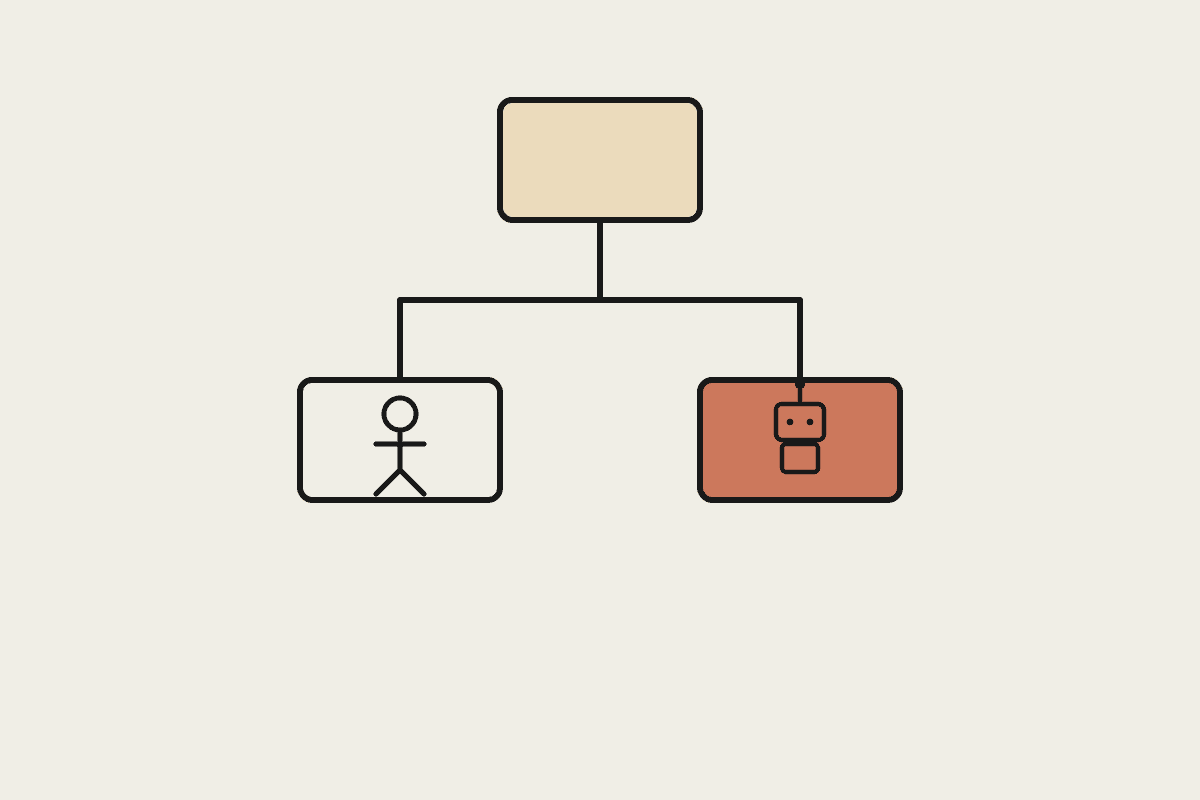
For predictable, repeating workloads where you want the production infrastructure handled, Managed Agents is the new default. The harness arrives tuned for Claude and keeps improving as Claude Code does, the five infrastructure problems above become Anthropic's job, and your team's job shrinks to defining the work and reviewing the output.
What this means for Australian businesses
The honest takeaway is that the infrastructure step, which is where most small and mid-sized agent projects die, just got dramatically cheaper. Before this, an Australian business that wanted an agent processing invoices overnight or triaging an inbox each morning needed either a platform team or a vendor contract. Now the build conversation starts at the workflow, not the hosting diagram.
There are still real questions to scope. Privacy Act obligations apply whenever customer data flows through any AI system, and APRA-regulated firms will want clear answers on data handling and isolation boundaries before anything autonomous touches production systems. Those answers exist, but someone has to do the work of mapping your obligations to the platform's controls rather than assuming a managed service makes the question disappear.
On budget, the shift is significant. An agent build that previously meant an $80,000 to $150,000 project with months of infrastructure work now looks more like a few weeks of workflow design, integration and testing. The expensive part becomes the thinking: which workflows are predictable enough to automate, what the agent is allowed to do without a human in the loop, and how you measure whether it is actually saving time.
How to choose your starting point
If you are deciding where your own project sits, the questions that matter are short:
Is the task single-turn? Use the API directly and stop there.
Is a human driving the work interactively? Claude Code, with no infrastructure required.
Do you need a fully custom agent and have the team to operate it? The Agent SDK.
Is the workload predictable and repeating, and do you want the infrastructure off your plate? Managed Agents.
Most businesses we talk to assume they need the third option and actually need the second or fourth. The instinct to build something custom is strong, but custom agents carry a permanent operations bill, and the prompt was never the hard part.
Automata AI designs and ships agent builds on these surfaces for Australian businesses, from the first workflow audit through to a production agent with guardrails in place. If you are weighing up where an agent fits in your operation, book a brainstorming session and we will map it with you.