Gemini 3.5 Flash arrived at Google I/O 2026 with strong agentic coding scores and a token price that makes finance teams smile. Claude Opus 4.7 still leads SWE-Bench Verified at 87.6 percent. Both numbers are real, and neither settles the question that matters: which model actually ships working code in your repository, on your tickets, with your team.
Google made a wave of announcements at I/O 2026, and the dust has settled enough to judge them honestly. Plenty of Australian engineering leads are now being asked whether the coding budget should move. This guide keeps it practical, with the trade offs that show up in a pull request queue rather than on a marketing slide.
What the benchmarks say
On paper the two models are close on agentic tasks and further apart on verified software engineering. SWE-Bench Verified asks a model to resolve real GitHub issues from popular open source projects, and Claude Opus 4.7's 87.6 percent is the strongest published result on that test. Gemini 3.5 Flash posts very high agentic and multimodal scores at a fraction of the per token cost, and raw speed near 289 tokens per second is genuinely useful for high volume work. The numbers are real, but they test narrow slices of what a developer actually does in a week.
Claude Opus 4.7 posts 87.6 percent on SWE-Bench Verified, the strongest published result
Gemini 3.5 Flash is faster and cheaper per token, with output speed near 289 tokens per second
Both clear most simple, single file tasks without trouble
What benchmarks miss
Real work involves vague tickets, legacy code and back and forth with reviewers. A benchmark hands the model a clean problem statement and a passing test suite to aim at. Your Tuesday hands it a two line ticket, a nine year old service nobody wants to touch, and a deadline. Reliability over a long session usually matters more than a single score, because the expensive failures are the confident wrong answers that burn a senior engineer's afternoon. The gap between the two models is widest exactly here, on long horizon work across many files, which is the work that decides whether a sprint lands.
Holding context across a large codebase, not a single file
Recovering gracefully when a first attempt is wrong
Following house style, commit conventions and review etiquette
Knowing when to stop and ask rather than guessing
A practical test for your team
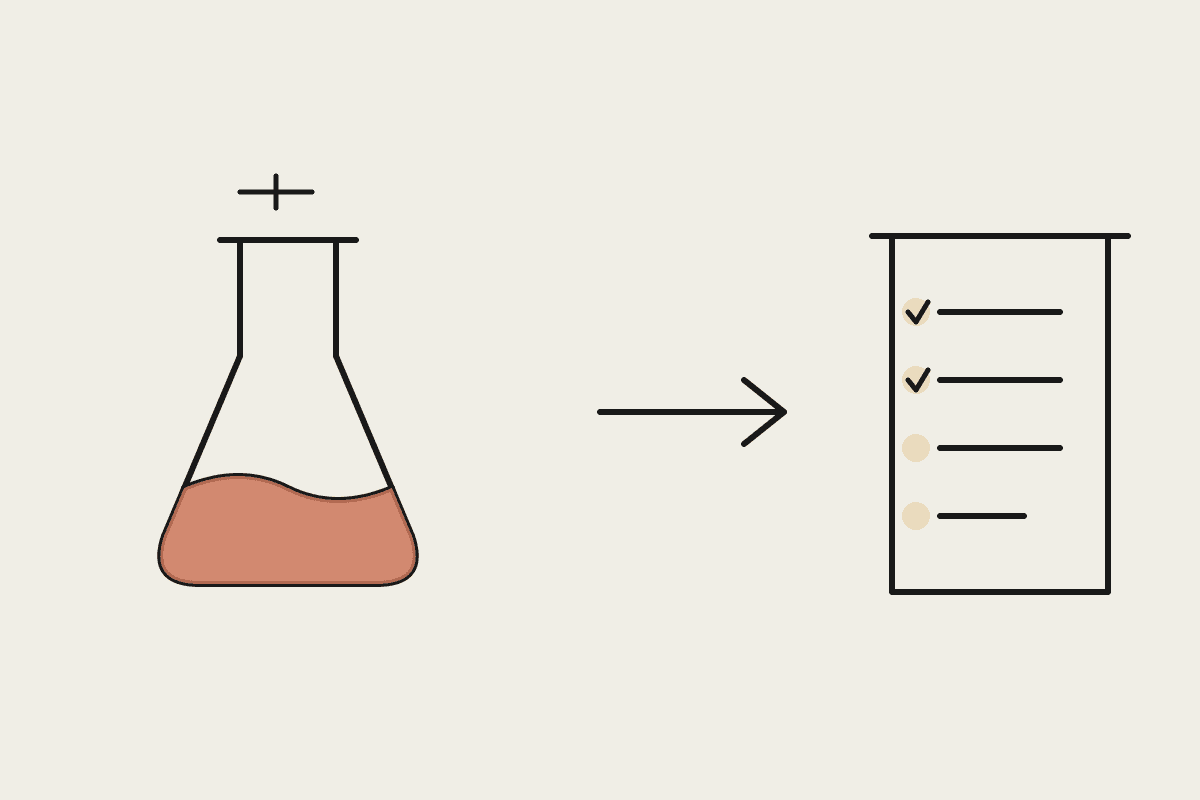
Skip the synthetic evals. Pick three recent tickets your team has already closed and run both models end to end on each one, using the merged pull request as the answer key. Score them on what would have reached main, not on how impressive the first draft looked. A week of this on real work tells you more than any leaderboard, and it surfaces the integration questions early, while they are still cheap to answer.
Use tickets your team already closed as the answer key
Measure rework and review time, not just first draft speed
Note where each model needed hand holding
Run the test inside your actual tooling, not a chat window
How to get the implementation right
Most technical problems here come from skipping verification and over trusting autonomy. Build the checks in early and the rest of the work gets safer and faster, and your team spends less time cleaning up after a confident mistake.
Start in a contained, low risk environment
Verify output before it touches anything live
Keep approval gates on costly or irreversible actions
Log prompts and changes so work is repeatable
Common mistakes to avoid
Technical rollouts stumble on the same few issues. Over trusting autonomy, skipping verification, and wiring everything to one vendor are the usual culprits. Catch them early and the build stays safe.
Letting an agent act without approval gates
Shipping output without a verification step
Hard wiring prompts and logic to one platform
Assuming a benchmark score predicts real results
Failing to log prompts, so work cannot be repeated
Granting an agent more access than the task needs
What this means for Australian businesses
For an Australian dev shop, a senior engineer runs around $160,000 a year fully loaded, and Sydney and Melbourne salaries are still climbing. Even a small lift in merge rate is worth far more than the token savings between models. Pick the model that ships, not the one that prints fastest, and let the maths follow from there.
We benchmark both models on your real tickets
We wire the winner into your existing tooling and CI
We set review gates so quality holds as volume grows
Key takeaways
If you remember nothing else about claude vs gemini coding for your Australian business, hold on to these points:
Benchmarks are a starting point, not a verdict
The gap shows up on large, messy, long horizon work
Test on closed tickets with merged pull requests as the answer key
Match the tool to the task and keep a human on high stakes work
Talk to a Claude specialist
We are a Claude focused consultancy based in Sydney, working with Australian teams end to end. If you want a second opinion before you commit your coding budget, book a short brainstorm and we will map the fastest path to a defensible decision.