Payroll is one of the first jobs Australian business owners want to hand to AI, and one of the last they should hand over completely. Claude is genuinely useful for the thinking around payroll: modelling a wage bill, drafting a roster budget, reading an award clause in plain English, or checking whether a pay run looks sensible before you lodge it. What Claude does not do is replace the compliance machinery that Australian payroll runs on. This piece draws a clear line between the two so you know what to automate and what to leave to purpose-built software.
What Claude actually does well in payroll planning
Think of Claude as the analyst who sits beside your payroll, not the clerk who runs it. Given your headcount, hourly rates and expected hours, it will build a forecast in seconds and explain every number. That is where the time saving is real, and where the risk is low.
Forecasting the fortnightly or monthly wage bill across scenarios, including a pay rise, a new hire, or a busy trading period.
Turning a dense modern award into a plain-English summary of penalty rates, allowances and casual loading so you know what to check.
Drafting the employee-facing note that explains a pay change, a new super rate, or a roster shift.
Sanity-checking a pay run: spotting a timesheet that looks doubled, an ordinary rate below the award floor, or a super figure that does not reconcile.
Building the list of questions you should ask your accountant or bookkeeper before year end.
None of that touches the Australian Taxation Office or an employee's bank account. It is planning, interpretation and drafting, which is exactly the work Claude is reliable at.
Where Australian payroll reality bites
Australian payroll is not hard because the arithmetic is complex. It is hard because three separate systems all have to agree, and each carries its own legal obligation. Get any of them wrong and the cost is measured in penalties, not embarrassment.
Single Touch Payroll (STP Phase 2)
Every pay run has to be reported to the ATO through STP-enabled software on or before the day you pay staff. STP Phase 2 expanded what you report: income types, disaggregated gross, and details that feed Services Australia. Claude can help you understand a Phase 2 field or draft a message to your software provider, but the lodgement itself has to go through certified payroll software. There is no way to report STP by pasting a table into a chat window.
Superannuation guarantee
The super guarantee rate is legislated and rises on a set schedule, and payments must reach each employee's fund by the quarterly due date. Miss it and you owe the super guarantee charge, which is not tax deductible and includes interest plus an administration fee. On a $480,000 annual wage bill, a single missed quarter can turn a roughly $13,000 super liability into a materially larger charge once penalties apply. Claude can warn you the date is coming and model the cash impact; it cannot make the payment or lodge the charge statement.
Modern awards and pay rates
Most Australian employees are covered by a modern award that sets minimum rates, penalty rates, overtime and allowances. Those rates change on 1 July each year. Underpayment cases have cost businesses serious money: remediation bills near $45,000 for a single small team are common once back pay, interest and Fair Work attention are added. Claude reads awards well and will flag where a rate looks low, but the interpretation is your responsibility and the source of truth is the Fair Work Ombudsman, not the model.
A sensible split: planning in Claude, lodgement in payroll software
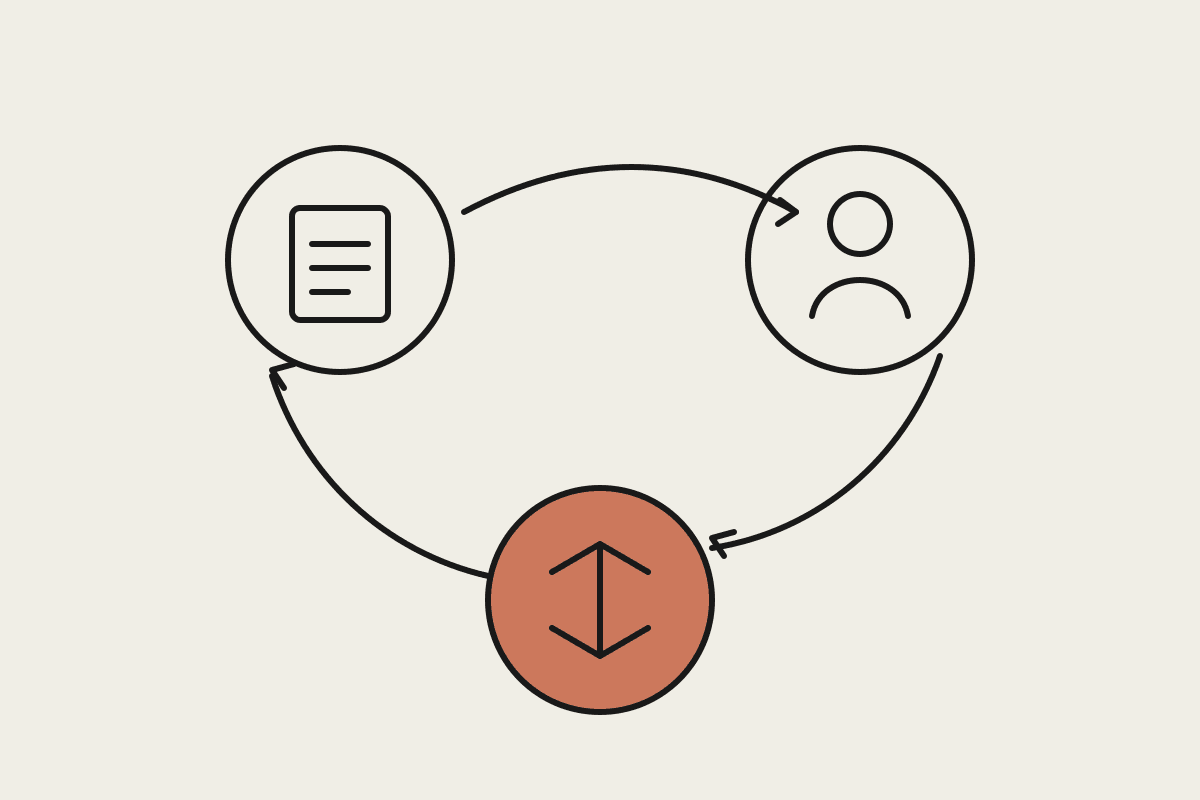
The businesses that get the most out of Claude here treat it as the planning and review layer that sits on top of proper payroll software such as Xero, MYOB or Employment Hero. The software does the regulated work. Claude does the thinking.
Use payroll software for the pay run, STP lodgement, super payments and record keeping. These are legal obligations with audit trails.
Use Claude to forecast, interpret awards, draft communications, and review a run before you approve it.
Keep a human in the loop for every approval. AI review reduces errors; it does not remove accountability.
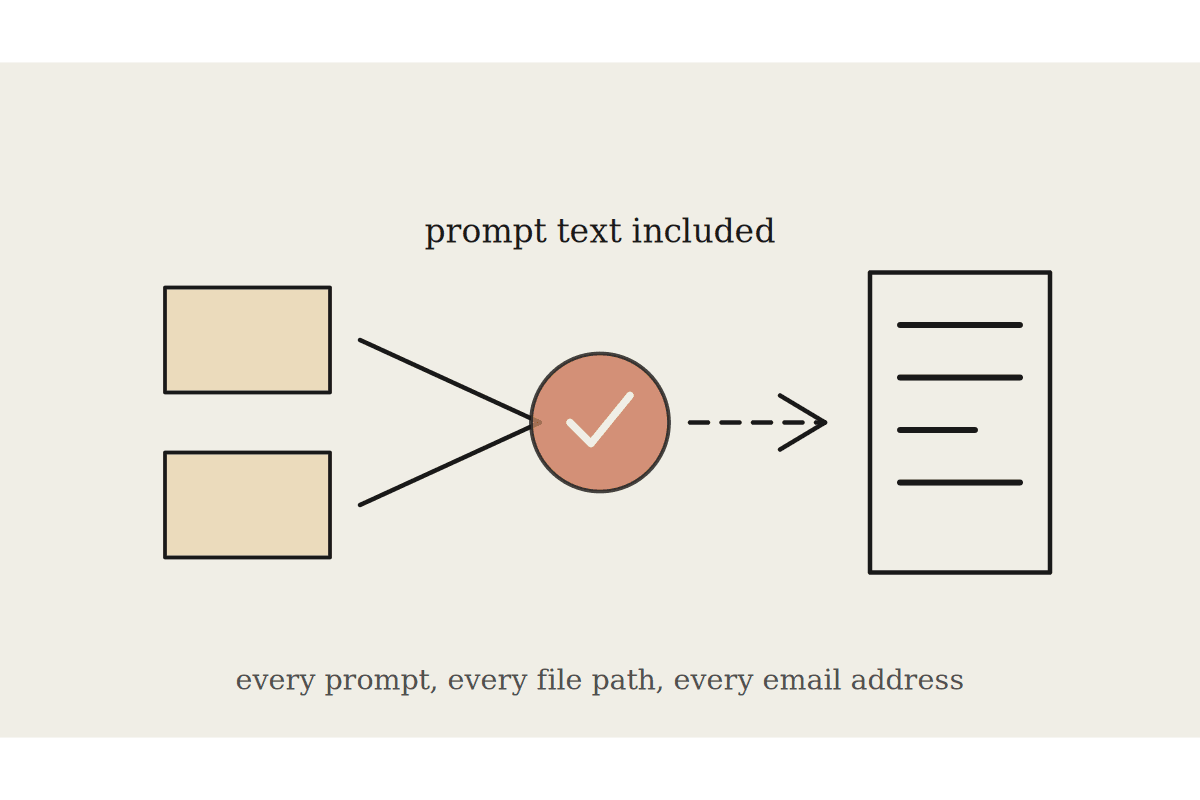
Never paste full employee tax file numbers or bank details into a chat. Plan with rates and totals, not raw identifiers.
What this looks like for a Sydney small business
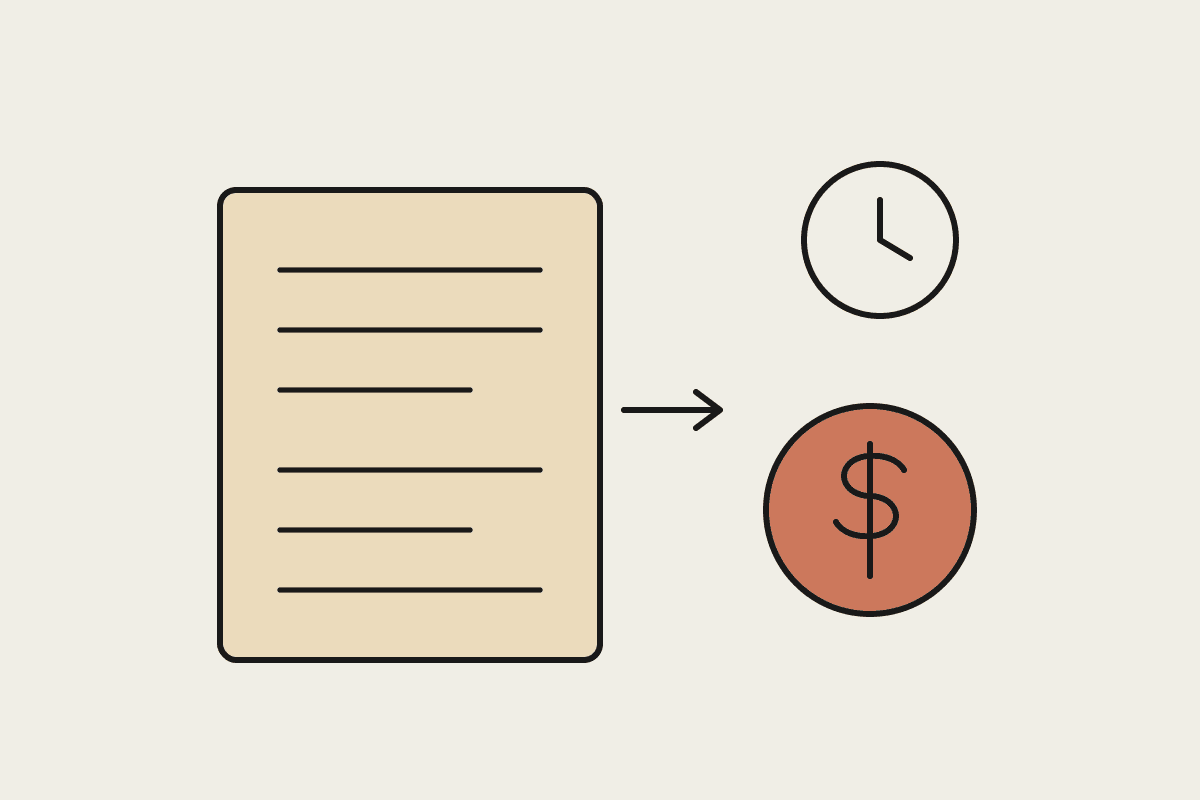
Take a Sydney cafe group with 22 staff, most on the Restaurant Industry Award. The owner spent roughly four hours a fortnight modelling rosters against the wage budget and second-guessing penalty rates. Moving the planning into Claude cut that to under an hour: the model rebuilds instantly when hours change, and award questions get answered without digging through a 90-page document. Over a year that is more than $6,000 of owner time returned to the business. The pay runs still go through Employment Hero, STP still lodges to the ATO on time, and super still lands in each fund by the due date. Nothing about compliance changed. What changed was the hours lost to spreadsheets and doubt.
Where to start
Pick one payroll planning task you dread and give it to Claude for a fortnight while your existing software keeps running exactly as it does now. Model your wage bill, or have Claude summarise the award your team sits under, and check its working against your bookkeeper. If you want help drawing the line between what to automate and what to keep in certified software, book a short call and we will map it to your setup.