Canva Magic Studio and Claude keep landing in the same budget conversation. An Australian marketing manager has one software line left in the plan, both products promise AI help with content, and someone has to pick. The comparison feels natural because both tools produce marketing output. But it is the wrong framing. Magic Studio is design AI that lives inside a canvas. Claude is a general agent that works across your whole business. They solve different problems, and the interesting question is not which one to buy but where each one should sit in your workflow.
This matters for small teams especially. When you have two people doing all the marketing for a Sydney trades business or a Melbourne online retailer, every hour spent producing content is an hour not spent deciding whether that content is worth producing. One of these tools helps with the first problem. Only one helps with the second.
What Canva Magic Studio is actually good at
Magic Studio is the umbrella for Canva's AI features: Magic Design turns a prompt into template options, Magic Write drafts copy inside the editor, Magic Media generates images, and Magic Switch resizes one design across every format you need. Add a brand kit and a non-designer can produce respectable artwork in minutes. Canva Pro runs at roughly $165 per person per year in Australia, which is cheap against what the same output would cost from a freelancer at $90 to $130 an hour.
Volume output: ten social tiles, a price list and an event flyer before lunch, all roughly on brand.
Brand consistency: locked fonts, colours and logo placement so casual users cannot drift too far.
Format coverage: one design resized for Instagram, Facebook, a print poster and an email header in a couple of clicks.
Low skill floor: the office admin can ship passable artwork without ever opening Photoshop.
The limits are just as clear. Magic Studio only knows what is on the canvas. It cannot read your sales report, does not know that gift boxes outsold everything else in June, and has no opinion on whether the campaign you are designing is worth running. Magic Write will happily draft a caption for a promotion that your own numbers say you should not be running.
What a general agent does differently
Claude is not a design tool and does not pretend to be one. Its job is the work around the artwork. Give it access to your files, spreadsheets and email and ask it to promote what sold best last month, and it will pull the sales data, pick the products, draft the positioning, write the captions and email copy, and lay out a posting calendar. The output is a set of briefs specific enough that whoever produces the artwork, human or Magic Studio, is executing a decision rather than guessing.
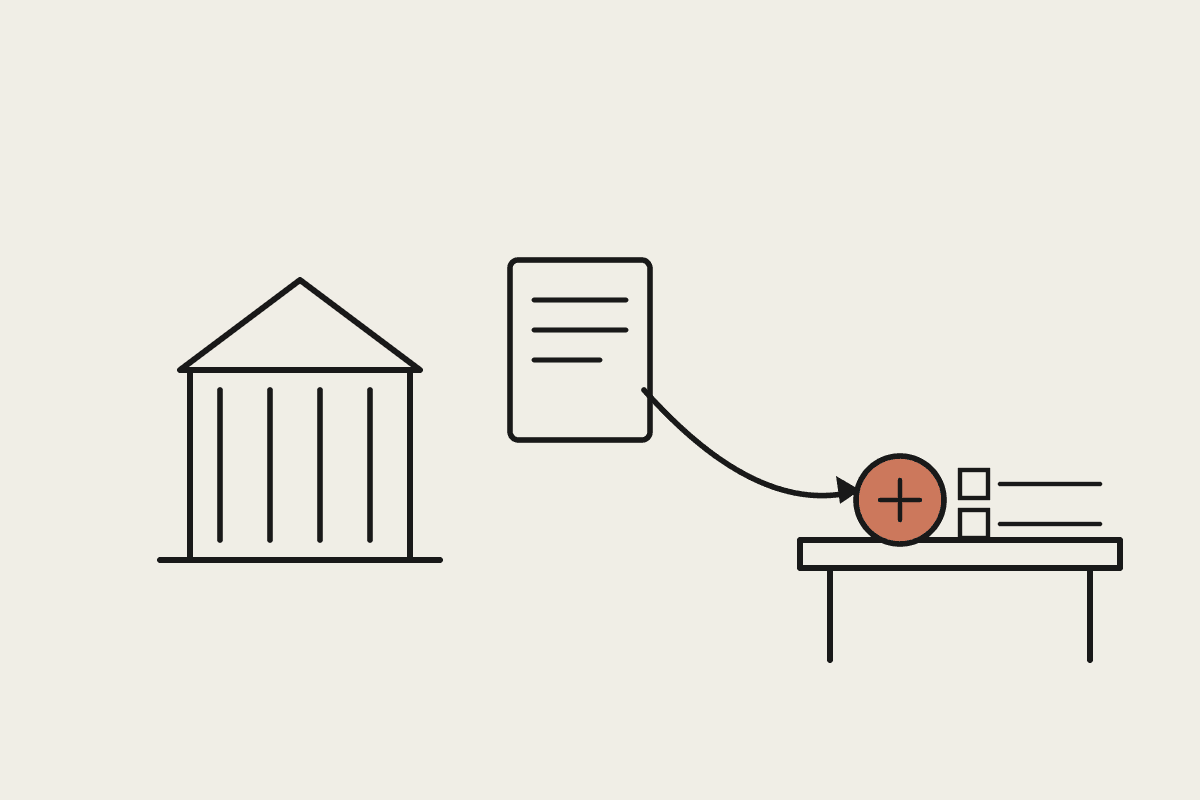
The two tools also connect directly. Canva publishes an integration that lets Claude create designs from your brand templates, so an agent can plan a campaign and then push the copy straight into Canva layouts for a human to approve. The agent plans, the design tool renders. That handoff is where the agent-led setups we build for Australian businesses tend to save the most time.
Deciding what to promote, based on what your sales data actually says rather than what feels recent.
Writing the campaign brief, the offer structure and the follow-up email sequence in your own voice.
Sanity-checking promotional claims against ACCC guidance before they go out, not after a complaint.
Reporting afterwards on what worked, so next month's plan starts from evidence.
The cost picture for an Australian SMB
The software line is a rounding error either way. Canva Pro is about $165 a year, a Claude subscription is in the same order of magnitude per month, and neither approaches the real cost, which is labour. A part-time marketing coordinator in Sydney runs around $45,000 a year. If content admin eats ten hours a week at a loaded cost of $50 an hour, that is roughly $26,000 a year spent on assembling, resizing, scheduling and reporting. Design AI shaves the assembly hours. An agent removes whole categories of the work: the data pull, the brief, the copy drafts, the report.
One caution that applies to both tools: anything you upload becomes part of your data handling story. If your campaign files include customer names or purchase histories, you are inside Privacy Act territory, so check where each vendor stores and trains on your data before the marketing team starts pasting spreadsheets into prompts. This is a five-minute policy conversation now versus an awkward one later.
Use them together, not instead
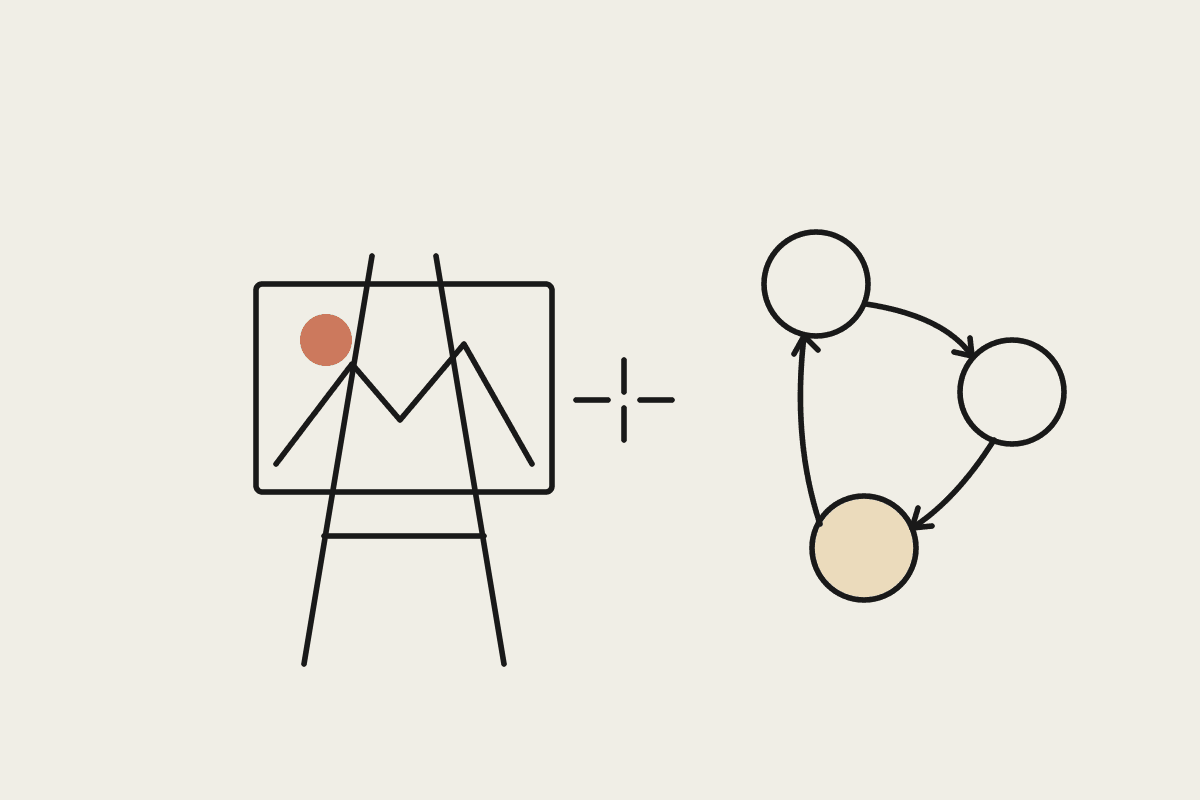
The practical split for most small Australian teams: Claude owns strategy, copy and anything that touches your business data; Canva owns rendering and brand-locked templates; the connector carries briefs from one to the other. Bought this way, the two products are not competitors at all. Magic Studio makes the artwork cheap. Claude makes sure the artwork is the right artwork.
If you want to see what an agent-led content workflow looks like running on your own sales data, book a short call with us and we will walk through it with a live example.