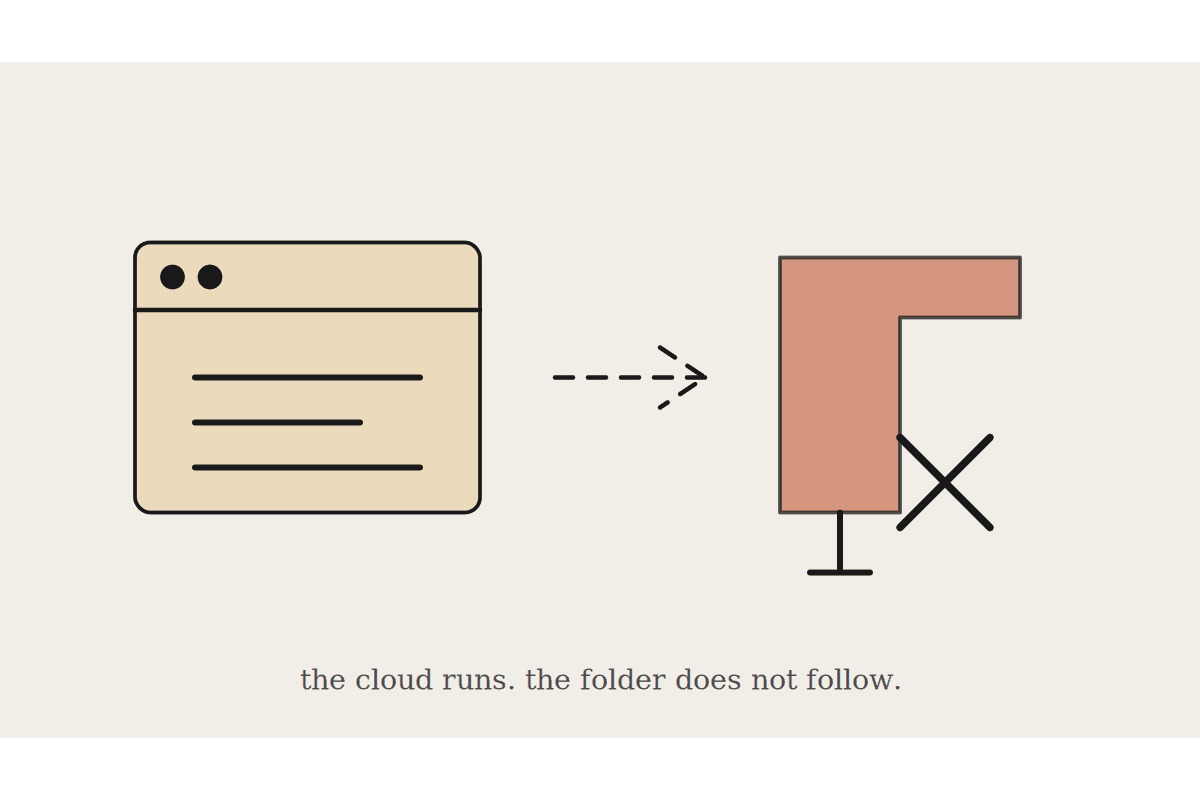
Most small businesses use AI on demand. Someone opens a chat window, asks a question, copies the answer out and closes the tab. That works, but it caps the value at whatever someone remembers to ask. Claude scheduled tasks flip the arrangement: instead of you turning up to the tool, the tool turns up for you, on a timer, with the work already done. The businesses getting the most out of Claude in 2026 treat it less like a search box and more like a staff member with a rota.
What a scheduled task actually is
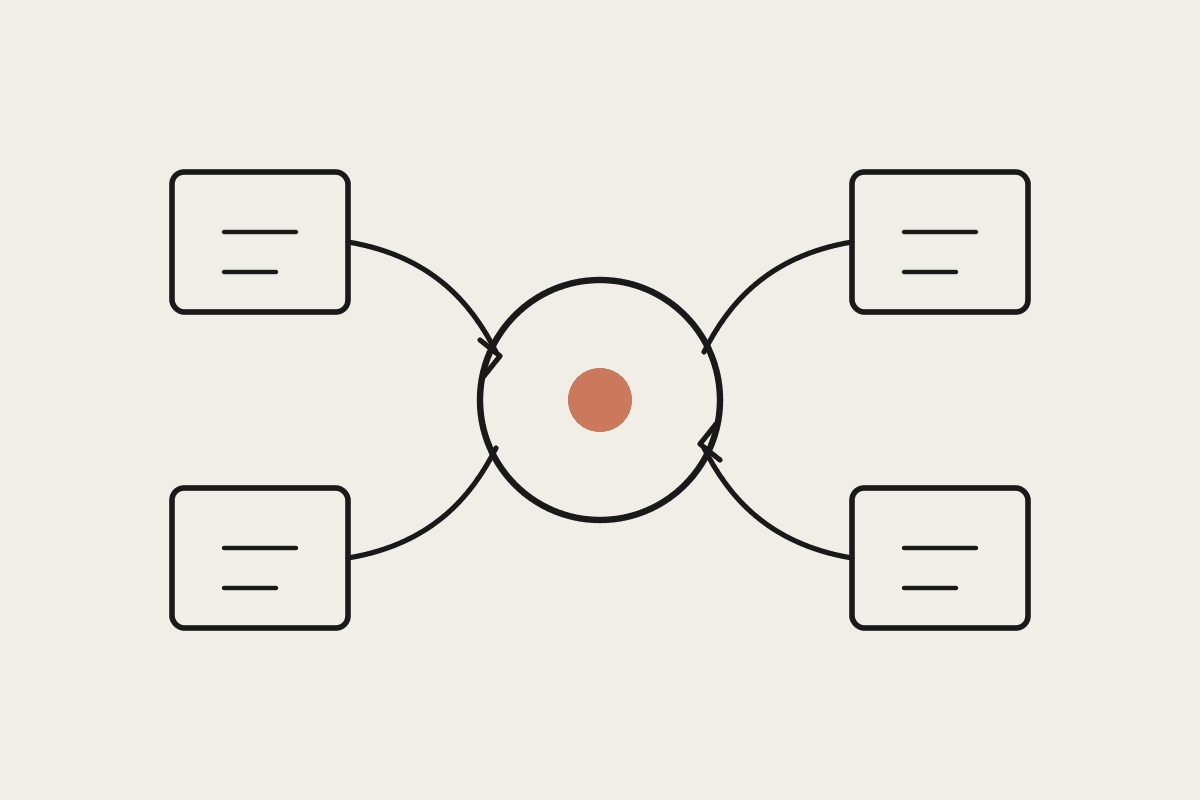
In Claude's Cowork desktop app, a scheduled task is a written instruction that runs automatically at a set time: every weekday at 7:30am, every Friday afternoon, the first of the month. When it fires, Claude reads whatever it needs from your connected tools, such as spreadsheets in a shared folder, your CRM, your inbox or your accounting platform, does the work, and leaves the output where you have agreed it should go: a report in a folder, a draft email awaiting approval, an updated row in a database.
Because nobody is present when the task runs, the instruction has to carry everything: what to read, what to produce, what to do when something looks wrong, and what never to do without a human. That is why the calendar you design matters more than any single task. A well-designed weekly rhythm compounds; a pile of ad-hoc automations decays.
A weekly rhythm that works for an Australian small business
Here is a calendar we see working across Australian service businesses, from a two-person Sydney consultancy to a forty-seat firm:
Monday 7:30am, the pulse. Cash position, pipeline movement, this week's meetings, and the one thing that needs attention today. One page, waiting before the first coffee.
Tuesday and Thursday 8:00am, the follow-up sweep. Claude checks which quotes and invoices have gone quiet, drafts the chase emails in your tone, and queues them for your approval. Nothing sends itself.
Wednesday 9:00am, the content drain. One queued blog post or social draft moves from the backlog to published, keeping marketing alive without a Wednesday-afternoon panic.
Friday 4:00pm, the wrap. Revenue against last week, what closed, what stalled, and anything that should carry into Monday's pulse.
First of the month, 9:00am, the close prep. Uncategorised transactions flagged, receipts matched, and a plain-English note on anything that will slow down your BAS.
The specifics will differ for your business. The pattern should not: each task is anchored to a decision someone actually makes at that point in the week, which is the difference between a report that gets read and a report that gets archived.
Four rules for designing your own calendar
Anchor every task to a decision, not to curiosity. If no decision changes based on the output, delete the task.
One task, one output. A task that produces a report, updates the CRM and drafts three emails is a task that fails in ways you will not notice.
Draft, never send. Anything customer-facing waits for human approval. This is also the safer posture under the Privacy Act: Claude can read customer data to prepare work, but a person signs off before anything leaves the building.
Right-size the cadence and log the no-ops. A daily task that finds nothing to do five days a week should probably be weekly. Have each run write a one-line log so you can see the idle rate.
Start with two tasks, run them for a fortnight, and only then add more. Every task you add is a small system you now own, so add them the way you would hire: slowly, with a clear job description. Most Melbourne and Brisbane firms we have set up settle at six to eight tasks within a quarter, and then stop adding, because the calendar is doing the job it was designed to do.
What it costs and what it returns
The arithmetic is not subtle. If the Monday pulse, the follow-up sweeps and the Friday wrap replace five hours a week of owner or bookkeeper time at $110 an hour, that is roughly $28,600 a year in recovered time, against a Claude subscription that costs less than one of those hours each month. The bigger return is usually the follow-up sweep itself: most small firms we work with are sitting on $15,000 to $40,000 in unchased quotes and invoices at any given moment, not because anyone decided to ignore them, but because chasing is nobody's Tuesday morning job. A scheduled task makes it somebody's job.
If you want a scheduled-task calendar mapped to your own week, the setup usually takes a day, not a quarter. Book a free brainstorming session and we will design your first five tasks with you.