Australian accountants juggle BAS lodgements, reconciliations and a steady stream of client queries on tight deadlines. Both Claude and Gemini can take real load off the routine work, but accuracy on numbers and Australian tax context is where the choice gets serious. Pick the wrong tool for the wrong task and you trade a few saved minutes for a compliance headache.
Google made a wave of model announcements at I/O 2026, and the dust has settled enough to judge them honestly. Plenty of Australian practice owners are now asking what, if anything, they should change. This guide keeps it practical, focusing on the trade-offs that affect the decision rather than the marketing claims.
Routine workload relief
Drafting client emails, summarising statements and explaining figures in plain English are quick wins for either model. This is the lowest-risk place to start, because nothing here commits money or files a return. A junior who spends two hours a day on client correspondence can hand most of that drafting to a model and keep a quick human review at the end.
Plain-English explanations of statements for clients who do not read balance sheets
First drafts of replies to common, repetitive client queries
Summaries of long financial documents and board packs
Accuracy on numbers
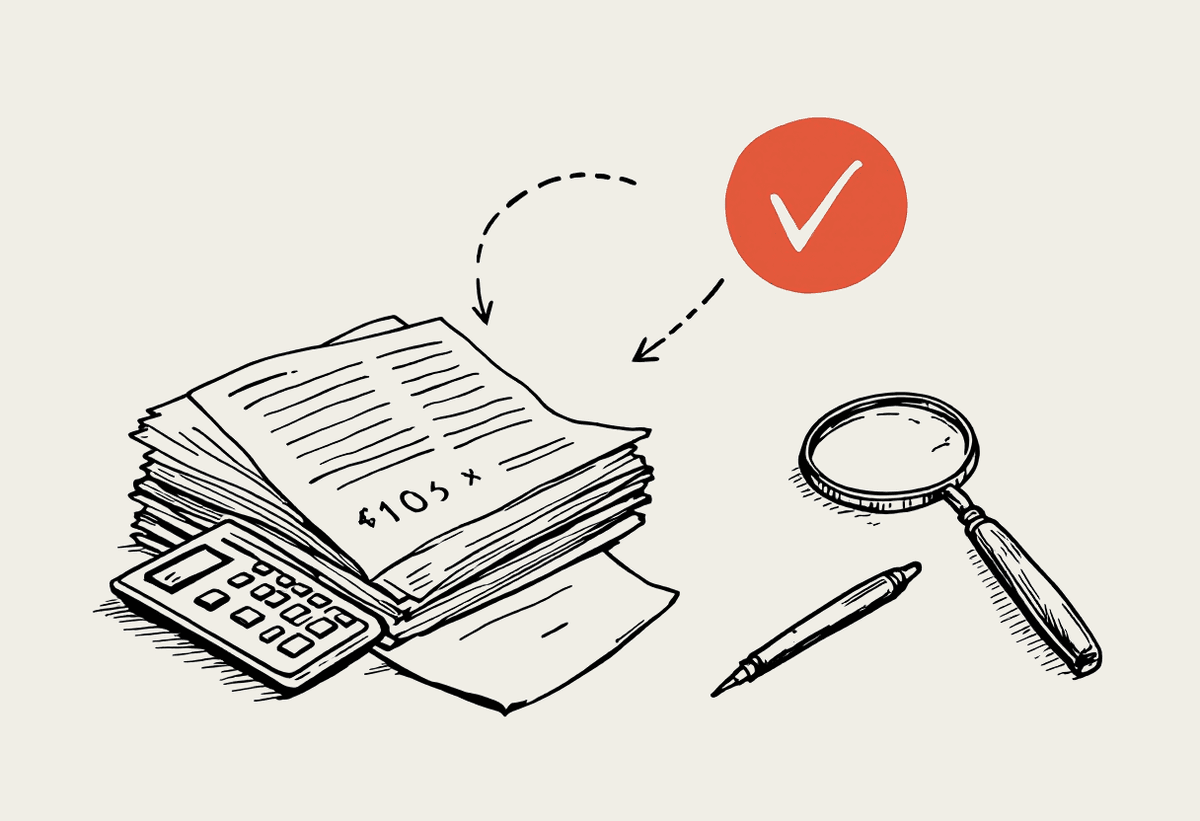
Neither model should be trusted to do final maths unchecked. Both Claude and Gemini are strong at language and reasoning, but a language model is not a ledger. Use them to draft and explain, not to calculate the lodgement. The safe pattern is to keep the arithmetic inside your accounting software and use the model to interpret and communicate what the numbers mean.
Never auto-file figures produced by a model
Cross-check any number against the ledger before it leaves the building
Keep the calculation in your accounting system, not the chatbot
Fit for an Australian practice
Local context like GST treatment, BAS timing and current ATO guidance needs to be supplied and verified, not assumed. Models trained largely on global data will happily produce confident answers about Australian tax that are subtly wrong. Whichever model you choose, the discipline is the same: feed it the current rules and check its work against a source you trust.
Feed current ATO guidance into prompts rather than relying on training data
Verify GST treatment manually for anything non-standard
Document the advice given to clients and the basis for it
Where Claude tends to edge ahead
For practice work, the deciding factors are rarely the headline benchmark scores. They are how carefully the model handles instructions, how willing it is to say it is unsure, and how predictable it is across hundreds of similar tasks. In our own work with Australian SMBs, Claude has been the steadier choice for document-heavy, accuracy-sensitive workflows where a wrong answer delivered confidently is worse than no answer at all.
Gemini is a capable model and tightly integrated with Google Workspace, which matters if your practice already lives in Gmail, Docs and Sheets. The honest answer for many firms is that both can do the routine job well, and the integration you already pay for may settle the question. The risk to manage is the same either way: the failure mode of an over-trusted model, not the brand on the label.
How to get this right in practice
The pattern across every Australian industry is the same. Automate the routine, keep humans on anything that commits money, law or client trust, and check accuracy before anything goes out the door. The firms that do well start small and stay disciplined rather than rolling a model across the whole practice in week one.
Start with one high-frequency, low-risk task such as drafting client emails
Keep a human on anything client-facing or binding
Verify figures and facts before anything is sent
Expand only once a use case has proven itself
Common mistakes to avoid
Across Australian practices the failure pattern repeats. Owners automate the wrong thing first, let a model touch money or compliance unchecked, or trust output without verifying it. A careful start prevents the costly version of each of these.
Automating a high-risk task before a safe one
Letting a model commit money or legal positions
Skipping the human check on client-facing work
Assuming local rules without verifying them
Scaling before a single use case has proven out
What this means for Australian businesses
A BAS error can trigger penalties and amendments that cost a client thousands and a practice its reputation. The right setup saves a senior accountant on $120,000 a meaningful slice of their real hours while keeping the figures in the ledger rather than the chatbot. Done well, the saving is not a one-off, it compounds across every reporting cycle.
We use AI to draft and explain, not to calculate
We keep figures inside your accounting system
We document advice for compliance
Key takeaways
If you remember nothing else about choosing AI for accounting in Australia, hold on to these points.
Routine relief is the safe place to start, and either model handles it well
Accuracy on numbers stays in the ledger, never in the model
Fit for an Australian practice means verifying local rules, not assuming them
Match the tool to the task, keep a human on high-stakes work, and review the choice as models change
Talk to a Claude specialist
We are a Claude-focused consultancy based in Sydney, working with Australian SMBs end to end. If you want a second opinion before you commit, a 30-minute brainstorm will save you weeks of trial and error. Book a brainstorm with us.