APRA prudential standards, AUSTRAC guidance notes and internal policy manuals are some of the longest, densest documents an Australian business ever has to read. Both Claude and Gemini can summarise them. The real question for a compliance team is which model stays accurate on page 90, and what you put around the model so a confident mistake never reaches the regulator.
Google's I/O 2026 announcements put Gemini 3.5 Flash back in front of Australian buyers, and its speed on large files is real. Plenty of compliance and operations leads are now asking whether it should replace Claude for document heavy work. The dust has settled enough to compare the two on the jobs compliance teams actually run, rather than on benchmark tables.
The long context challenge
A 120 page prudential standard asks the model to remember section three while it reads section thirty. The failure mode is not refusal, it is drift: the summary of the later chapters quietly stops matching the source, or the model invents an obligation that sounds plausible. On compliance work, plausible and wrong is the most expensive combination there is.
Holding detail across documents that run past 100 pages
Linking related clauses that sit 60 pages apart
Refusing to invent requirements that are not in the source
Keeping defined terms straight when they shift between sections
How Claude and Gemini compare
On real Australian regulatory text, Claude is the steadier clause level worker and Gemini 3.5 Flash is the faster triage tool. Claude holds instructions over a long session, keeps quotations accurate, and is more willing to say a clause is ambiguous rather than paper over it. Gemini turns a 300 page bundle into a first pass overview in seconds and costs less doing it.
Claude: steadier on clause by clause review, quotation accuracy and cross references
Gemini: quicker and cheaper for first pass summaries and triage
Both still need a human verification step before anything is relied on
Where each model earns its keep
A practical split that works for several of our clients: a fast model handles the morning triage of new regulatory updates and flags which documents matter. Claude then does the careful read of the two or three that do, producing a clause level summary with citations a compliance officer can verify in under an hour. The combination costs less than either model doing everything, and the errors stay on the cheap half of the work.
Making the output trustworthy
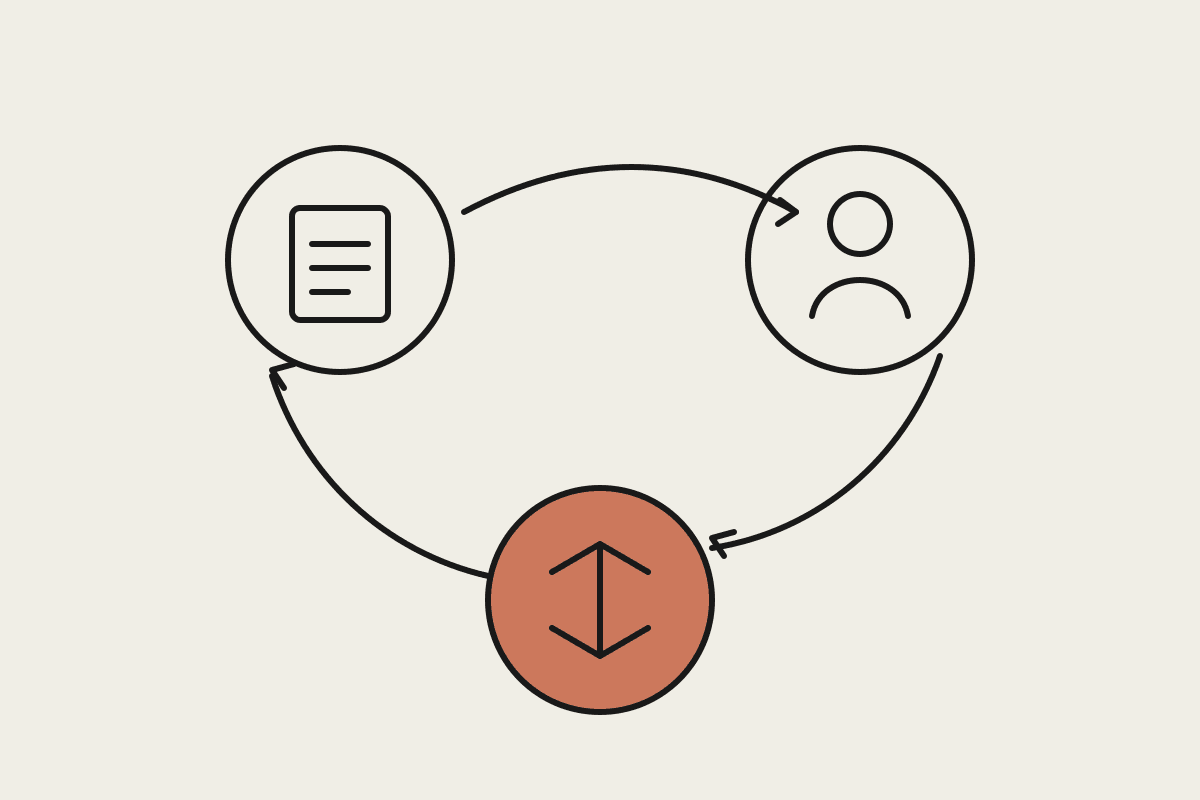
Treat the model output as a draft map of the document, never as the document itself. The teams that get real value from AI on compliance work all run the same loop: generate, verify against the source, record what was checked.
Check every cited requirement against the source clause
Keep the source document open beside the model output
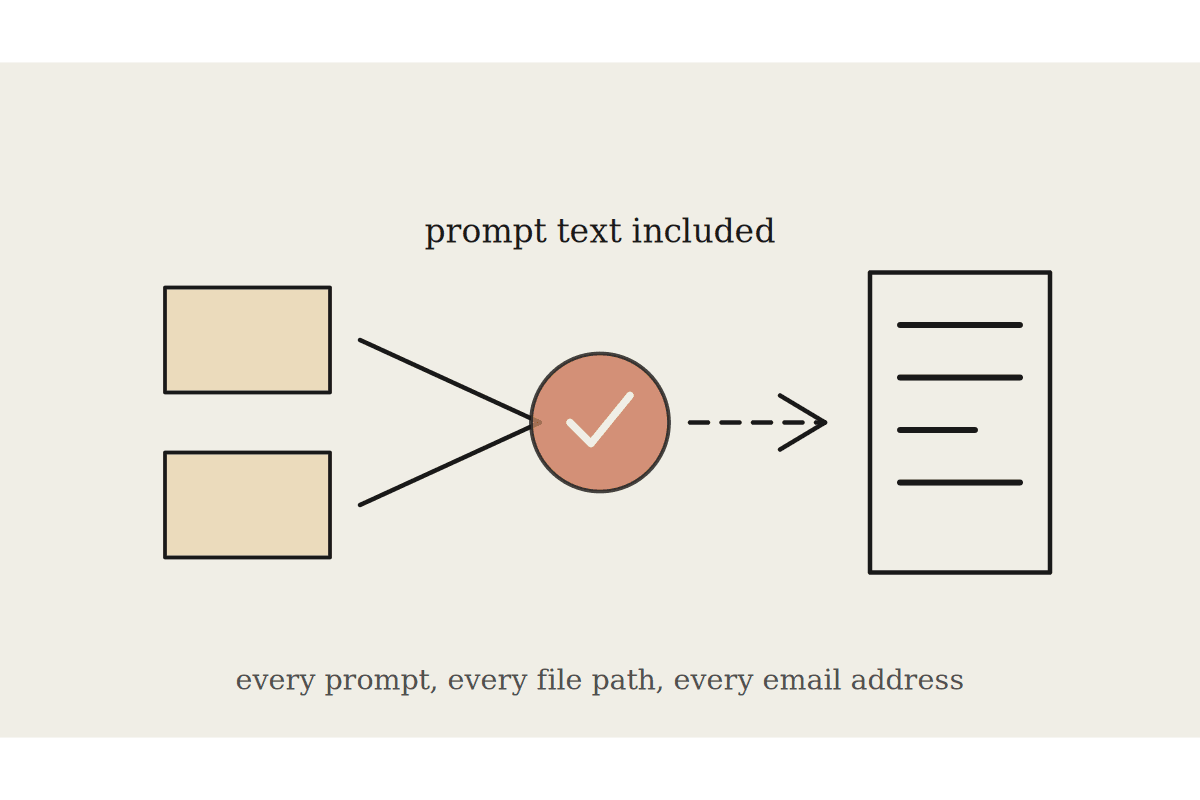
Record prompts and outputs so the review is repeatable for audit
How to get the implementation right
Most technical failures here come from skipping verification or granting too much autonomy too early. Build the checks in from the first week and the work gets faster and safer at the same time, because the team stops re-litigating whether the output can be trusted.
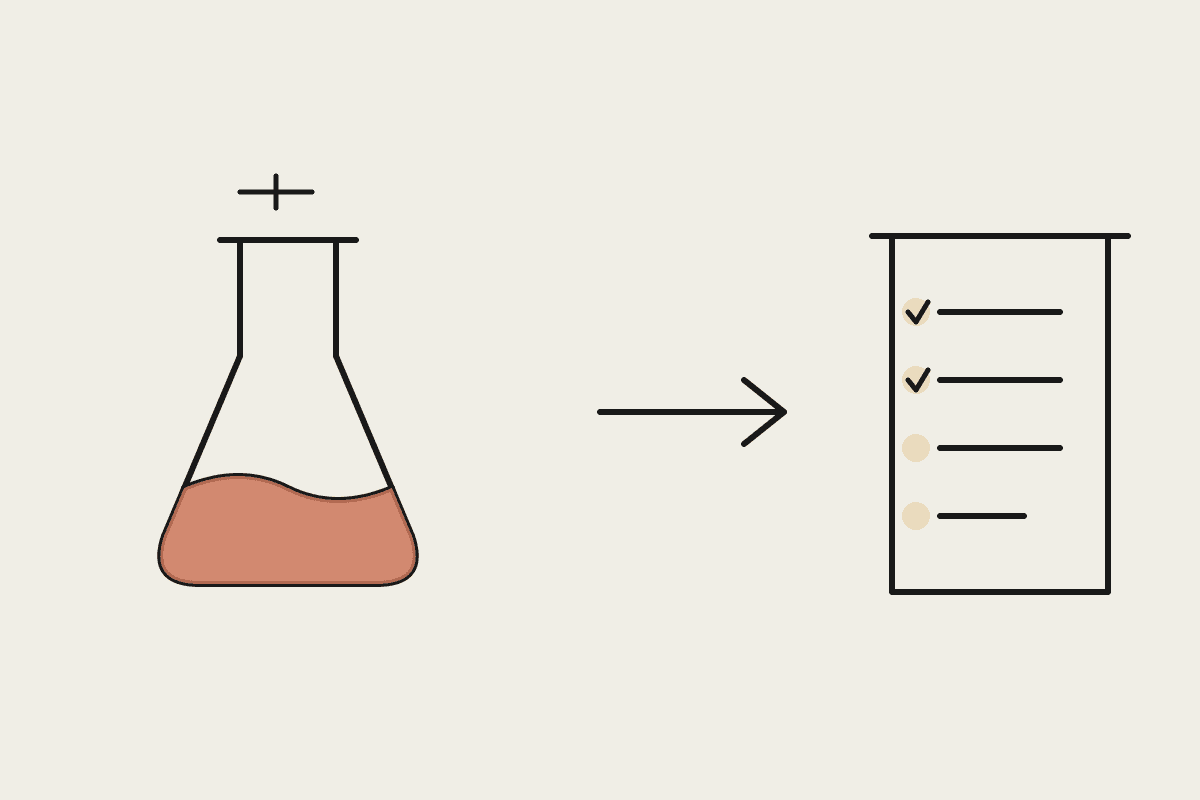
Start in a contained, low risk environment such as historical documents
Verify output before it touches a live obligation or filing
Keep approval gates on anything costly or irreversible
Log prompts and changes so the work is repeatable
Common mistakes to avoid
Technical rollouts stumble on the same few issues, and compliance work amplifies every one of them. Catch these early and the build stays safe.
Shipping a summary nobody verified against the source
Letting an agent act on a document without approval gates
Assuming a benchmark score predicts behaviour on APRA prose
Hard wiring prompts to one vendor and losing the option to switch
Granting a tool more document access than the task needs
What this means for Australian businesses
The stakes are not abstract. A missed AUSTRAC obligation can attract penalties above $250,000, and the staff time spent manually re-reading a regulatory library often costs a mid sized Sydney firm more than $40,000 a year. The right setup, the careful model on clause level work with a human verification step, recovers most of that time without taking on regulator risk.
We use Claude for clause level compliance work and keep humans on sign off
We verify every cited requirement against the source before it is used
We keep an audit trail of prompts and outputs for the regulator conversation
Key takeaways
If you remember nothing else about ai long document analysis for your Australian business, hold on to these points:
Long context is where models drift, so the verification step is not optional
Claude is the steadier choice for clause level compliance work
Gemini earns its place on fast, low stakes triage
Match the tool to the task and keep a human on anything the regulator might read
Talk to a Claude specialist
Automata AI is a Sydney based consultancy that helps Australian businesses put Claude to work on careful document jobs, compliance review included. We design the verification loop, the audit trail and the model split so the savings are real and the regulator conversation stays comfortable. If you are weighing the options, book a short brainstorm and we will map the safest path for your team.