Retail and e-commerce run on volume. Product copy, customer questions, stock queries and supplier emails pile up faster than a small team can clear them. This is one of the few areas where two AI models can sit side by side, with a fast cheap one handling routine work and a careful one handling anything that touches money or trust.
Google made a run of announcements at I/O 2026, and the noise has settled enough to judge the options plainly. Plenty of Australian store owners are now asking whether they should switch from Claude to Gemini, or run both. This guide stays practical and Claude-first, and it weighs the trade-offs that change the decision rather than the marketing around it.
What changed at Google I/O 2026
The headline from I/O was Gemini 3.5 Flash, a cheaper and faster model aimed at high-volume tasks, alongside Gemini Spark agents and the Antigravity coding tool. For a retailer, the part that matters is cost per task on bulk work like writing listings and answering simple questions.
None of it removes the basic problem. A model that is cheap and quick is excellent at routine drafting and weak at judgement, and the gap shows up exactly where a retailer can least afford a mistake: a refund, a price, a compliance claim on a label. So the question is not Claude versus Gemini in the abstract. It is which model does which job in your store.
Gemini 3.5 Flash lowers the price of high-volume drafting
Gemini Spark adds agent-style automation with an approval step
Claude stays the stronger choice for accuracy, tone and reasoning
Where Gemini fits in a retail stack
Gemini Flash is a sensible pick for work that is repetitive, low risk and easy to check. The cost per item is low, and a human can scan the output quickly before it goes live.
Generating and refreshing product descriptions in bulk
Translating listings for new markets
Summarising long review threads into a few highlights
First-pass drafts of routine pre-sale answers
The risk with a cheap fast model is using it for work it should not touch. Pricing, returns under Australian Consumer Law, and any claim about a product all need a careful model and a human sign-off.
Where Claude earns the harder work
Claude is the model we reach for when the cost of being wrong is high. It holds tone better across a long brand voice guide, follows multi-step instructions more reliably, and is more honest about what it does not know. For an online store, that maps to the work that protects margin and reputation.
Replies on refunds, disputes and warranty questions
Anything that states a price, a discount or a guarantee
Brand-sensitive copy where tone has to stay consistent
Summaries of sales and stock data that feed a real decision
Claude also fits the Automata AI house pattern: build the workflow once, govern it properly, and keep a human on anything that commits the business. That is harder to do well with a model chosen purely on price per token.
A split-model setup that actually works
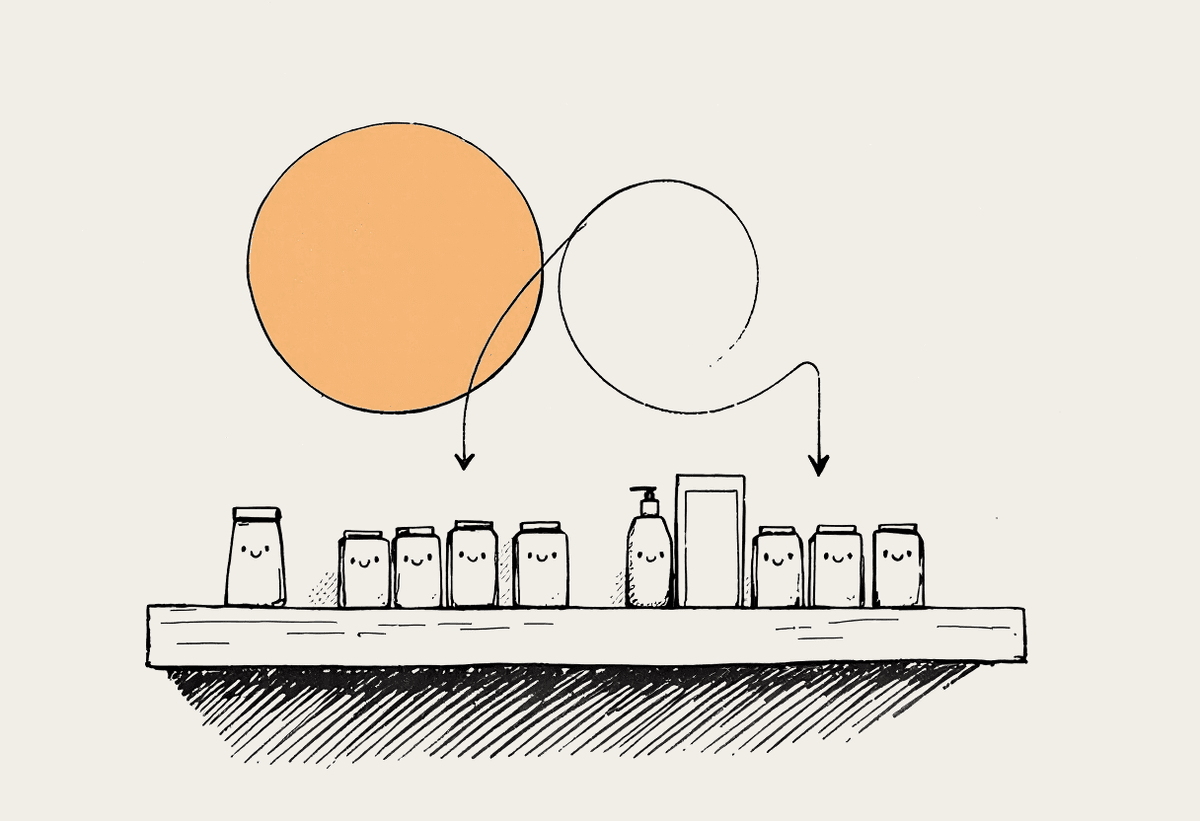
The strongest setup is not a single winner. It is a clear division of labour, with each task routed to the model that suits it and a person checking the high-stakes output before it ships.
Route bulk product copy and translations to the fast model
Route customer replies that involve money or rights to Claude
Keep a human approval step on refunds, disputes and pricing
Log every automated reply so you can audit tone and accuracy
What the numbers look like for an Australian store
Consider a Sydney online store turning over $2 million a year with two staff splitting content and support. Product copy and routine questions can eat the better part of a week each month. Moving that routine load to a fast model, while keeping Claude on sensitive replies, can free roughly a week of staff time a month.
On a blended wage of about $45,000 a year per support role, a week a month is worth in the order of $10,000 a year in recovered time, before any lift in conversion from faster, cleaner listings. Model costs for a store this size usually land under $1,200 a month across both tools, so the maths favours splitting the work rather than forcing everything through the cheapest option.
Fast model for high-volume copy keeps cost per item low
Claude for sensitive replies protects margin and trust
A human stays on money, disputes and compliance claims
Mistakes that cost retailers money
The failure pattern repeats across Australian stores. A careful start avoids the expensive version of each.
Automating a high-risk task before proving a safe one
Letting a model set prices or commit to a refund unchecked
Skipping the human review on anything client facing
Assuming a model knows Australian Consumer Law without checking
Scaling a workflow before one use case has earned its place
How to decide
Pick by task, not by brand loyalty or by price alone. Start with one high-frequency, low-risk job, prove it, then expand. Keep Claude on the work that carries real consequences, and review the split as the models change, because they will.
Start with one routine task and measure the time saved
Keep a human on anything binding or client facing
Verify figures, prices and legal claims before they go out
Revisit the model mix each quarter as pricing and quality shift
Talk to a Claude specialist
Automata AI helps Australian retailers design, build and govern AI workflows with Claude at the core, and we are happy to tell you where a cheaper model genuinely fits. Book a brainstorm and we will pressure-test your plan against the trade-offs above.