If you run a small or mid-sized business in Australia and you have started looking at automation, two names come up fast. One is n8n, an open-source tool for wiring apps together. The other is Claude, the AI model our team builds on. The two get pushed into the same conversation, but they solve different problems. Choosing the wrong one costs you months of build time and real money, so it pays to understand the difference before you commit.
What n8n actually does
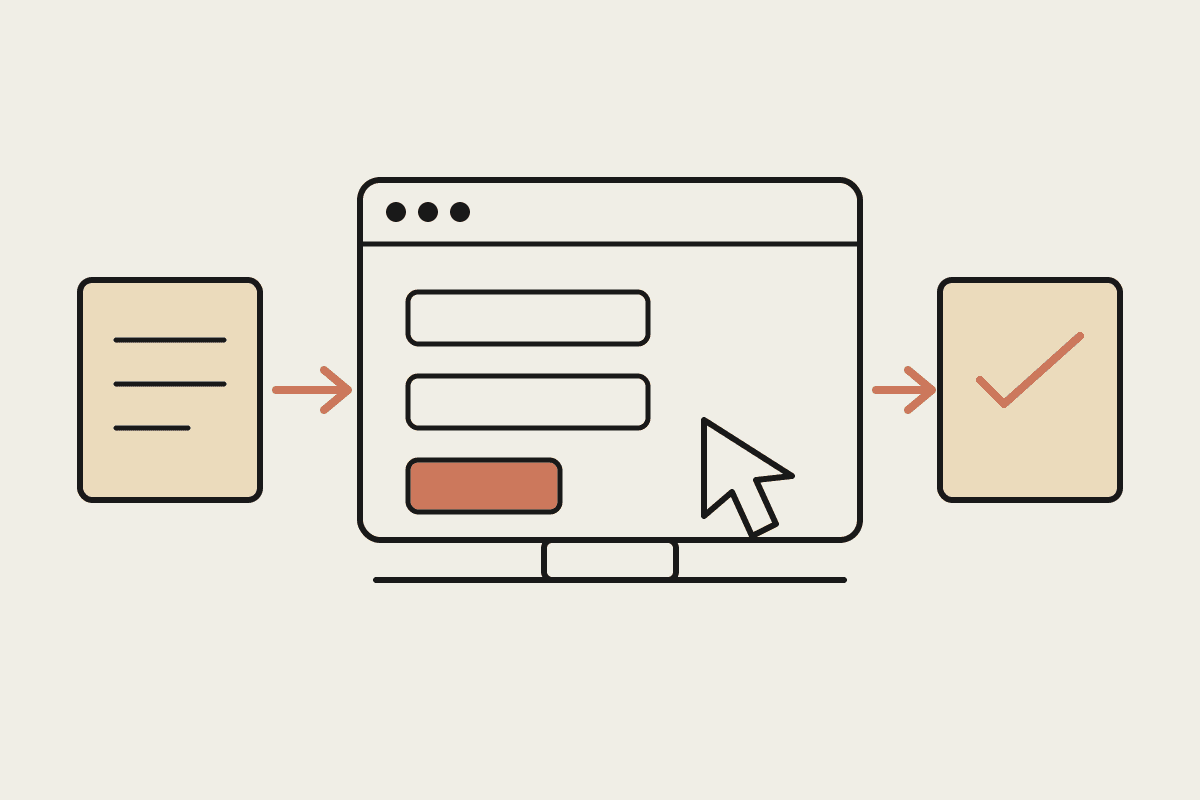
n8n is a workflow automation platform. You build a flowchart of nodes: a trigger fires, data passes from one app to the next, and each step runs a fixed rule you defined in advance. Connect a web form to a spreadsheet, the spreadsheet to an email, the email to a chat message. Because it is open source, you can host it on your own server in Sydney or Melbourne and keep the data inside your own walls, which matters when you handle records covered by the Privacy Act.
The strength of n8n is predictability. The same input runs the same path every time. For high-volume, repetitive plumbing, that reliability is exactly what you want, and the software licence cost is close to zero. The weakness shows up the moment a task needs judgement rather than a rule.
What a Claude agent actually does
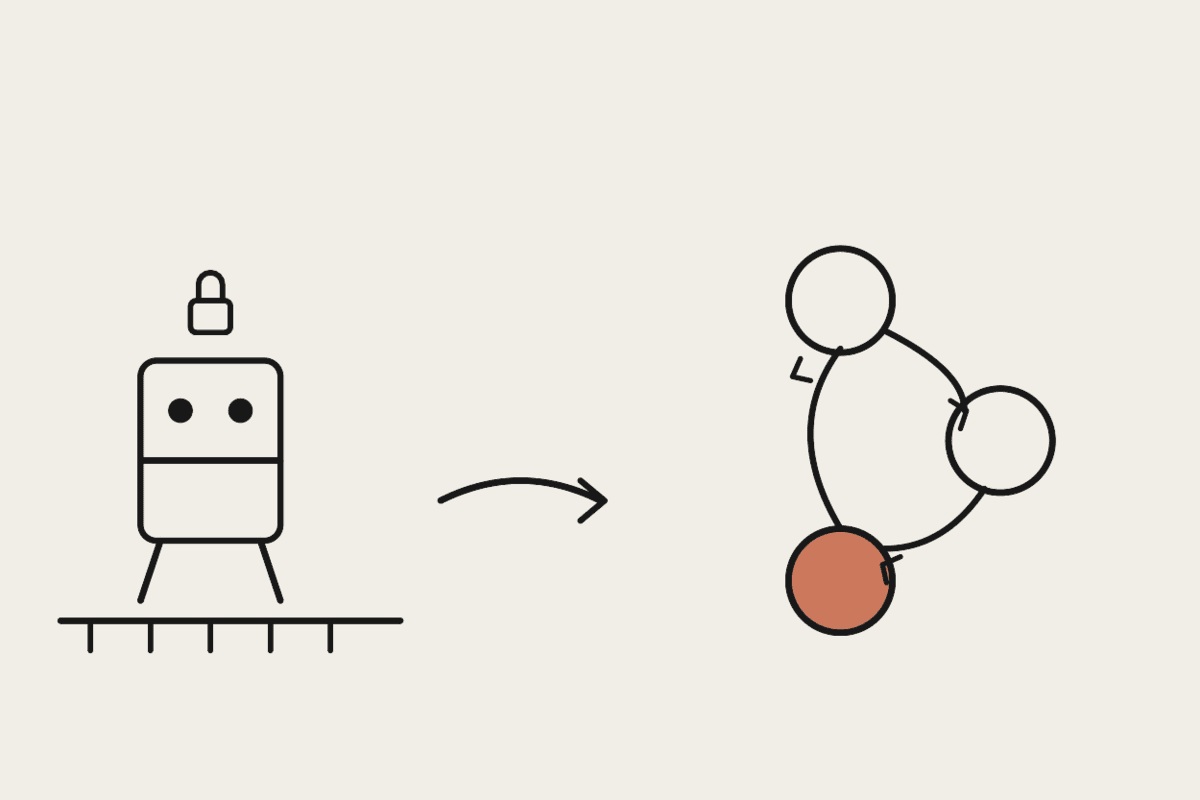
Claude is not a flowchart. It is a reasoning system you hand a goal and a set of tools, and it works out the steps itself. Ask it to read fifty supplier invoices, find the ones that do not match a purchase order, and draft a query email for each, and it makes the judgement calls a fixed rule cannot. It reads unstructured text, weighs context, and adapts when the input is messy.
That flexibility is the whole point. Real business inputs are rarely tidy. A rule-based node breaks the first time a supplier changes their invoice layout. An agent reads the new layout the way a person would and keeps going, which is why judgement-heavy work is where Claude earns its keep.
Where they overlap, and where they don't
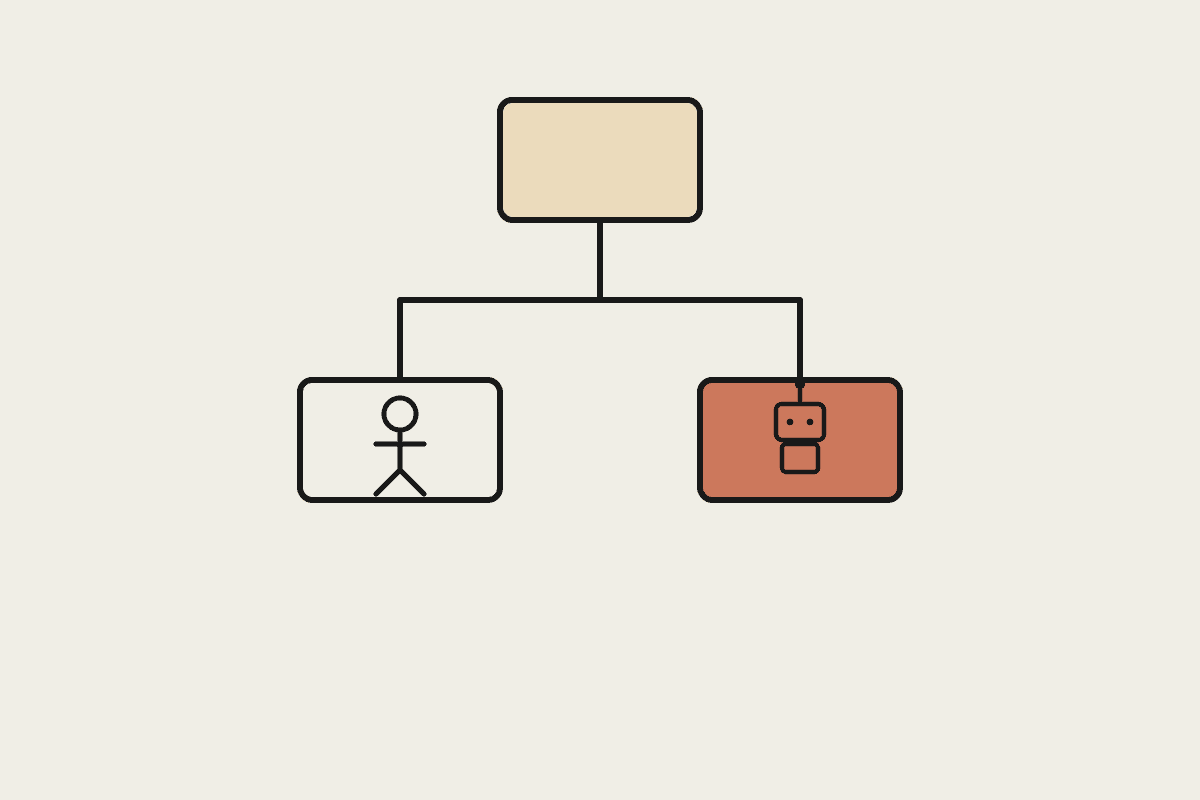
The overlap is smaller than the marketing suggests. A rough split:
Deterministic, structured tasks such as moving a row, sending a templated email, or syncing two systems: n8n wins on cost and reliability.
Judgement-heavy, unstructured tasks such as reading a document, classifying a complaint, or drafting a tailored reply: Claude wins, because no fixed rule covers every case.
Anything that mixes the two: you usually want them working together, not one replacing the other.
The pattern that works: use both
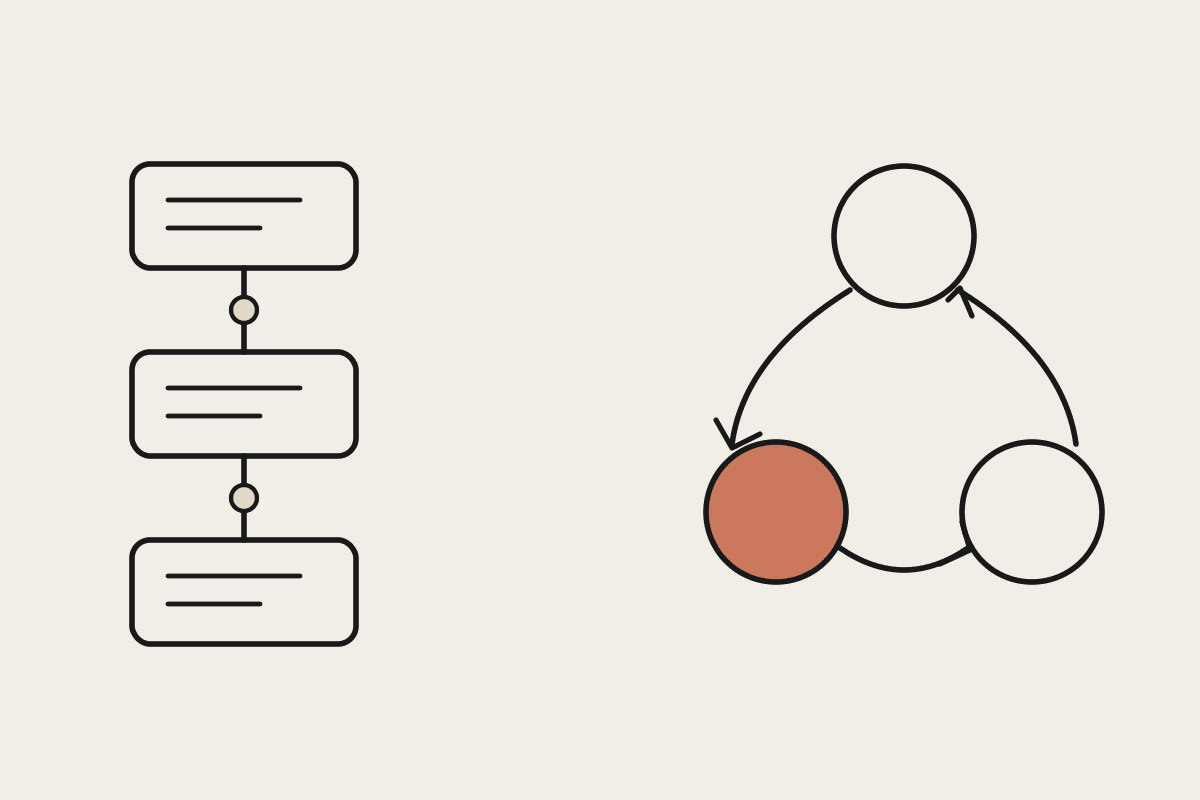
The businesses getting the most value do not pick a side. They let n8n handle the plumbing and give the thinking to Claude. n8n watches the inbox, catches a new invoice, and passes it across. Claude reads it, decides what it is, and returns a clean result. n8n then files that result and notifies the right person. Each tool does the part it is genuinely good at.
This matters for the budget as much as the build. Running every step through an AI model when a simple rule would do burns money for no reason. Running everything through fixed rules means you rebuild the flow every time reality shifts. Splitting the work keeps both your monthly bill and your ongoing maintenance low.
What it costs in practice
Some rough Australian numbers. A self-hosted n8n instance on a modest cloud server runs about $30 to $80 a month. Claude usage for a mid-sized automation, say a few thousand documents a month, typically lands between $200 and $900 a month depending on volume and the model you pick. Build cost is where the real money sits: a proper agent workflow designed, tested, and put into production is usually an $8,000 to $25,000 project, not a weekend job. Set against a junior staff member on $65,000 a year doing the same manual reading, the payback is often under six months.
The mistake we see most often is a business spending $20,000 building an agent to do something a $40-a-month n8n flow already handles. The reverse mistake is forcing n8n to fake judgement it cannot do, then quietly paying someone to clean up its errors every week.
How to choose for your business
Start with one question about the task: does it need judgement, or does it just need to happen reliably? If a clear rule covers every case, reach for n8n. If the input is messy and a human currently reads it before acting, that is a job for Claude. Most real workflows contain both kinds of steps, so map the whole process on paper before you build anything.
If you cannot tell which side a task falls on, that uncertainty is usually a sign the process itself needs a closer look before any tool touches it. That is the part our team helps Australian businesses get right. If you want a second opinion on where Claude, n8n, or a mix of the two fits your operation, book a short call and we will map it with you.