Most Australian law firms still run new client intake through email threads, a paralegal's memory, and a conflict check that happens somewhere between the first phone call and the retainer being drafted. It works until the firm grows, a fee earner goes on leave, or a conflict slips through because nobody cross-checked the opposing party against an old matter. Claude doesn't replace the judgment call a solicitor makes about whether to act. It removes the manual steps around that call: capturing the enquiry, checking it against existing files, and getting a clean summary in front of the right person fast.
The intake bottleneck most firms don't measure
Ask a managing partner how long intake takes and you'll usually get an optimistic answer. Ask how long it actually takes from first enquiry to signed costs agreement, and the number is often five to eleven business days. Some of that gap is client responsiveness. A meaningful chunk of it is internal: an enquiry sitting in a shared inbox, a paralegal manually searching the practice management system for name matches, a partner waiting on a summary before they'll approve the file. None of this shows up as a line item anywhere. It shows up as lost matters, because a client who has waited a week for a reply has usually already called the firm down the street.
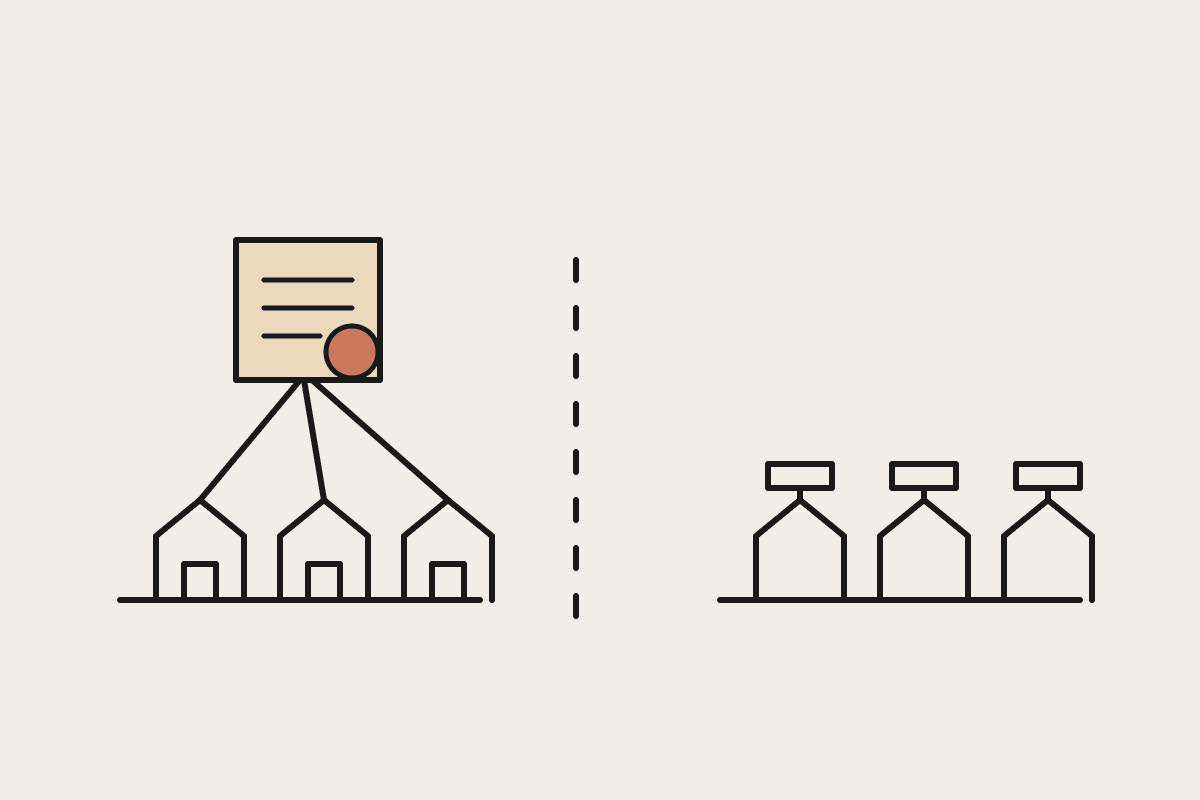
Enquiries land across email, a web form, and the phone, with no single record of what has been asked.
Conflict searches are run by hand against client and matter names, which misses variant spellings and related entities.
Partners get a raw email forward instead of a structured summary of matter type, urgency, and likely value.
Follow-up on quiet enquiries depends on someone remembering to chase them a few days later.
Engagement letters and costs agreements are drafted from scratch for enquiries that are, structurally, very similar to ones handled last month.
What Claude actually automates in the intake process
The pattern that works well doesn't try to make Claude the decision-maker. It sets Claude up as the layer that reads every enquiry the moment it arrives, whatever channel it comes in on, and turns it into a structured record: who is asking, what the matter is, who the other parties are, and how urgent it looks. That record is what gets checked against the firm's existing client and matter list, and it's what lands in front of the responsible partner as a short brief rather than a raw email. The solicitor still decides whether to act. They are just deciding with the full picture in front of them on day one, not day six.
Enquiry capture: email, intake form, and call notes are pulled into one structured record within minutes.
Entity extraction: names, ABNs, related companies, and counterparties are identified for the conflict search.
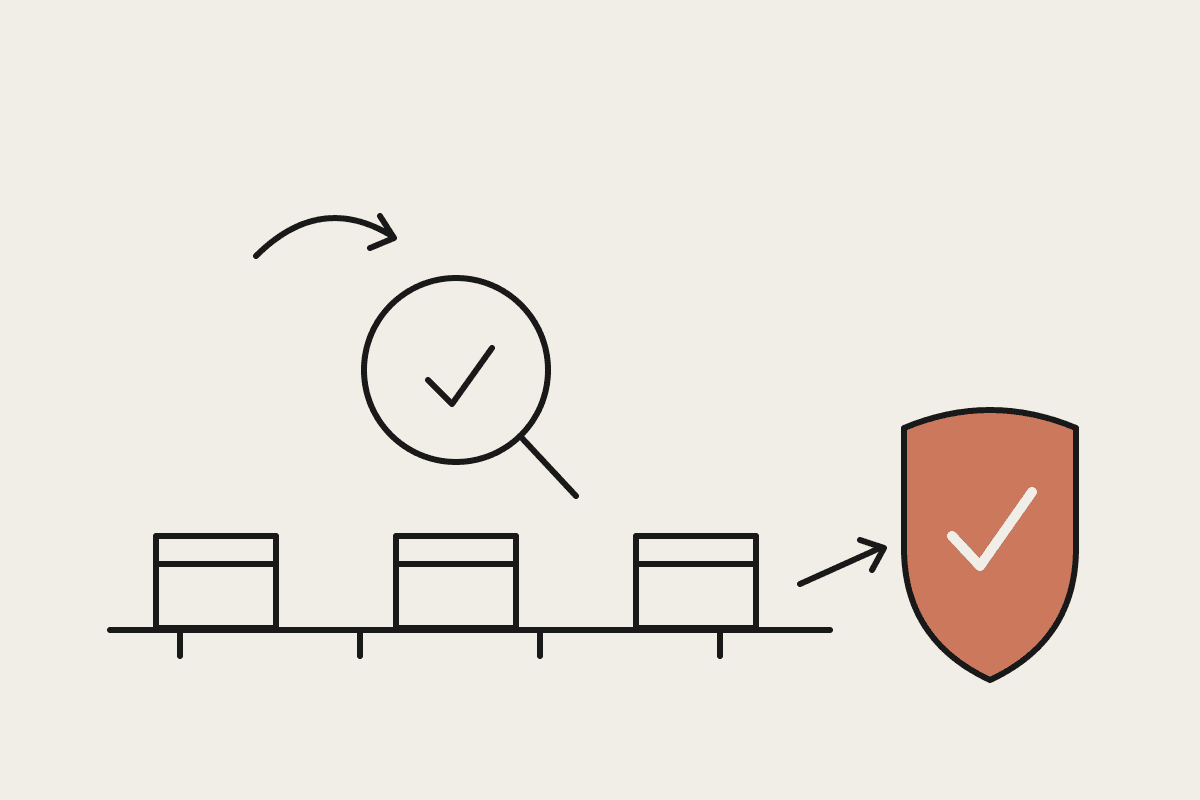
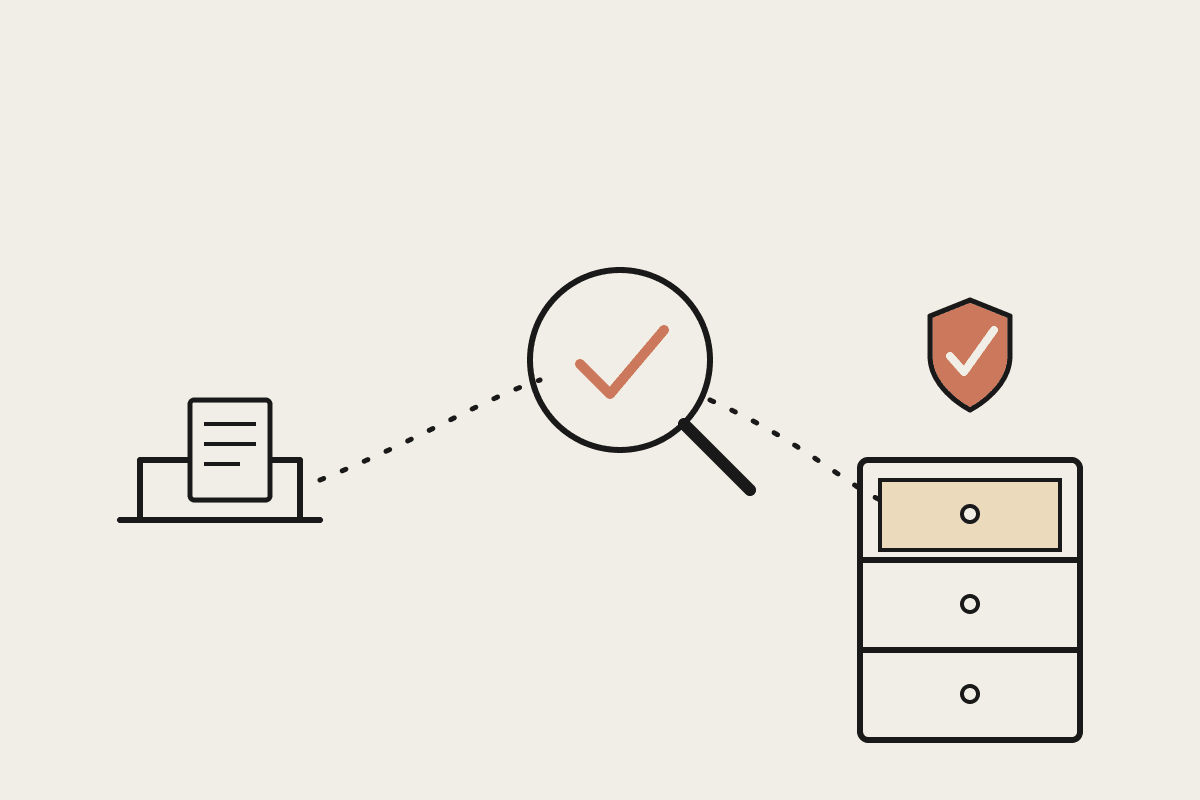
Conflict cross-check: the extracted names are run against the practice management system and flagged for review.
Partner brief: a short summary with matter type, estimated value, and conflict status is routed to the right person.
Engagement drafting: once cleared, a draft costs agreement is assembled from the firm's approved templates for review.
Conflict checks are the step that can't be rushed
This is where firms get cautious, and rightly so. A conflict check that misses a related entity or a former client under a different name is not a productivity problem, it is a professional obligation problem under the Law Society's conduct rules and, for firms handling trust money, additional obligations under the Privacy Act 1988 and, in some cases, AUSTRAC reporting requirements. The automation here is not about Claude deciding there is no conflict. It is about making sure every enquiry actually gets checked, consistently, against the full client list, including spelling variants and associated entities a tired paralegal might miss at 5pm on a Friday. The solicitor still signs off. What changes is that the check happens every single time, in minutes, with a documented trail rather than a memory of having looked.
What this looks like at a mid-size Sydney firm
A 14-partner commercial firm in Sydney rebuilt its intake process around this pattern earlier this year. Before the change, a new enquiry took an average of nine days to reach a signed engagement letter, and the firm estimated it was losing roughly two new matters a month to slow response times. After moving enquiry capture, conflict cross-checking, and first-draft engagement letters onto Claude, with a paralegal reviewing every output before it goes anywhere near a client, average time to engagement dropped to under three days. The firm's own estimate of the value of matters recovered from faster response, plus the fee-earner hours no longer spent on manual conflict searches, comes to around $145,000 a year. None of the conflict decisions or client-facing communication happen without a person reviewing them first.
Getting started without disrupting fee earners
The firms that get this right start narrow. Pick one intake channel, usually the general enquiries inbox, and automate the capture and conflict cross-check for that channel only, for one practice group, for a month. Keep every output as a draft that a paralegal or junior solicitor reviews before it reaches a partner or a client. Measure the actual time saved and the error rate against the manual process it replaces. Only once that is proven does it make sense to add the web form, the phone intake line, and other practice groups. Firms that try to automate everything on day one usually end up rolling half of it back within a quarter.
If slow intake is quietly costing your firm matters each month, it is worth mapping out where Claude fits into your existing practice management system before committing to anything. Book a short session with Automata AI to talk through your intake process and where the highest-value first step is.