CodeMender is Google's AI security agent that reads code, finds vulnerabilities, and proposes fixes for a human to review. It was one of the louder announcements in the wave around Google I/O 2026, and the dust has settled enough to judge it on its merits rather than the launch slide. Plenty of Australian owners and engineering leads are now asking the same question: does this change how we run security, or is it one more tool to wire in carefully? This guide keeps it practical, with the trade-offs that actually affect the decision.
What CodeMender actually does
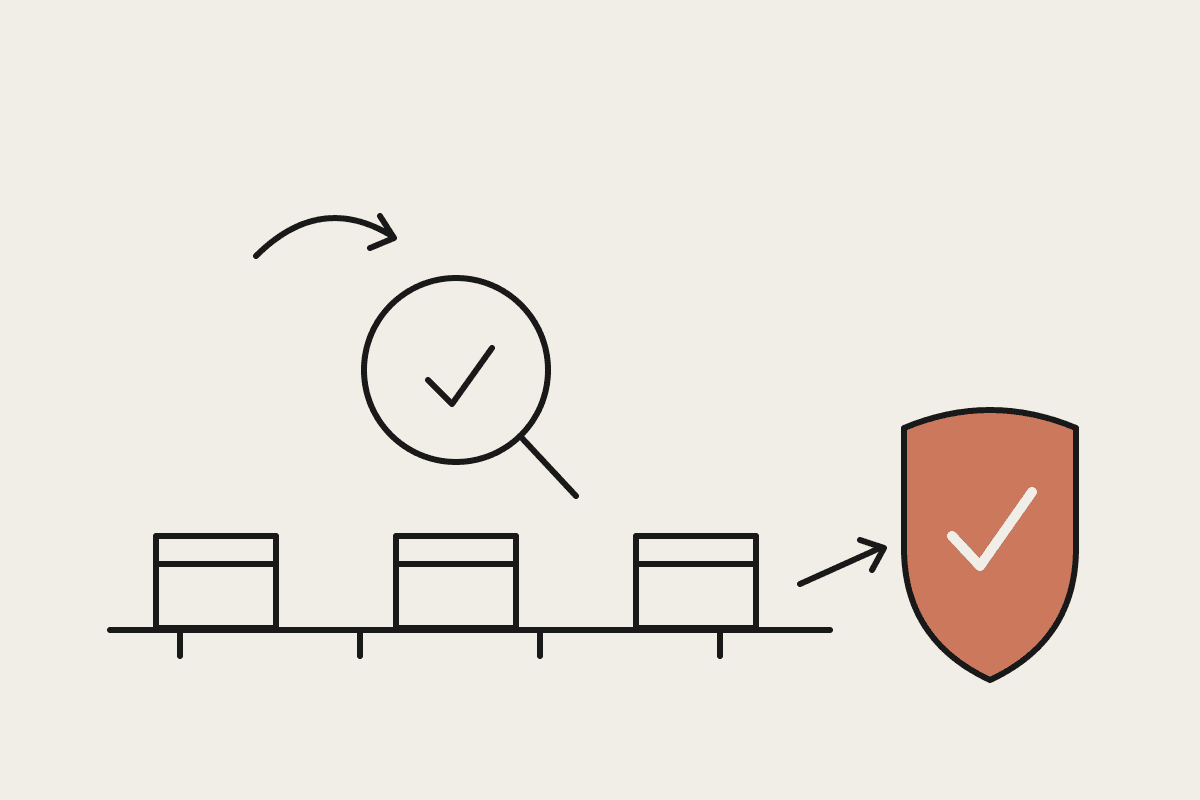
Stripped of the marketing, CodeMender is an automated reviewer. It scans a codebase for known classes of vulnerability, suggests a patch, and hands that patch back to a developer to accept, edit, or reject. Think of it as a tireless extra set of eyes on every pull request rather than a security team in a box.
Detects common vulnerability patterns such as injection flaws, unsafe input handling, and dependency risks.
Drafts a proposed fix and explains the reasoning behind it.
Adds automated coverage to code review so issues surface earlier, before they reach production.
Why an extra automated reviewer helps
Security review is one of the hardest roles to staff in Australia. Senior application security engineers in Sydney and Melbourne are scarce and command day rates that put a dedicated hire out of reach for most small and mid-sized teams. An agent that catches a share of issues automatically buys back attention for the work that genuinely needs a human.
Coverage on every change, not just the pull requests a reviewer has time to read closely.
Faster triage of well-understood issues, so people focus on the ambiguous ones.
A safety net for thinly staffed teams that cannot run a formal review on every commit.
Where it falls short
An automated agent is an aid, not a replacement for security practice and human judgement. It will miss things, and it will occasionally propose a fix that looks right and is subtly wrong. The failure mode that hurts is not the bug it misses, it is the confident patch a tired team merges without checking.
Verify every proposed fix before it touches anything that runs in production.
Keep humans owning the security decision, especially on authentication, payments, and data handling.
Do not read silence as safety. No findings does not mean no vulnerabilities.
How this fits an Australian security obligation
For an Australian business the question is not only technical, it is about obligations. Under the Privacy Act 1988 and the Notifiable Data Breaches scheme, a serious breach involving personal information has to be reported, and the cost lands fast. A single serious vulnerability that leads to an incident can run well over $200,000 once you add incident response, legal advice, customer notification, and lost time. APRA-regulated entities carry a higher bar again under CPS 234, where the board is accountable for information security. Against numbers like that, an automated reviewer that costs a few thousand dollars a year is cheap insurance, provided you treat its output as a draft.
Add AI security review as one layer in a defence, never the whole defence.
Map findings back to your obligations under the Privacy Act and, where relevant, APRA CPS 234.
Budget for the human review time the tool creates, not just the tool licence.
Claude or Gemini for security review work
CodeMender sits inside Google's ecosystem, so a fair question for Australian teams already weighing models is how it compares to running the same review with Claude. The honest answer is that both can read code and reason about vulnerabilities well. The difference that matters in regulated Australian work is governance: how tightly you can scope what the agent touches, how it behaves when asked to act outside its remit, and how repeatable the process is across vendors.
Prefer the model and setup where approval gates on costly or irreversible changes are built in, not bolted on.
Avoid wiring your security review to a single vendor's proprietary format if you can keep prompts and logic portable.
Judge on real results in your codebase, not a benchmark score from a launch event.
Getting the rollout right
Most problems here come from skipping verification and over-trusting autonomy. Build the checks in early and the rest of the work gets safer and faster, and your team spends less time cleaning up after a confident mistake. A sensible first 30 days looks less like a big switch-on and more like a quiet trial on a low-risk service.
Start in a contained, low-risk environment on a non-critical repository.
Verify output before it touches anything live, with a named human on the approval.
Keep approval gates on costly or irreversible actions.
Log prompts and changes so the work is repeatable and auditable.
Common mistakes to avoid
Letting an agent act without approval gates on anything sensitive.
Shipping a generated fix without a verification step.
Hard-wiring prompts and logic to one platform with no exit.
Assuming a benchmark score predicts real results on your code.
Granting an agent more access than the task in front of it needs.
Key takeaways
If you remember nothing else about CodeMender and AI security review for your Australian business, hold on to these points.
CodeMender finds vulnerabilities and proposes fixes, as an extra reviewer, not a replacement for security practice.
The real risk is over-trust, so verify every automated fix and keep a human on high-stakes work.
Tie the tool to your Privacy Act and APRA obligations, and review the choice as the models change.
Automata AI is a Sydney-based consultancy that helps Australian businesses put Claude to work safely, including agentic code review that keeps humans in control. If you are weighing CodeMender, Claude, or a mix of both, book a short brainstorm and we will map the fastest safe path to value for your team.