MiniMax M3 and several other models now advertise a one-million-token context window, and on a spec sheet the feature reads as a free upgrade. In production it is nothing of the sort. Every token you load into that window costs compute, and at scale those costs compound into a real line on your monthly bill. For an Australian business deciding what to build, the sensible move is to understand the true price before you design around the headline number, because the gap between the marketing claim and the invoice is where budgets quietly disappear.
Why long context actually costs money
A bigger window does not sit idle. The model processes everything you put in front of it on every request, so the cost rises with the size of the input rather than the size of the window you paid for.
Memory use climbs sharply as the context window fills, which pushes up the hardware you need
Latency grows with every extra token the model has to read before it answers
Self-hosted setups need larger, pricier GPUs to hold a full window in memory
API pricing almost always scales with the number of tokens processed
The window is only free until you use it. The moment you start feeding it long documents, each request is paying for that capability, whether or not the extra context improves the answer.
When the spend is genuinely worth it
Long context earns its keep on a specific set of jobs, the ones where the model truly needs the whole input in view at once and splitting it would do real damage to the result.
Reviewing a large contract or an entire codebase in a single pass
Summarising a long Australian regulatory document from end to end
Holding a full project history so an agent can reason across the whole task
Any case where chunking the input would lose important cross-references
On these tasks the large window is not a luxury. It is the difference between a usable answer and one that misses the connection buried on page forty of a contract nobody had time to read in full.
The hidden cost of using it by default
The trouble starts when long context becomes the default setting rather than a deliberate choice. Most small and mid-sized business tasks fit comfortably inside a small fraction of a million tokens. A quote, an email, a support reply, or a short report rarely needs the full window.
Paying for capacity you never fill is pure waste. For a busy team running thousands of requests a month, defaulting to a giant context can add around $20,000 a year in unnecessary compute or token spend, with no measurable lift in output quality. That is money that could have funded an actual automation project instead.
Measure the real token size of your typical tasks before you choose a model
Use retrieval to feed the model only the material each task needs
Reserve the long window for the rare jobs that genuinely require it
A quick worked example
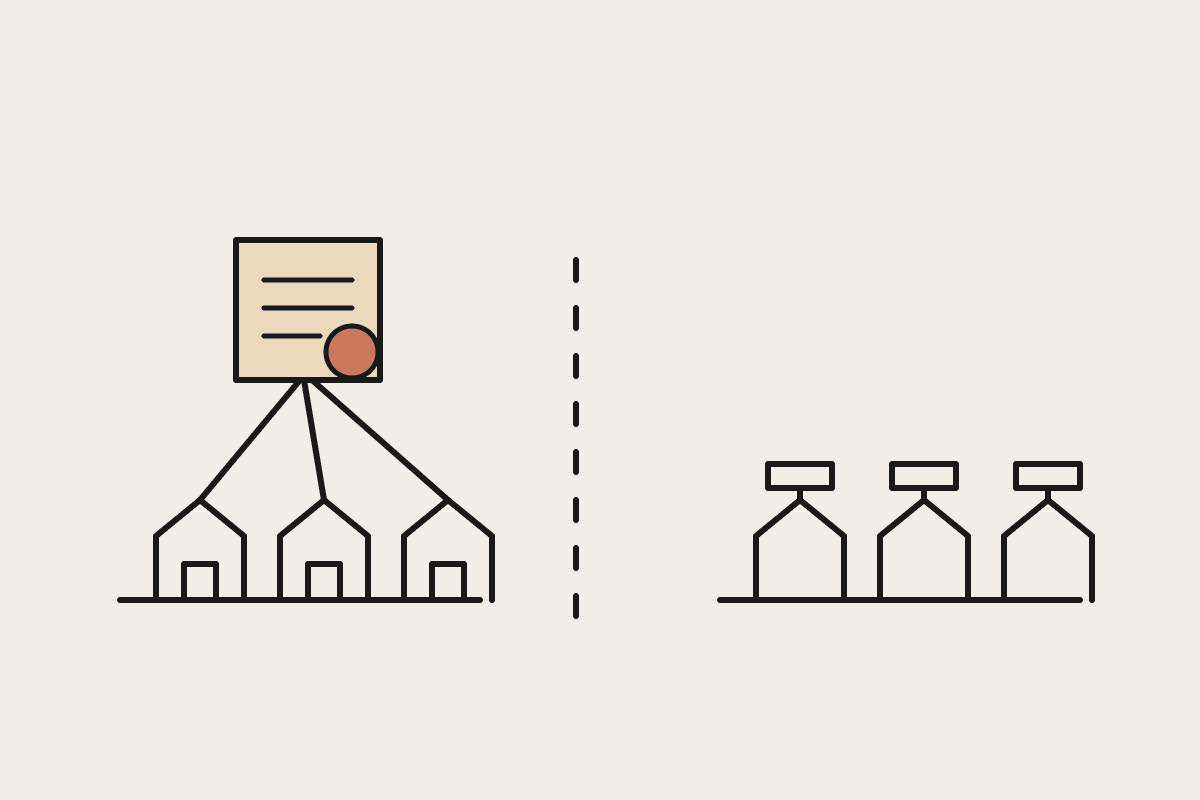
Picture a Sydney services firm running 5,000 AI requests a month. A typical request needs perhaps 4,000 tokens of real context: the customer message, a few reference passages, and the instruction. If the team instead loads 200,000 tokens by default, because the big window is there and nobody trimmed the prompt, every request now carries fifty times the input it actually needs.
The useful work is identical, so the quality of the answer does not improve
The token bill, however, climbs in direct proportion to the waste
Over a year that gap is the difference between a modest spend and a five-figure one
This is why we start every build by measuring real token sizes rather than trusting a default. The number almost always comes back far smaller than teams expect, and that single fact reshapes the whole cost case.
How to compare providers without getting fooled
Token pricing pages are designed to look simple, but the cheapest headline rate is not always the cheapest result. A model that needs the whole document loaded to stay accurate can cost more than a model that works well with a focused, retrieved prompt.
Compare cost per completed task, not cost per token
Factor in how much context each model needs to reach the same quality
Include the engineering time that a self-hosted long-context setup demands
For an Australian SMB, that fuller comparison usually points to a managed model with a sensible context budget rather than the largest window on the market.
A practical way to size context to the task
The cheapest long-context bill is the one you never run. A little discipline up front keeps a headline feature from quietly turning into a recurring cost.
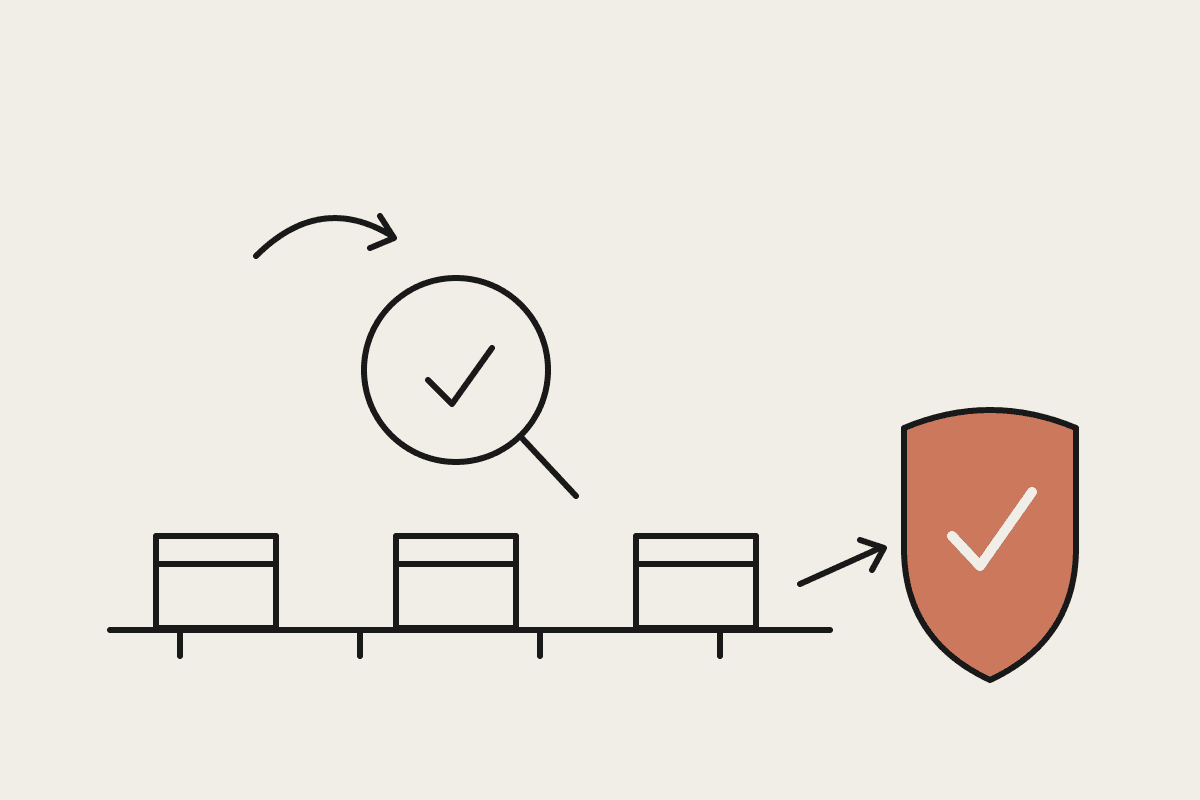
Profile a week of real requests and record how many tokens each one actually uses
Build a retrieval layer so the model sees the relevant passages rather than the whole archive
Set the full window aside for the occasional contract or codebase that truly demands it
We size the context to the task so you pay for what you use, not for a number on a marketing page, and we keep Claude as the baseline for everyday work because its reliability holds up once the novelty of a giant window wears off. If you want a plain costing of what long context would mean for your workload, book a brainstorm and we will run the numbers with you.