Ask most Australian business owners what customer service automation means and they picture a chatbot. A small widget in the corner of the website that answers three questions and quietly hands everything else to a human anyway. That mental model is exactly why so many automation projects disappoint. The chatbot is the most visible part of customer service automation, and also the least valuable.
The work that actually drains a support team happens out of sight. Reading a message and working out what it is really about. Finding the order, the invoice, the past conversation. Drafting a reply that sounds like a person wrote it. Sending the hard cases to the right specialist. Following up when a customer goes quiet. None of that is a chatbot. All of it can be handled, or half-handled, by Claude working behind the tools your team already uses.
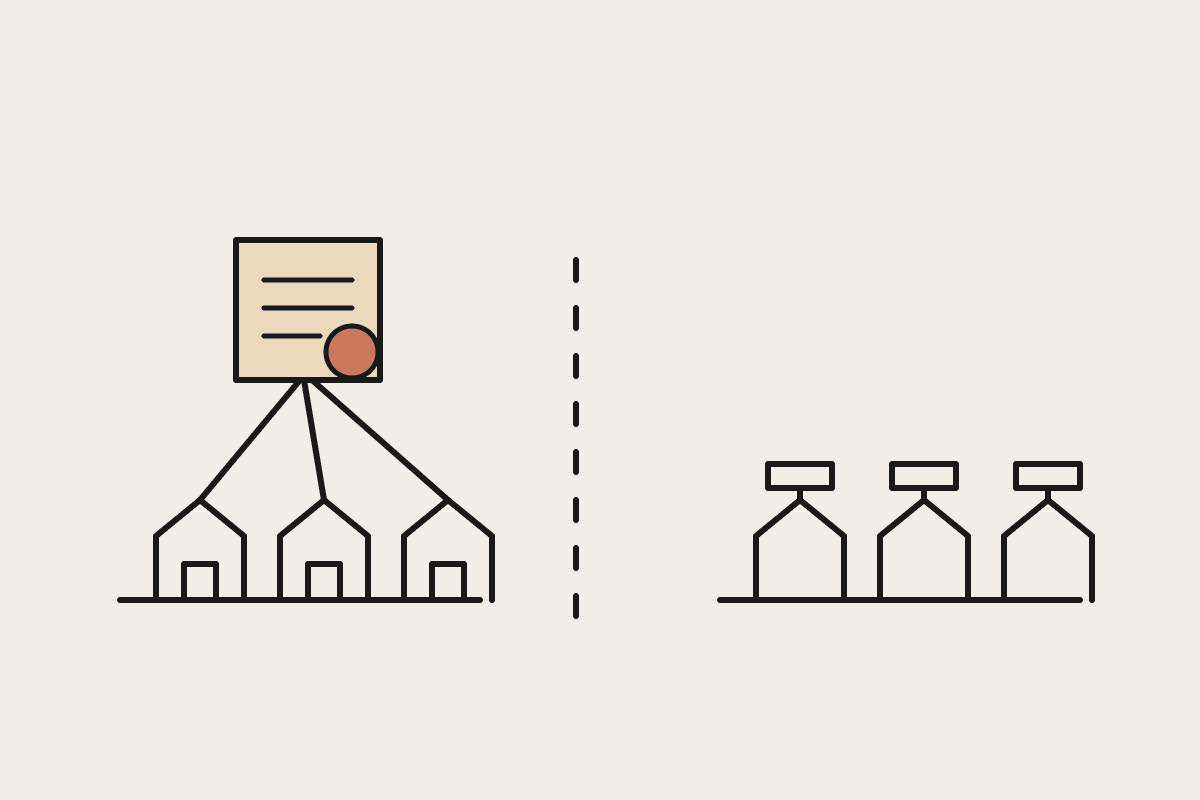
The chatbot is a front door, not the house
A public chatbot deflects the simplest questions: opening hours, where is my order, how do I reset my password. Useful, but it barely touches the salary line. A support agent in Australia costs roughly $65,000 to $85,000 once you add on-costs, tools and management. A team of four sits near $300,000 a year. A chatbot that answers 20 to 30 percent of the easy questions does not move that number much, because the easy questions were never the expensive part.
The cost lives inside the tickets that still reach a person, where average handling time runs eight to twelve minutes and most of that is reading, searching and typing rather than deciding. Shorten that, and you change the economics of the whole desk. A chatbot on its own cannot, because it only ever sees the messages a human was never going to touch.
What actually moves the needle
The gains come from automating the invisible middle of a support workflow. These are the pieces worth building first:
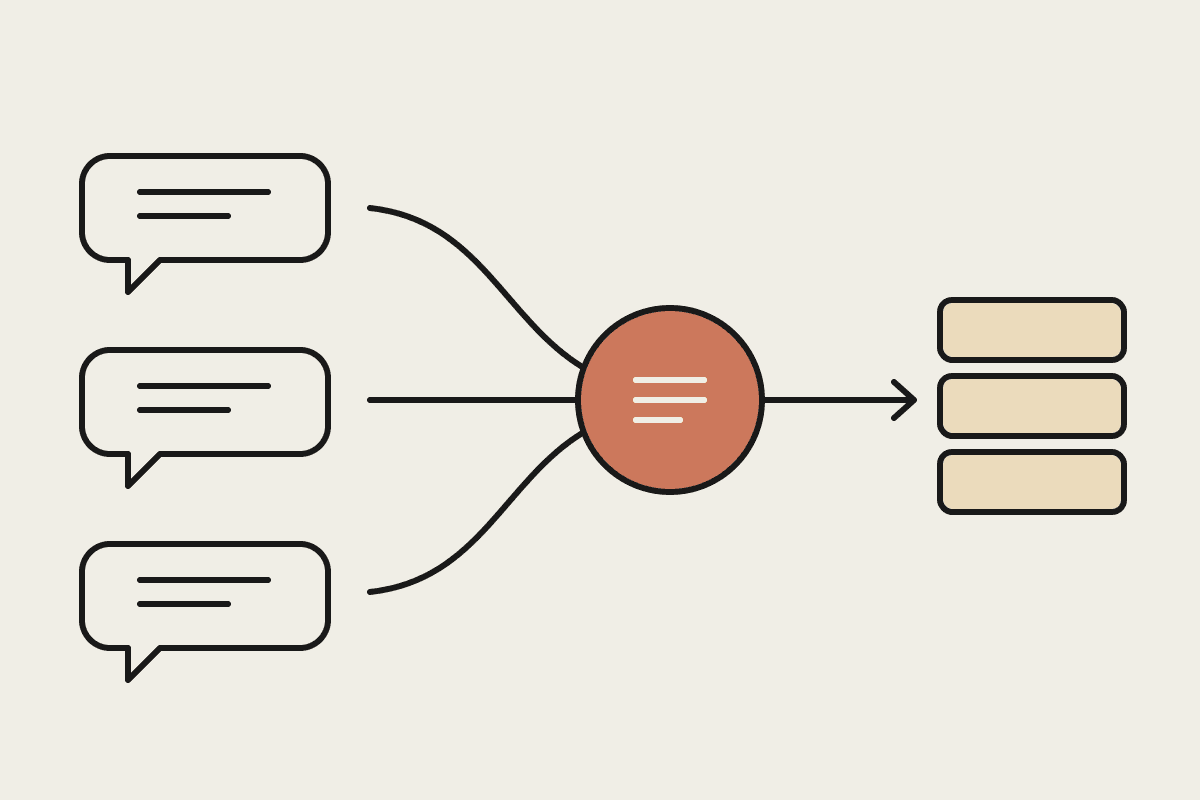
Triage and tagging. Claude reads each incoming email or ticket and classifies it by type, urgency and sentiment, so it lands in the right queue before anyone opens it. An angry billing complaint no longer waits behind a routine password query.
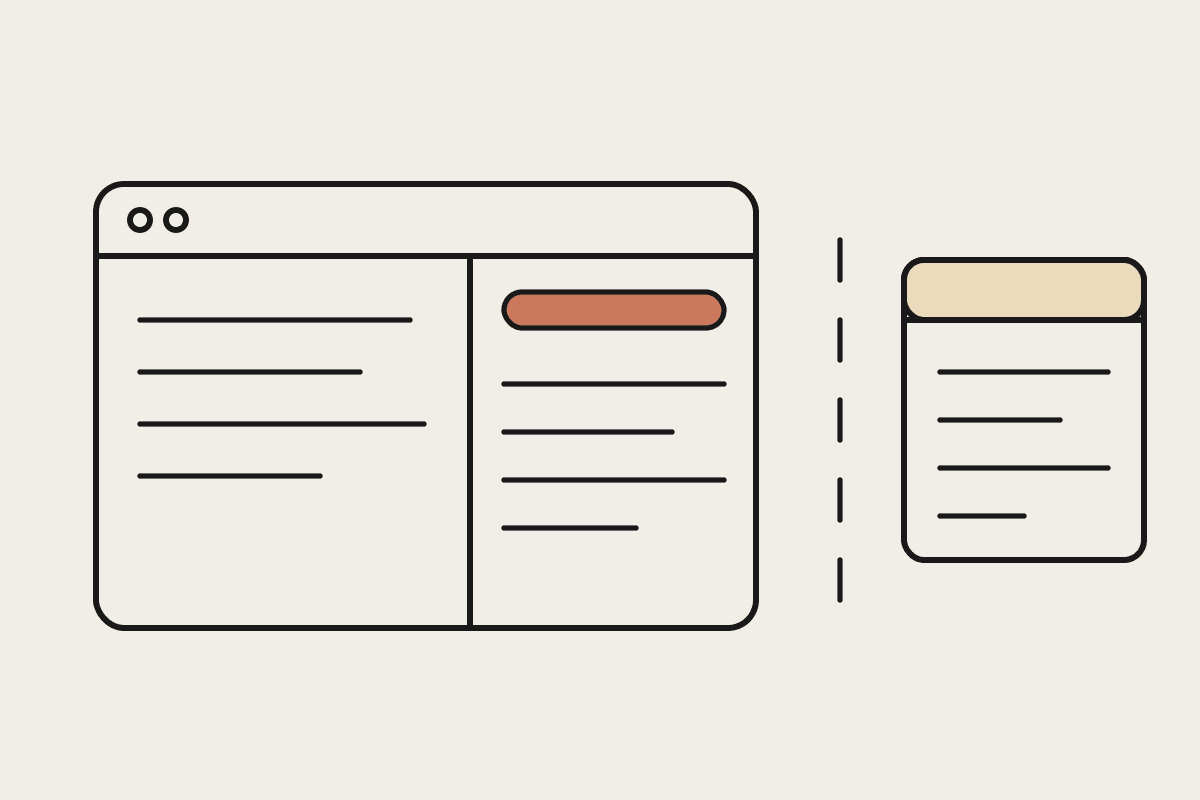
Drafted replies, not auto-sends. Claude writes a suggested response using your knowledge base and the customer's history. The agent reads it, adjusts a line, and sends. Handling time falls without handing control to a machine.
Knowledge retrieval. Instead of an agent hunting through a 200-page policy document, Claude surfaces the exact clause that applies, with a reference the agent can check in seconds.
Follow-up and chasing. Claude drafts the second and third touch for tickets that have stalled, so a slow reply from the customer does not turn into a lost one.
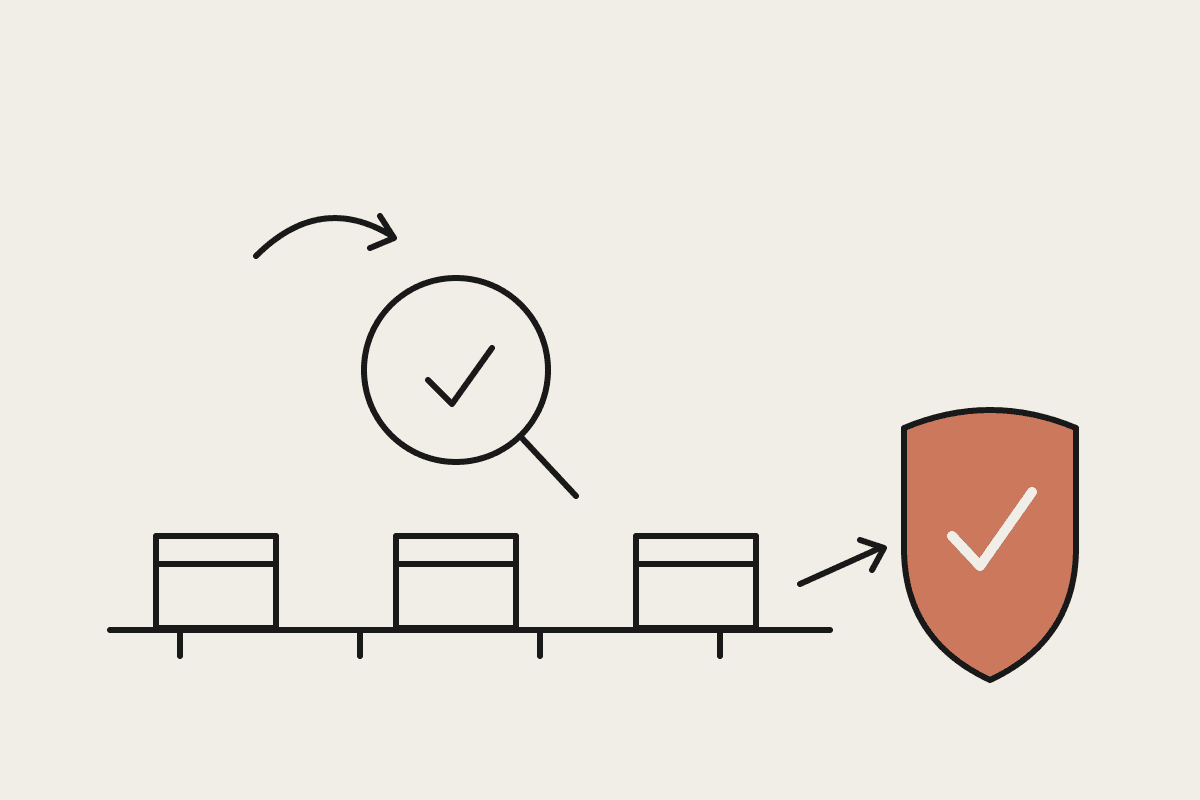
Quality review. Claude reads a sample of closed tickets each week against your tone and policy, and flags the handful worth a manager's attention rather than a full manual audit.
You do not need all five on day one. Two of them, done well, usually pay for the whole project. Triage plus drafted replies is the common starting pair because they touch every ticket, not just the easy ones.
The Australian context you cannot skip
Customer conversations are personal information under the Privacy Act 1988, and support transcripts often carry more sensitive detail than a marketing database ever would. Any system that reads those conversations needs a clear answer to three questions: where does the data go, who can see it, and how long is it kept. Claude does not train on the content you send through the Anthropic API, which is usually the first thing a privacy officer wants to confirm. The rest comes down to your own retention settings and access controls.
There is also a conduct angle. The ACCC has been clear that a business is responsible for what its automated systems tell customers. If a bot promises a refund your policy does not allow, that is the company's problem, not the software's. For a financial services desk, AUSTRAC obligations add another reason for care. All of this is the strongest practical argument for the draft-and-review pattern over full auto-send, at least while a team builds confidence in the system and can see what it would have said.
What it costs, and what it returns
A grounded rollout for a small Sydney support team is not a $250,000 enterprise platform. It is a few weeks of design and integration, usually $15,000 to $45,000 depending on how many tools need to connect, plus Claude usage that lands in the tens to low hundreds of dollars a month for a team handling a few thousand tickets. That is the whole bill for most small and mid-sized businesses.
Set that against a $300,000 salary line. Taking 30 percent out of handling time is worth roughly $90,000 a year in recovered capacity. The honest framing is not that you cut staff. It is that the same team handles more volume, and your most experienced people spend their hours on the calls that need judgement instead of copying a policy paragraph for the hundredth time.
Where Claude fits, and where to start
Claude, built by Anthropic, suits this work for two plain reasons. It holds a long context, so it can read a full ticket history and the relevant policy in one go rather than losing the thread. And its drafts read like a person wrote them, which matters when the reply carries your brand. Those two traits are what separate a helpful assistant from an autocomplete box.
Start narrow. Pick one queue, run Claude in draft-and-review mode for two weeks, and measure handling time before and after with the same team. If the numbers hold, widen it one queue at a time. That is a far safer path than buying a platform and hoping the whole desk adapts at once.
If your support desk is the bottleneck, the fastest win is rarely a chatbot. It is Claude reading, sorting and drafting behind the scenes while your people stay in charge of what gets sent. If you want to map which of your queues would benefit first, book a short brainstorm and we will walk through it together.