An open-source proxy released in a developer community claims to cut Claude Code bills by more than half, by rendering bulky text into images before it reaches the Anthropic API. The numbers being shared are eye-catching, the technique is clever, and the catch is real. Here is what Australian engineering teams should take from it.
First, provenance. The tool is called pxpipe, published on GitHub by its author, and it runs locally between Claude Code and the API. Every figure in this article is community-reported by the tool's developer. None of it has been independently verified, so read the numbers as claims to test in your own environment rather than as benchmarks.
Where the money actually goes
Claude Code bills on tokens, and the quiet cost driver is repetition. Every request re-sends your system prompt, tool definitions and conversation history as text. A single dense tool result, such as a large file read or a long test log, can burn tens of thousands of tokens on its own. Agentic sessions make this worse because the agent keeps re-reading files and re-running commands, so the same content gets paid for again and again across a long session.
The bills add up. For an eight-person Sydney development team running Claude Code on real work daily, API spend of $3,000 to $8,000 a month is not unusual once agentic workflows bed in. That is why cost governance keeps coming up in our client conversations, and why a tool promising half-price runs travels fast.
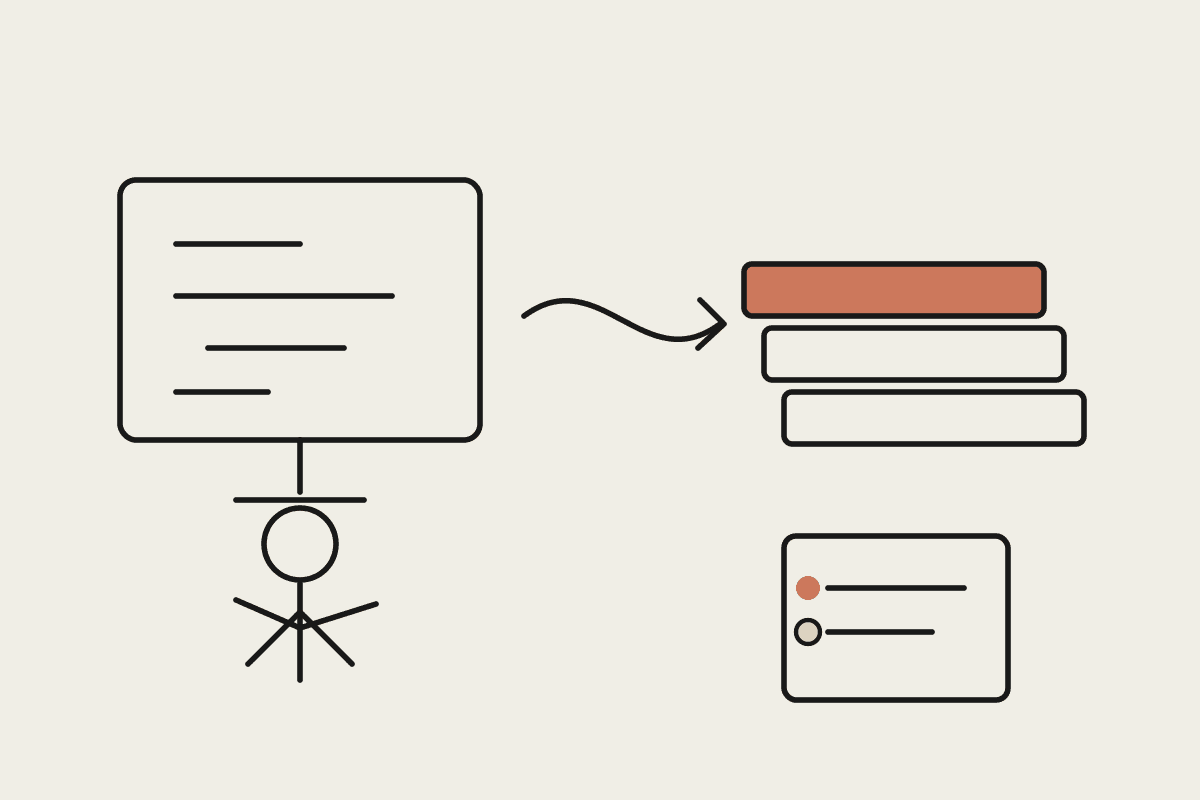
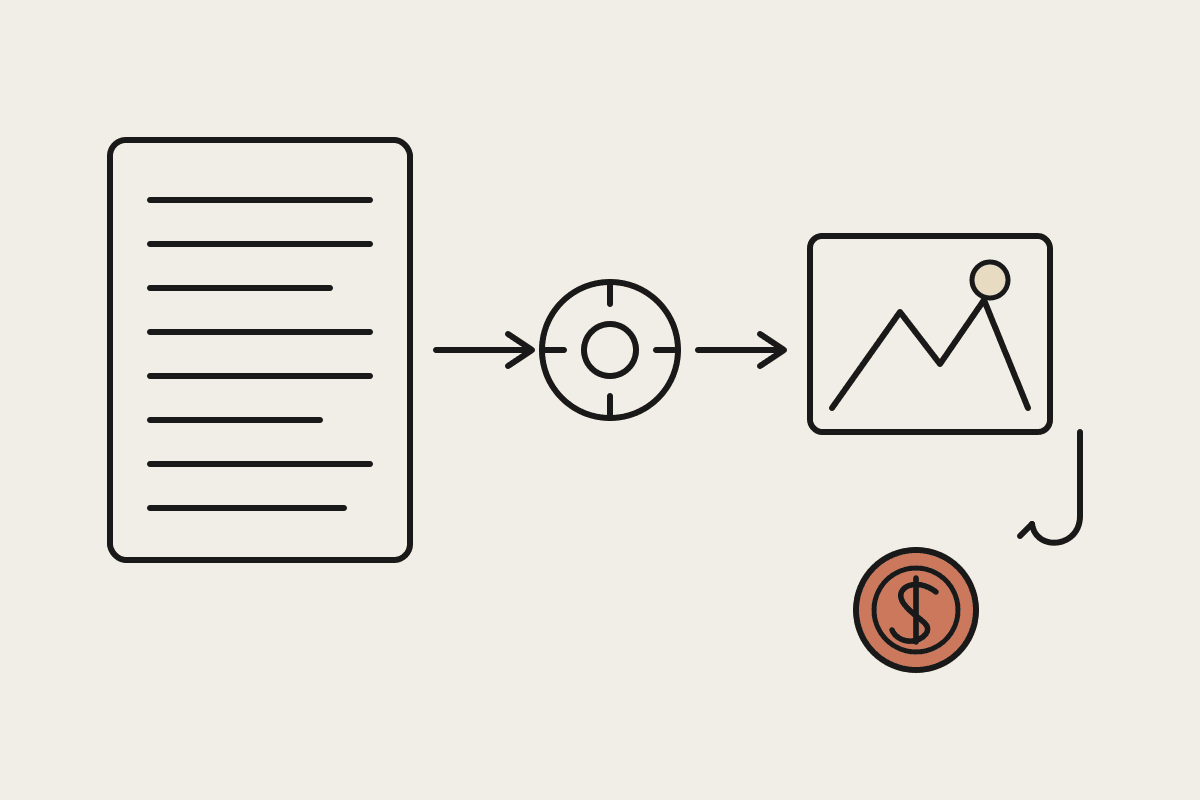
The proxy exploits a quirk in how multimodal models are priced. Image tokens are billed by pixel dimensions, not by how much text the image happens to contain. Render a 92,000-token wall of text into a fixed-size PNG and the model reads much the same information for a fraction of the token count. pxpipe intercepts outgoing requests, converts the bulky parts to images automatically, and forwards the lighter request.
The reported numbers
The author reports four headline results:
A dense tool result dropping from roughly 92,000 text tokens to about 4,761 image tokens once rendered as a fixed-size PNG.
An end-to-end run of about 13,700 requests falling from around US$100 to roughly US$41 in API charges.
On SWE-bench Lite, identical task completion in both arms (10 of 10) at about half the cost.
Gist recall of decisions, values and file paths holding at 98 of 98, with no reported loss of meaning.
Those are striking figures. They are also self-reported by the person who built the tool, measured on their own workloads. Until an independent party reproduces them, the honest summary is: promising, unverified.
The catch
The technique is lossy, and the failure mode is the worst kind: silent. Exact strings such as hex IDs, hashes, API keys and other secrets are not byte-safe when read back from an image. The developer reports verbatim recall of 12-character hex strings at 13 of 15 on Claude Fable 5 and 0 of 15 on Claude Opus. A misread does not throw an error. The model simply returns a confident wrong answer.
That distinction matters. A coding agent that re-reads files before editing can tolerate a fuzzy memory of earlier context. A workflow that must round-trip an exact invoice number, customer identifier or credential cannot. If your Claude Code sessions ever touch financial identifiers, personal information covered by the Privacy Act, or anything an APRA-regulated client would care about, a lossy compression layer between you and the model is a risk you did not need to take.
There are two further caveats. Performance is model-dependent, reported strong on some Claude models and materially worse on others, with an opt-in error rate the author puts near 7% on the Opus family. And the entire saving exists because of how image tokens are priced today. Anthropic can change that pricing at any time, and the arbitrage disappears overnight.
The durable cost levers
Token cost on Claude Code is real and worth governing. The levers that keep working regardless of pricing changes are less exotic:
Prompt and tool-definition hygiene, so every request stops shipping instructions nobody uses.
Scoping context deliberately instead of letting whole files and logs flow into every turn.
Prompt caching for the stable parts of your setup, which Anthropic prices at a steep discount.
Routing work to the right model, keeping the expensive one for the problems that need it.
A team that does those four things well typically saves more than any proxy trick, and none of it breaks when a pricing table changes. We have seen Australian firms trim five figures a year, in some cases $45,000 or more, from AI spend through configuration and workflow design alone.
The Automata AI take
pxpipe is an interesting experiment for a sandboxed coding loop where every file gets re-read anyway and nothing secret transits the proxy. Measure it in a lab if you are curious, with your own workloads and your own recall tests. Do not make it a production default, and never put it in front of workflows where a silent misread becomes a wrong payment, a wrong record or a compliance question your board has to answer.
If you want cost governance around your Claude rollout that is measured, safe and built for how your team actually works, book a brainstorm with Automata AI and we will map it for you.