Most Australian business owners can tell you what a new software subscription costs to the dollar. Far fewer can tell you what it costs to keep doing the work by hand. That second number, the price of leaving a manual process untouched, is what we call the do-nothing cost. It never appears on an invoice, so it rarely gets counted, and that is exactly why it grows.
Before you spend a cent on automation, it helps to put a real figure on the admin your team already carries. Once you can see the number, the decision about what to fix first stops being a guess. The point of this exercise is not to make anyone feel bad about how the work gets done today. It is to give the business a baseline it can measure against, so any change you make can be judged against a cost you already understand.
The invisible line item
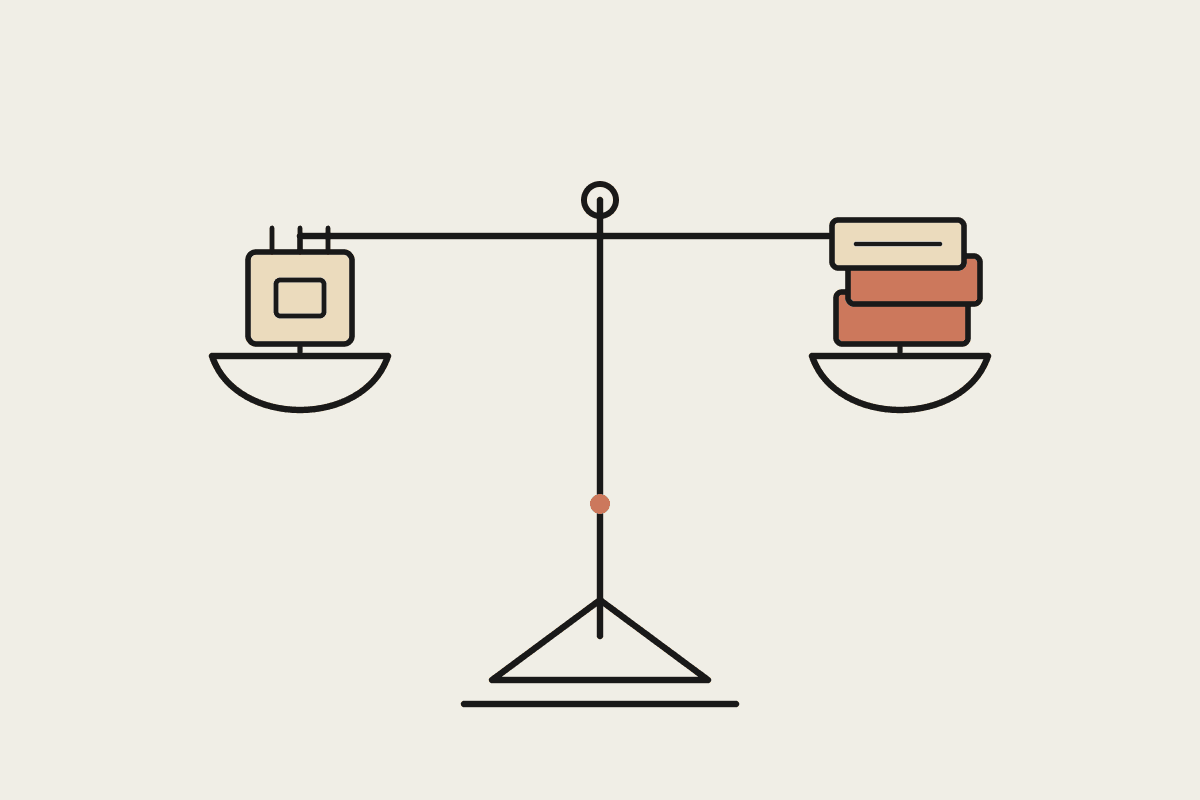
The do-nothing cost is the ongoing wage, error and delay expense of a process that a business chooses not to change. It hides in plain sight because the people absorbing it are already on the payroll. When a bookkeeper re-keys the same supplier invoice into three systems, nobody sends a bill for the extra twenty minutes. The cost is paid in salary that could have bought something more valuable.
Manual admin tends to pool in a few predictable places:
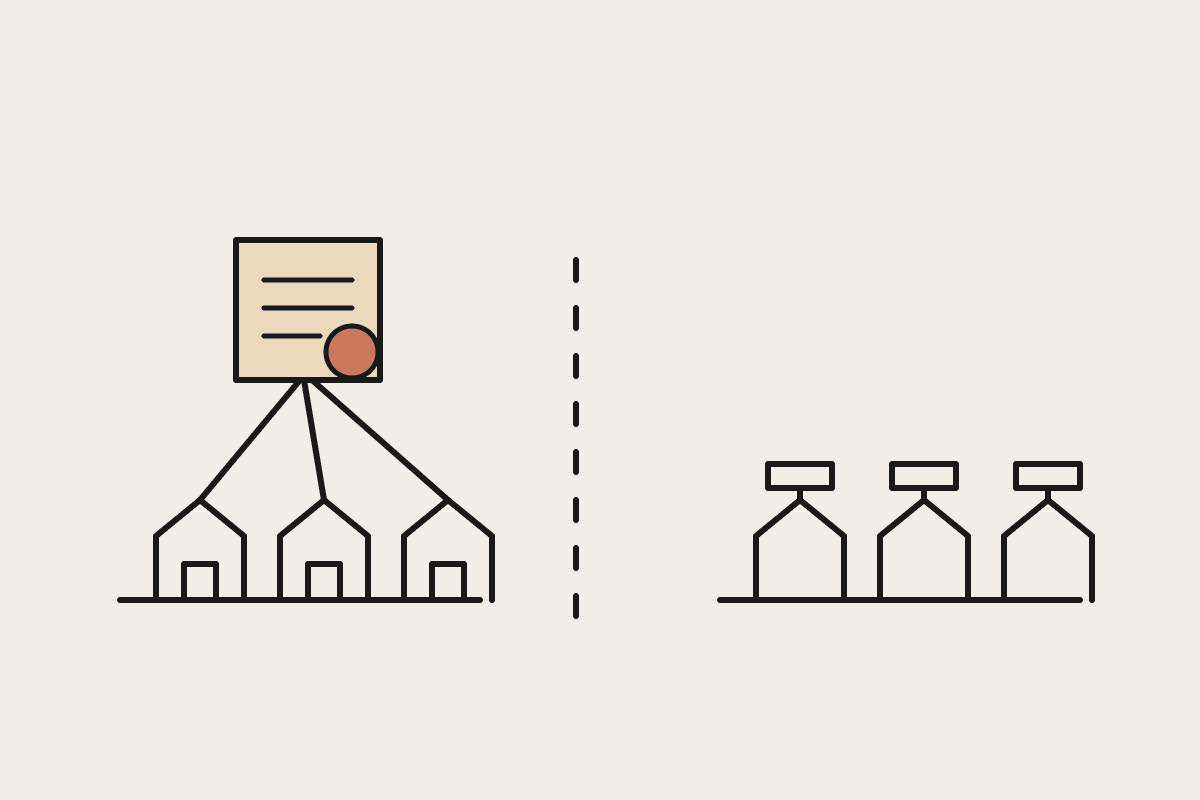
Re-entering the same data across email, a CRM and an accounting system
Sorting and triaging inbound email and quote requests by hand
Building quotes, invoices and statements from scratch each time
Assembling weekly or monthly reports by copying figures between spreadsheets
Chasing the status of jobs, approvals and payments across the team
None of these tasks are hard. That is what makes them easy to ignore. Each one only takes a few minutes, and the few minutes are what add up to a full salary over a year.
A worked figure
Put some rough numbers against it. Imagine a five-person team where each person loses about six hours a week to manual admin. Use a loaded hourly rate of $45 to cover wages plus on-costs like superannuation, and count 46 working weeks after leave.
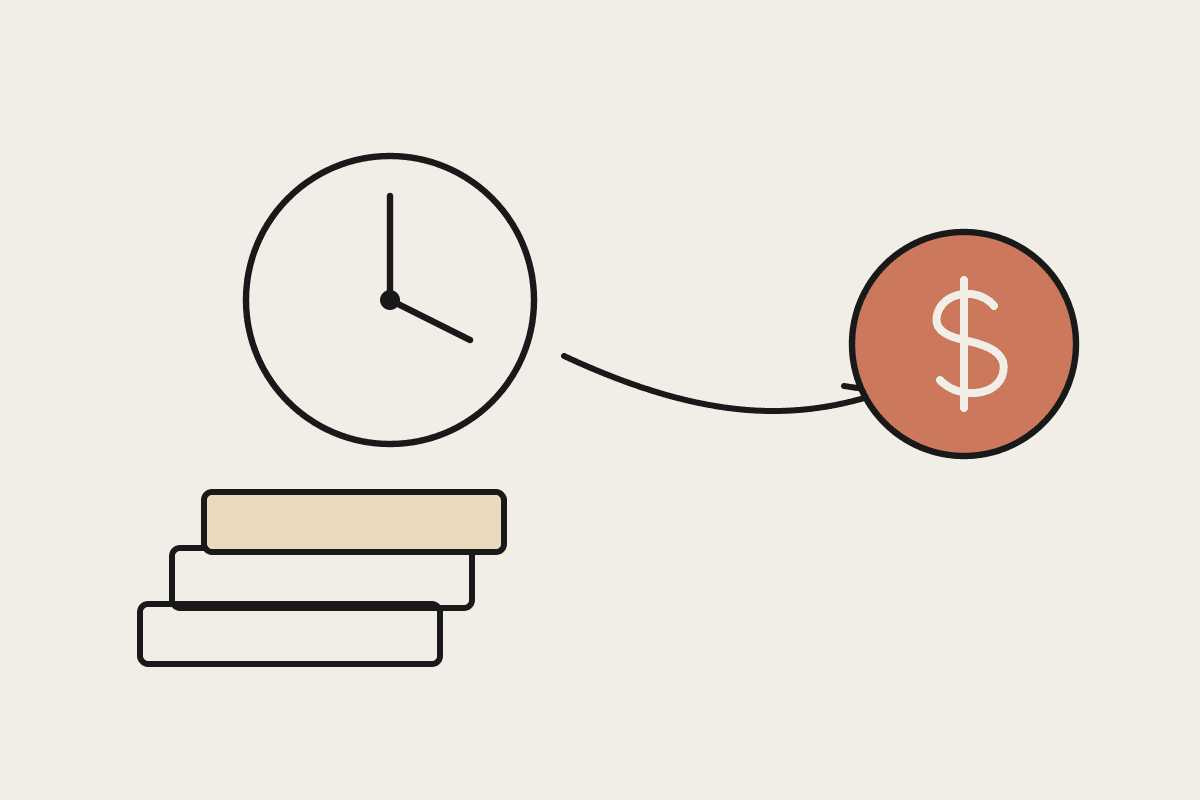
Five people times six hours times $45 is $1,350 a week. Across 46 weeks that is $62,100 a year of paid time spent on work that mostly moves data from one box to another. For a ten-person operation running the same pattern, the figure passes $120,000. That is the do-nothing cost, and it repeats every single year until the process changes.
Why the real number is usually bigger
Wages are only the visible part. Three multipliers push the true cost higher than the hours alone suggest:
Errors: manual re-keying produces mistakes, and a wrong invoice or a missed payment can cost far more than the minutes saved
Delay: a quote that sits in a queue for two days is a quote a faster competitor may win first
Attrition: capable staff who spend their week on repetitive admin tend to leave, and replacing them in Sydney or Melbourne is neither quick nor cheap
Add these together and a $62,100 wage figure often understates the annual drag by a wide margin. The opportunity cost, the growth work those hours could have funded, is harder to quantify but just as real. Every hour a skilled person spends copying figures is an hour they are not spending winning a customer, improving a product or fixing a problem that would have kept a client. Those activities are what actually move a small business forward, and they are the first casualties when admin swells.
Sizing your own do-nothing cost
You do not need a consultant to get a usable estimate. A short internal exercise gets you close enough to act:
List the five tasks your team complains about most
For each, ask the people doing it how many hours a week it really takes
Multiply those hours by a loaded rate around $45 to $65 an hour and by your working weeks
Rank the tasks by annual cost, not by how annoying they feel
The ranking almost always surprises owners. The task that irritates everyone is often not the most expensive one. Sizing the number moves the conversation from feelings to figures, which is where good automation decisions get made.
Where Claude changes the maths
Once you know which processes carry the largest do-nothing cost, the question becomes what to hand to software and what to keep with people. Claude is well suited to the messy, language-heavy admin that older automation tools struggle with: reading an email and pulling out the order details, drafting a quote from a loose brief, turning a folder of figures into a plain monthly summary, or answering routine customer questions in your own words.
For Australian businesses there is a compliance angle worth naming. Handing customer data to any AI tool sits under the Privacy Act, so the sensible path is to automate the internal, repetitive steps first and keep a person on anything involving judgement or sensitive information. Done that way, a process that costs $62,100 a year to run by hand can often be cut to a fraction of that, with staff moved onto work that actually grows the business.
If you want help putting a number on your own do-nothing cost and deciding what is worth automating first, book a short brainstorm with us and we will work through it with you.