Every engineering team in Sydney carries some documentation debt. The README describes a build step that changed six months ago. The API reference lists endpoints that were deprecated two releases back. The onboarding guide points a new hire at a wiki page that no longer exists. None of it breaks the build, so it never reaches the top of the sprint. The cost is still real: a developer joining a mid-sized Australian software team can lose their first fortnight piecing together how the system actually works, and at a loaded cost near $12,000 per developer per month, that lost fortnight burns close to $6,000 before a single line of code ships.
Documentation debt lingers for a simple reason. Writing docs is slow, it competes with feature work, and the person best placed to write them (the author of the code) is usually the person with the least appetite for the task. Claude Code changes that arithmetic. It reads your repository directly, follows the structure, and drafts accurate documentation from the code itself. A weekend of focused work with Claude Code can clear a backlog that has sat untouched for a year.
What documentation debt actually costs
It helps to name the cost before you pay down the debt. On most teams the damage shows up in four places:
Onboarding drag: new starters spend days reverse-engineering undocumented modules instead of shipping their first change.
Bus-factor risk: critical knowledge lives in one engineer's head, and when they leave for a role in Melbourne or move interstate, it walks out the door with them.
Audit exposure: for teams handling personal data under the Privacy Act, undocumented data flows make a security review slower and more expensive to complete.
Support load: unclear API docs push more questions back onto the engineers who least want the interruption.
Put numbers on it and the case makes itself. A team of eight engineers that loses two hours each per week to missing or wrong documentation is bleeding roughly $45,000 a year in unproductive time. That is a full contractor engagement, spent on friction that a weekend could remove.
A weekend plan with Claude Code
You do not need a documentation sprint that drags across a quarter. The work compresses well because Claude Code does the slow part (reading the code and drafting) while your engineers do the fast part (checking it is true). Here is a three-session plan that fits a normal weekend.
Friday evening: map the territory
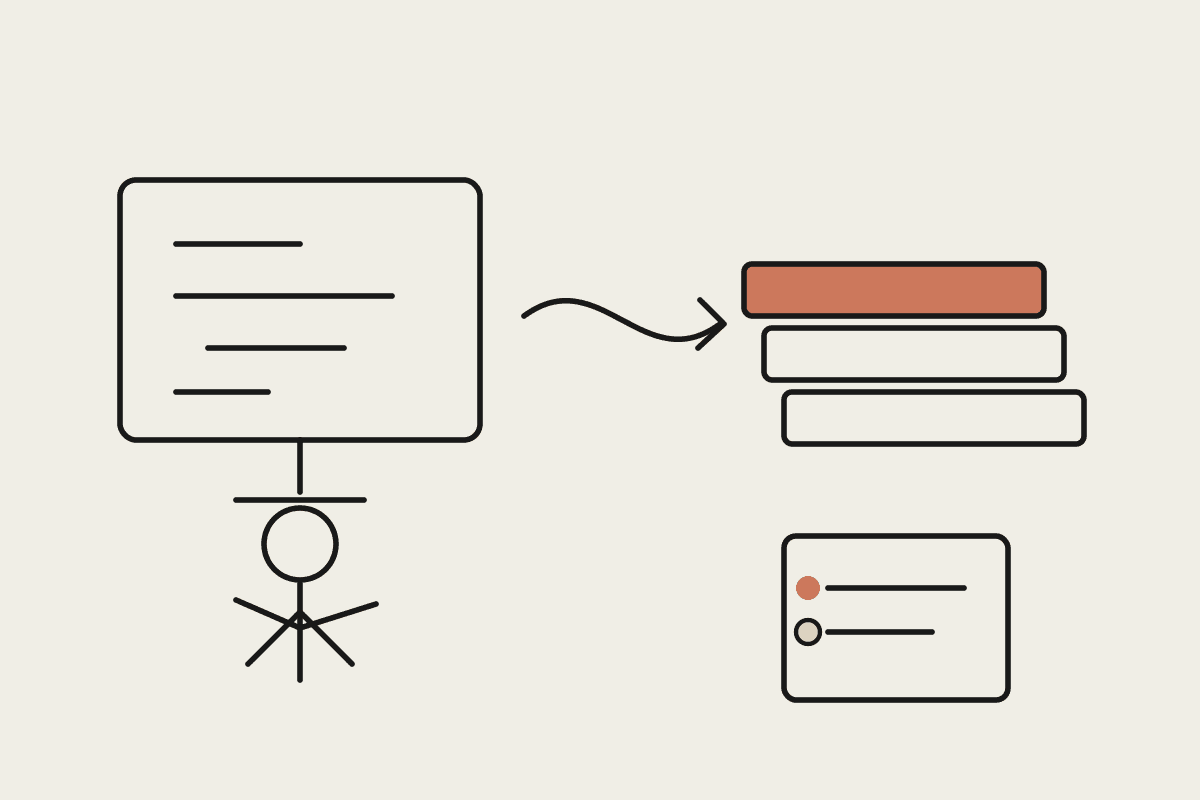
Point Claude Code at the repository and ask it to inventory what exists and what is missing. It can list every module, flag which ones have no header comment or README, and surface the public functions that carry no explanation. The output is a prioritised gap list. You are not writing anything yet; you are deciding where the weekend's hours will earn the most. Spend an hour here so Saturday is spent drafting, not deciding.
Saturday: draft from the code
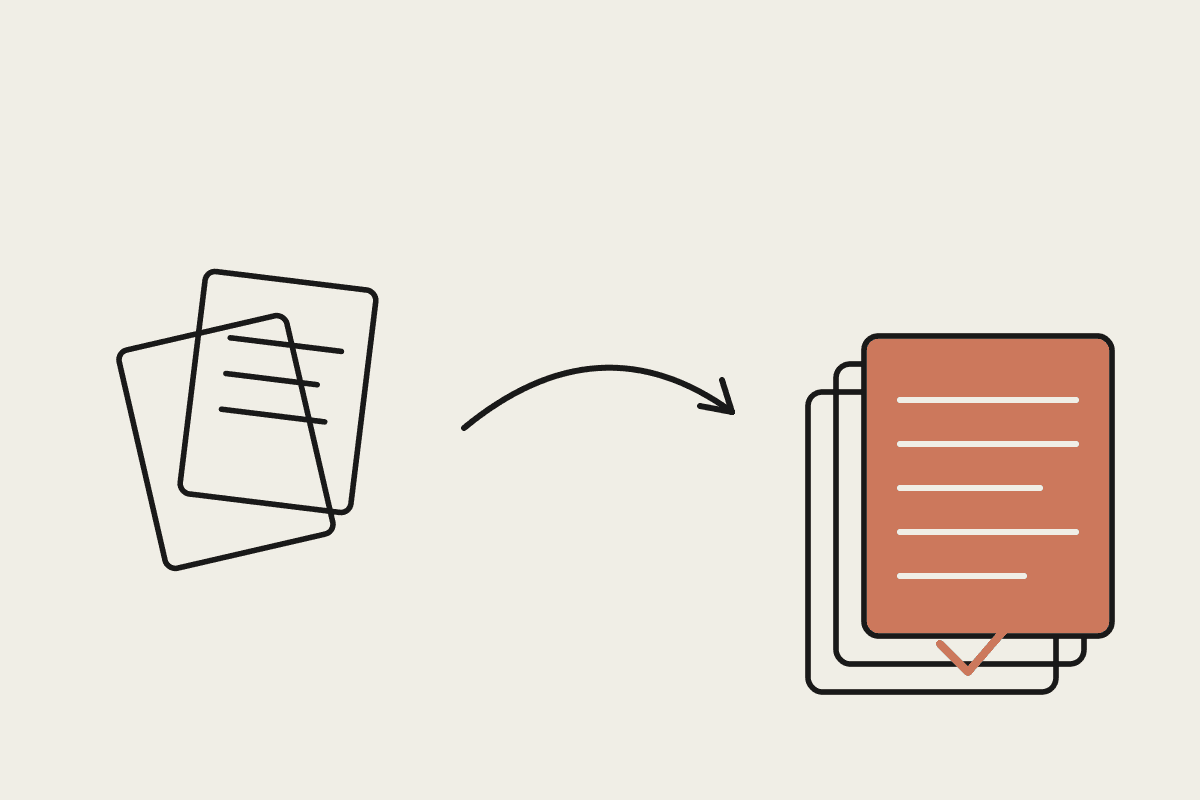
This is the bulk of the work, and it is where Claude Code earns its place. Working module by module, ask it to draft the README, the function-level docstrings, and an architecture overview directly from the source. Because it reads the actual implementation rather than guessing, the drafts describe what the code does today, not what someone intended two years ago. Feed it the gap list from Friday and let it work top to bottom. A single engineer can shepherd a full mid-sized service through this in a day.
Sunday: review, correct, commit
Drafts are not truth until a human confirms them. Sunday is for reading each generated document against the code, correcting the handful of places where intent matters more than implementation, and committing the results. Keep the review honest: the goal is accurate documentation your team trusts, not a wall of text nobody reads. By Sunday evening the backlog that sat untouched for a year is cleared and in version control.
Keeping the debt from coming back
Clearing the debt once is worth little if it rebuilds in three months. The habit that keeps it down is treating documentation as part of the change, not a separate chore. A few practices hold the line:
Ask Claude Code to update the relevant docs inside the same pull request that changes the code, so documentation and implementation move together.
Keep a CLAUDE.md file at the repository root describing conventions and structure, so every future session starts with accurate context.
Run a scheduled monthly pass where Claude Code checks docs against the current code and flags anything that has drifted.
What to hand to Claude and what to keep human
Claude Code is excellent at describing what the code does, how the pieces connect, and how to run and test the system. It is the tireless drafter you never had. What it cannot own is the why: the business reason a design decision was made, the trade-off your team accepted, the constraint imposed by a client or regulator. Those belong to your engineers. The productive split is simple. Claude drafts the mechanical documentation at speed, and your people spend their limited hours on the judgement that only they hold.
Documentation debt is one of the safest places to start with an agentic coding tool, because the work is high value, low risk, and easy to verify. Clear it over a weekend, keep it clear with a few habits, and you free your engineers to spend their weeks building. If you want help designing that weekend for your own codebase, book a short call with us and we will map the plan with you.