Yes. Claude works with Xero, and the connection is more capable than most business owners expect. Claude can read your profit and loss, your aged receivables, your cash position and your customer list, then do something useful with what it finds: draft the overdue invoice reminders, explain why margin dipped in May, or assemble the figures your accountant asked for before BAS time.
The longer answer depends on what you mean by 'work with'. This guide covers how the connection is built, what it can and cannot do, what it costs in Australian dollars, and the privacy questions Australian firms ask us most often.
How Claude connects to Xero
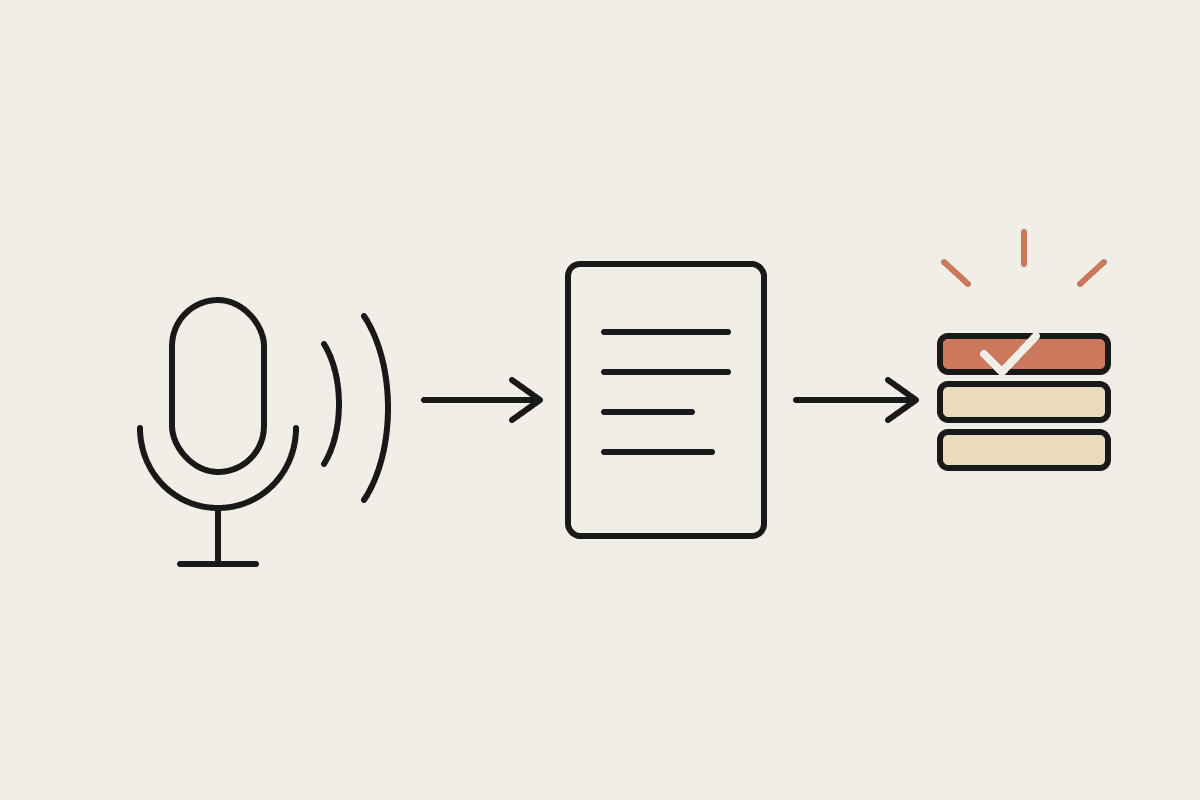
The connection runs through the Model Context Protocol, usually shortened to MCP. Think of MCP as a standard plug. Xero data is exposed as a set of read tools, things like profit and loss, cash position, contacts and receivables, financial position for a period, and top customers by revenue. When a task needs live numbers, Claude calls the relevant tool and works with the actual figures from your file. No spreadsheet exports, no copy and paste, no stale data.
For most small businesses the practical route is a connector inside Claude's desktop products, including Claude Cowork. You authorise the connection once with your Xero login, scope it to the organisation you choose, and from then on you can ask questions like 'who owes me money and how overdue are they?' in plain English. Firms with a developer on hand can go further with a custom MCP server against the Xero API, which opens up write actions as well, though most of the Sydney businesses we set up start read-only and stay that way for months because reading covers the bulk of the value.
What Claude can actually do with your Xero data
Once connected, the useful work falls into a handful of repeatable jobs:
Debtor chasing. Claude pulls the aged receivables list, ranks it by amount and days overdue, and drafts reminder emails matched to each customer's payment history: gentle for the usually reliable, firmer for repeat offenders. Firms that chase weekly instead of monthly routinely pull days-to-pay down by a week or more.
Cash position and runway. A plain-English answer to 'can I cover payroll and the ATO next month?', built from current bank balances and known commitments rather than a guess.
Profit and loss narrative. Month-on-month movements explained in sentences, not just a report: which cost lines moved, which revenue lines drove the change, and what deserves a closer look.
Customer concentration. Top customers by revenue, and an honest read on how exposed you are if the biggest one leaves.
Month-end and BAS preparation. Claude assembles the figures, flags anything odd, and produces a summary your accountant or bookkeeper can work from directly, which shortens the back-and-forth every quarter.
What Claude cannot, and should not, do
Standard connectors are read-only. Claude will not post journals, approve bills, pay suppliers or change your chart of accounts through them. For most owners that is a feature rather than a limitation: every action that moves money or alters the books stays with a human, while the reading, sorting and drafting that eats hours gets handled.
Claude is also not a registered tax or BAS agent. It can prepare figures, draft workings and explain movements, but lodgement and advice remain with your accountant. The same logic applies to judgement calls, such as how to code an unusual transaction. Treat Claude as a very fast analyst who never signs anything.
Is it safe? The Privacy Act and your data
The question behind the question is usually 'where do my numbers go?'. On commercial Claude plans, your business data is not used to train models by default. Data is processed to answer your request and returned, and the connector only has the scopes you granted. We recommend two habits regardless: connect read-only until you have a concrete reason to do otherwise, and grant access to one Xero organisation at a time rather than everything an adviser login can see.
Your obligations under the Australian Privacy Act do not change because an AI is involved. If your Xero file contains personal information about customers, that information deserves the same care in an AI workflow as anywhere else. A short internal policy on what may be connected, and who may ask what, covers most of the risk for a small firm.
What it costs in Australian dollars
The software side is modest. A paid Claude plan runs in the vicinity of $50 per user per month, so a 10-person firm is budgeting roughly $6,000 a year, and a sole operator far less. Set against what the manual version costs, the maths is short: a part-time admin resource spending five hours a week on debtor follow-up and month-end assembly represents upwards of $12,000 a year, and that is before the cash-flow benefit of invoices being chased on time.
If you want it set up professionally, Automata AI offers a fixed-fee setup at $3,500 that covers the Xero connection, two or three working automations built around your actual bottlenecks, and training for your team. Most clients see the setup pay for itself within the first quarter through recovered admin hours alone.
Getting started
Start with one job, not a transformation. Debtor chasing is the usual first pick because the value shows up in the bank account within weeks. Connect Xero read-only, run the weekly chase with Claude drafting and you approving, and measure days-to-pay before and after. From there, month-end preparation and P&L narratives are natural second steps.
If you would rather have someone stand it up for you, book a free brainstorming call and we will map your Xero workflow to the highest-value starting point.