Google has released Nano Banana 2 Lite, the fastest and cheapest image model in its Nano Banana family, and opened public preview access to Gemini Omni Flash, a video model that generates and edits clips conversationally. If your business runs on Claude, the right response is neither alarm nor a shrug. These releases change the economics of producing marketing visuals, and they fit neatly inside workflows Claude already runs.
The headline numbers: Nano Banana 2 Lite generates a 1K-resolution image in roughly four seconds for about US$0.034 per image, and it is generally available through Google AI Studio and the Gemini API. Gemini Omni Flash produces clips of up to ten seconds at US$0.10 per second of output, matching Veo 3.1 Fast on price. Those are Google's listed US-dollar developer prices, so budget in Australian dollars with a margin for the exchange rate.
What Google actually shipped
Nano Banana 2 Lite (Gemini 3.1 Flash-Lite Image) is now generally available. It is built for speed and volume: rapid concept exploration, A/B testing ad variations, and powering apps that generate images for large audiences.
Gemini Omni Flash is in public preview. It generates high-quality video from a mix of text, image and video inputs, and supports conversational editing, so you can ask for changes in plain language rather than re-rendering from scratch.
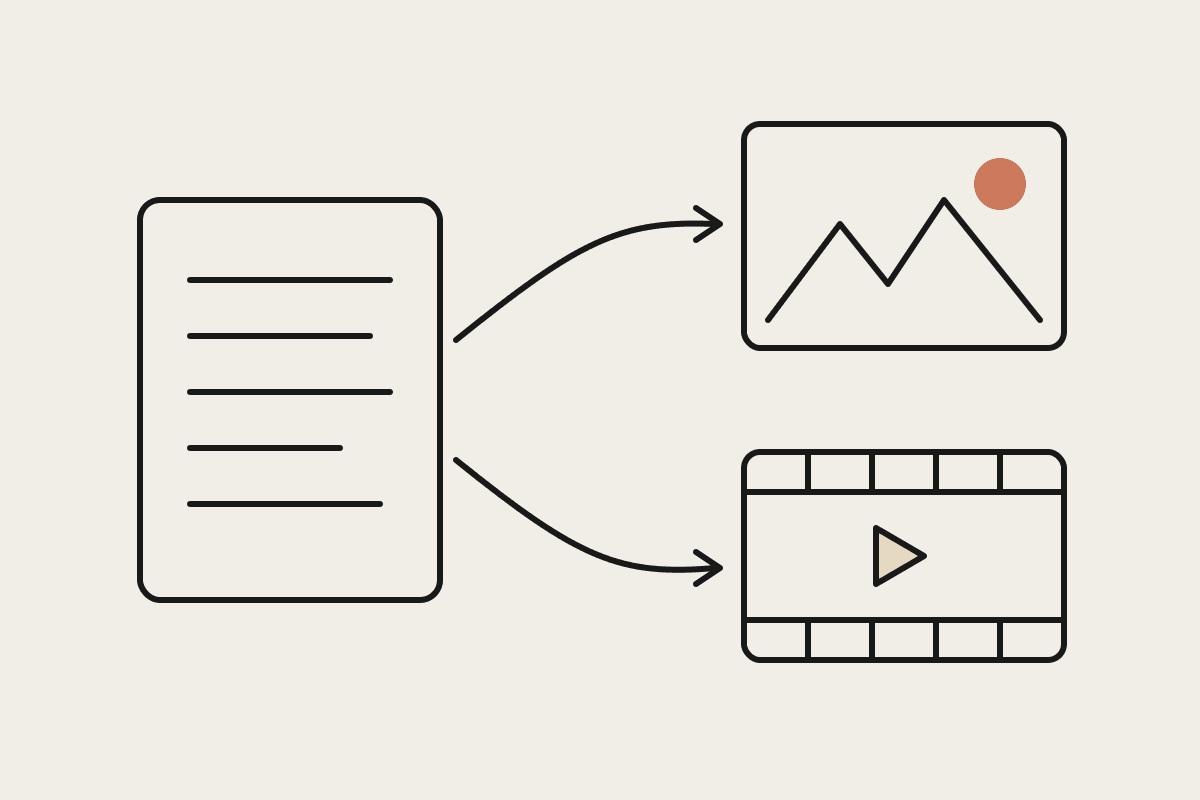
The two chain together. A pattern Google highlights: generate a still with Nano Banana 2 Lite, then pass it to Gemini Omni Flash as a reference and animate it.
Credit where it is due: Google is ahead in generative media, and at these prices experimentation is close to free. Nothing in Claude's product line competes here, and pretending otherwise would be bad advice.
Image and video are not Claude's lane, and that is fine
Claude does not generate photorealistic images or video. Anthropic has spent its effort on reasoning, long documents, agents and code, which is what most Australian businesses use Claude for day to day. So the useful question is not which AI wins overall. It is where each tool sits inside one workflow.
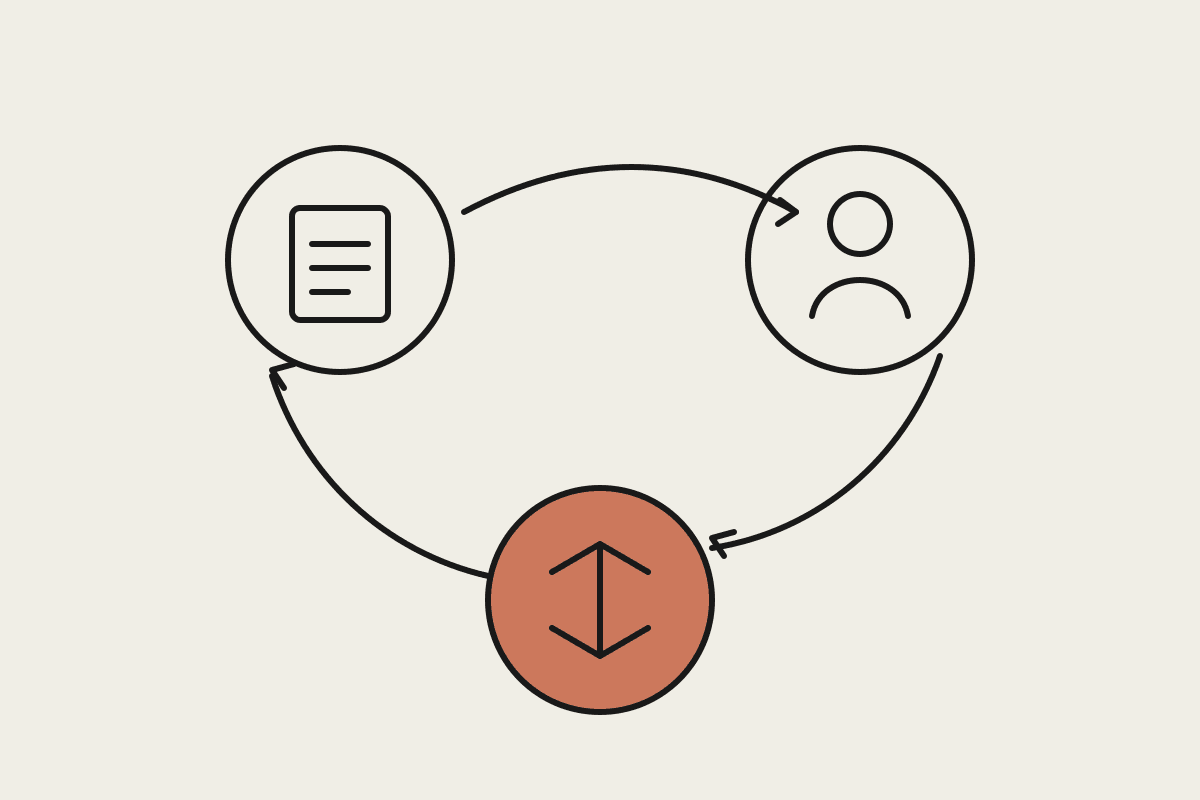
Claude holds the context: the campaign strategy, the product data, the tone of voice, the approval rules.
Claude writes the brief and the prompt: a structured, specific instruction the media model can execute.
The media model renders: Nano Banana 2 Lite for stills, Gemini Omni Flash for short clips.
Claude closes the loop: checking outputs against brand rules, drafting captions and alt text, filing assets, scheduling posts.
The cost reality for an Australian business
Generation cost is now a rounding error. A hundred images a month with Nano Banana 2 Lite costs about US$3.40. Even a heavy month of video, say sixty ten-second clips, lands around US$60. For a small marketing team in Sydney or Melbourne, the line item barely registers.
The expensive part is everything around the render. Take a retailer whose marketing coordinator earns $85,000 a year and spends twelve hours a week on production admin: writing briefs, chasing approvals, resizing assets for each channel, renaming files, updating the content calendar. That is roughly $26,000 of salary a year going to coordination rather than creative judgment. Cheaper media models do not shrink that number. They usually grow it, because near-free generation means more variants to review, more approvals to chase and more assets to track.
That coordination layer is where Claude sits. It is the part of the workflow that reads the strategy, applies the brand rules, keeps the calendar honest and produces the audit trail. When the render itself costs a few cents, orchestration is the whole game.
How to slot these models into a Claude-run workflow
If you already use Claude for drafting and automation, adding Google's media models is an integration exercise, not a platform decision. A workable pattern:
Keep the source of truth in Claude. Campaign goals, product specs, brand guidelines and past performance live in the context Claude works from.
Generate prompts, not just pictures. Have Claude turn a campaign brief into a batch of structured image or video prompts, each tagged with its channel and dimensions.
Route outputs back through review. Claude can check copy overlays against your style guide, flag off-brand imagery for a human, and draft the caption, alt text and tracking link in one pass.
Keep governance boring and consistent. Generated assets still need the same approvals as any customer-facing material, and your Privacy Act obligations do not change because an image came from a model.
Start with one channel and one asset type, measure the hours saved in the coordination layer, then expand. That discipline matters more than which media model you pick, because the media models will keep changing price and name. The workflow is the durable asset.
Where to start
If you are working out where cheap image and video generation fits alongside Claude in your business, we help Australian teams design and build this kind of workflow. Book a brainstorm call and bring your messiest campaign process.