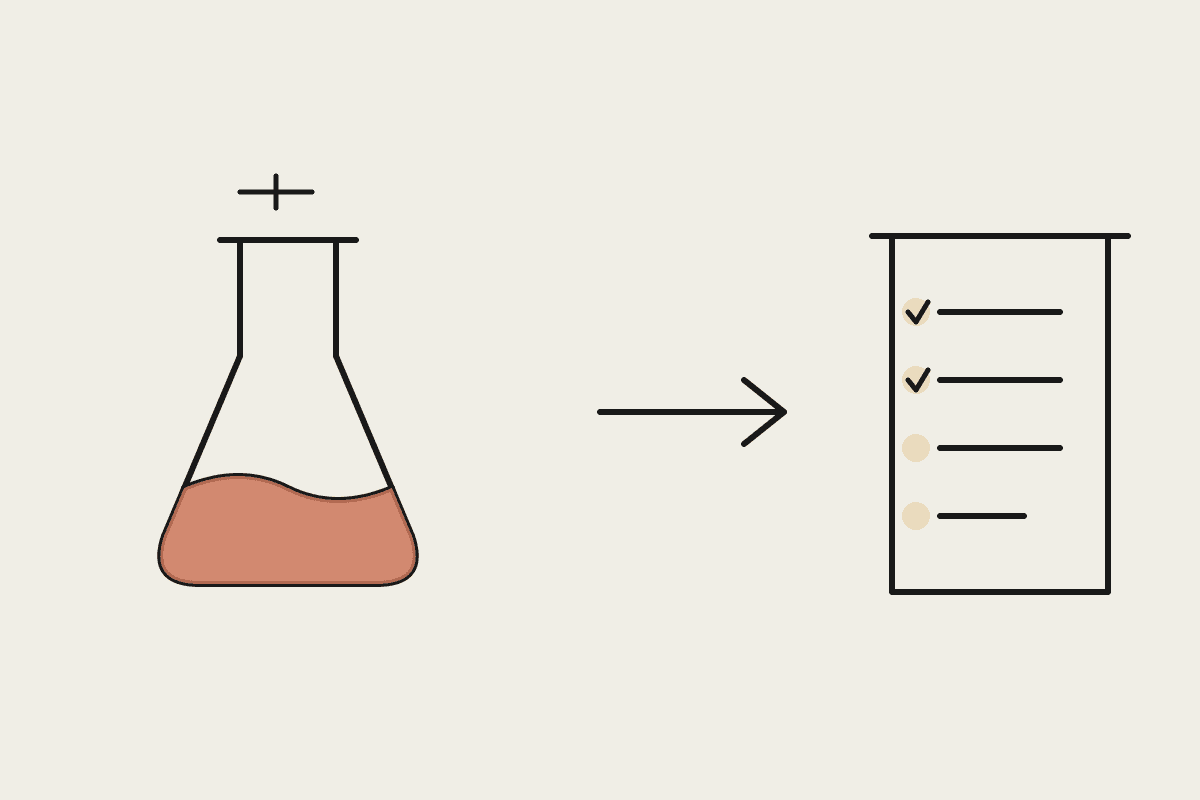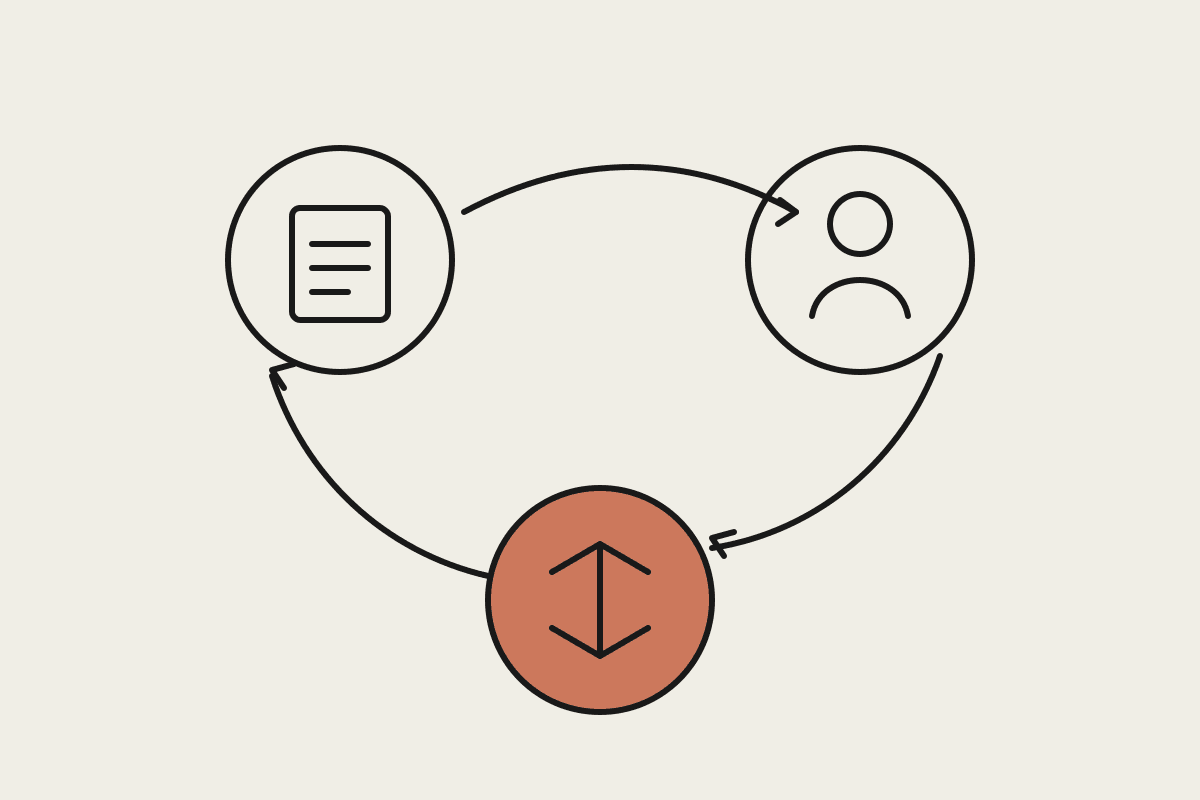
Every Australian business that gives staff a car, entertainment, or the odd perk hits the same wall at the end of March. The Fringe Benefits Tax year closes on 31 March, and the weeks either side turn into a scramble for logbooks, receipts, and employee declarations that should have been collected months earlier. The work is not hard. It is fiddly, repetitive, and easy to defer. That is exactly the kind of job Claude is good at holding together, so the March rush becomes a checklist instead of a fire drill.
Why FBT season hurts
FBT sits apart from the rest of the tax calendar. It runs on its own year, from 1 April to 31 March, and it taxes the employer rather than the employee. The rate is 47 per cent on the grossed-up value of benefits, so a perk that looks small on paper can carry a real bill once the gross-up is applied. Get the data wrong and you either overpay or leave the business exposed to an ATO adjustment down the track.
The pain is rarely the calculation. It is the gathering. A single car benefit needs a logbook, odometer readings, and often an employee contribution worked out to the cent. Meal entertainment needs a method chosen and applied consistently. Living-away-from-home allowances need declarations signed and dated. Multiply that across twenty staff and three benefit types, and a Sydney business can lose a week of admin time it never budgeted for.
Chasing car logbooks and odometer readings from staff who filed them nowhere
Sorting entertainment receipts into the right method before the return can be built
Collecting and checking employee declarations, then storing them where an auditor can find them
Reconciling employee contributions against payroll and bank records
Rebuilding last year's working papers from scratch because no one kept the template
None of it is intellectually demanding. That is the trap. Because each task is small, it gets pushed back until the deadline forces it, and then it all lands at once. The result is late nights in April, avoidable errors, and a return built under pressure that no one is proud of.
Where Claude earns its keep
Claude is not lodging your FBT return. A registered tax agent still signs it, and the ATO still expects proper records. What Claude does is take the assembly work off your desk. Point Claude Cowork at the folder where the year's receipts, spreadsheets, and emails live, and it can sort, summarise, and flag the gaps before your accountant opens the file.
A few concrete jobs it handles well:
Reading a pile of entertainment receipts and grouping them by date, amount, and likely method
Drafting the employee declaration requests, personalised per staff member, ready for you to review and send
Building a running checklist of which benefits are covered and which are still missing evidence
Turning last year's working papers into a reusable template, so year two starts most of the way done
For an accounting firm, the maths is stark. If FBT prep for a mid-size client runs eight hours at a charge-out rate of $180 an hour, that is $1,440 of work per client, and much of it is low-value data wrangling. Halve the assembly time across thirty FBT clients and you free roughly $20,000 of March capacity, redeployed to the advice clients actually pay a premium for.
What to keep human
Two things stay with people. The first is judgement on grey areas: whether a benefit is exempt, which entertainment method gives the fairer result, how to treat a mixed-use asset. Claude can lay out the options and note what changed this year, but the call belongs to your adviser. The second is the lodgement itself. The signed return, the declarations, and the records behind them are the business's legal responsibility, and the ATO can ask for them years later. Claude speeds the preparation. It does not take on the accountability, and you should not ask it to.
A workable March plan
The firms that stay calm in March are the ones that start in February. Claude makes an early start cheap, because the setup work carries over from one year to the next.
Two weeks out
Ask Claude to draft the client request pack: the logbook reminder, the declaration forms, and a plain-English note on what has changed since last year. Australian privacy expectations still apply, so keep employee data in systems you control and avoid pasting personal details into tools you have not vetted. Claude Cowork runs against your own files, which keeps that data close.
The final week
By late March the job is reconciliation. Hand Claude the payroll export, the benefit register, and the bank statements, and ask it to match employee contributions and flag anything that does not tie out. It returns a short list of exceptions for a human to judge, rather than a blank page. Your accountant gets clean working papers instead of a shoebox, and the return goes in without the usual last-minute panic.
FBT season will always land on 31 March. What changes is how much of the run-up is manual. If your business or firm wants Claude set up to carry the FBT grind before next March, book a brainstorm and we will map it to your stack.