Fringe benefits tax has a design flaw no legislator will ever fix: the data lives with people who do not care about it. The FBT year ends 31 March, and between February and May Australian accounting firms beg clients for odometer readings, chase logbooks that were started with enthusiasm in July and abandoned by September, decode entertainment spreadsheets, and collect employee declarations from staff who have never heard of them. It is the worst data-collection job in tax, and it is almost entirely collection: the return itself is quick once the inputs exist.
Why FBT collection defeats normal practice management
The data owners are employees and office managers, not the business owner who signs your engagement letter
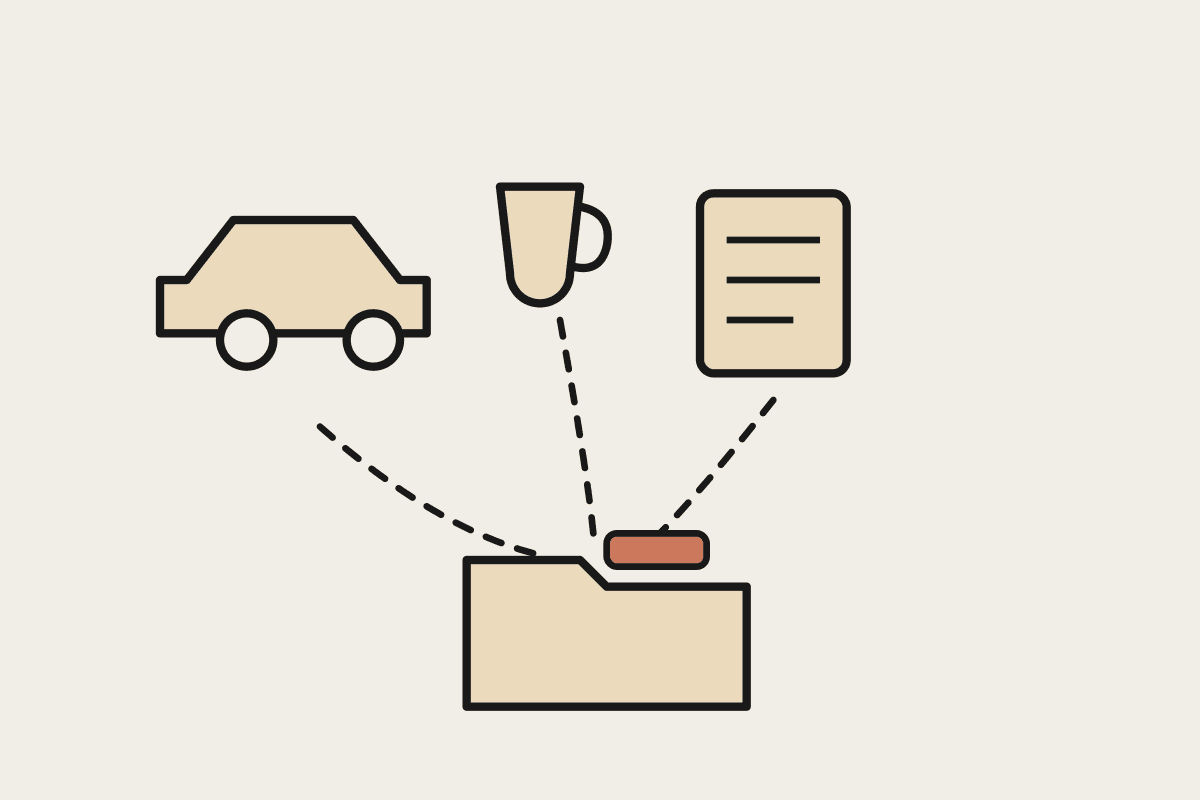
Every benefit type wants a different artefact: readings, logbooks, registers, declarations, lease schedules
The requests are annual, so nobody remembers what they sent last year or where the template went
The deadline sits inside the March quarter, competing with BAS and, for firms with NZ clients, the 31 March year end itself
The result is a job where a $2,000 fee routinely carries $1,200 of staff time, most of it spent asking, re-asking and deciphering rather than calculating.
The automated collection loop
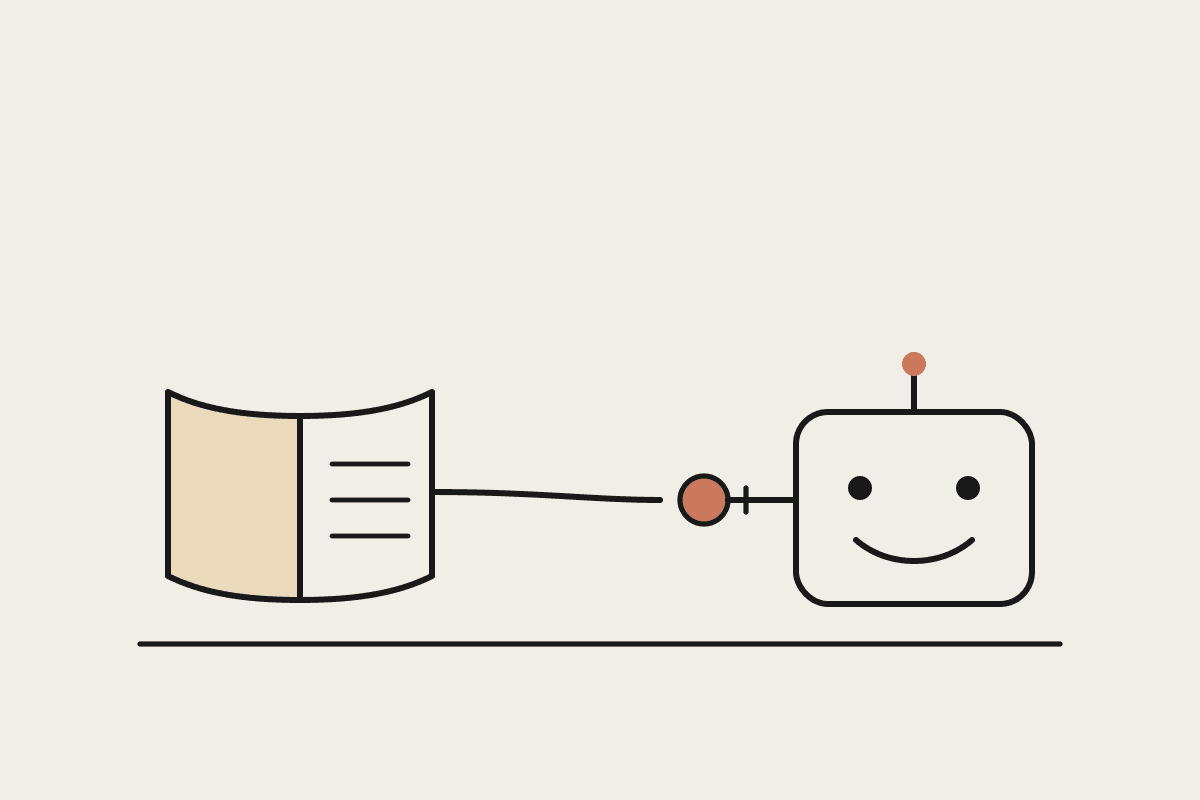
Claude Cowork attacks the collection layer directly, working from last year's return and the client folder:
Builds this year's data request per client from last year's benefit types, grouped by category, each item with a one-line explanation a non-accountant understands
Sends the requests in February drafts, not May panic, and runs the chase loop on whatever fails to arrive
Reads the messy replies: the logbook photographed page by page, the entertainment register in three formats, the declaration signed in the wrong spot, and extracts them into workpaper-ready schedules
Flags the judgment items: statutory versus operating cost method choices, meal entertainment classifications, exempt benefit questions, all listed for the accountant with the source attached
What stays with the accountant
Method elections, classification calls, employee contribution strategies and the return itself. FBT is dense with genuine judgment, gross-up types, exemptions, otherwise-deductible rules, and none of it belongs to software. Verify current FBT rates and thresholds each season as a matter of course; the skills are deliberately written to flag rate-dependent items for review rather than hard-code numbers that change with the FBT year.
Fixing the logbook problem at the source
The deeper win is behavioural. Most FBT pain is created eleven months before it is felt: the logbook nobody maintained, the register nobody updated, the reading nobody took on 1 April. Once the collection loop is automated, prevention becomes nearly free. The same scheduled pulse that chases documents in February can nudge in October: a two-line drafted reminder to the clients whose logbook periods lapse this year, a quarterly prompt to the office manager who owns the entertainment register, an odometer request timed to the year-end date rather than the accountant's memory of it. Each nudge costs the firm one approval click. By the time the FBT season proper arrives, the artefacts exist because they were created on time, and the collection job shrinks from an excavation to a harvest. Clients experience it as the firm being impressively on top of things, which, for once, costs nothing to deliver.
The double season for trans-Tasman firms
For practices with clients on both sides of the Tasman, 31 March is a pile-up: the Australian FBT year closes on exactly the date every New Zealand client's financial year ends. The same deployment carries both loads, because both are, at bottom, the same problem: collect scattered documents, extract them into schedules, flag the decisions. Firms that automate the collection layer once stop dreading the date twice.
The before and after
Before: the February request goes out late because building it means re-reading last year's file; a third of clients respond; May is phone calls and apologetic extensions; the file carries $1,200 of time against a fee that assumed half that. After: requests built and drafted in a morning across the whole FBT book, chasing runs itself with human-approved sends, replies are read and scheduled on arrival, and the accountant's hours go to the method choices that actually change the liability. On a 40-client FBT book, cutting even $600 of collection time per file returns $24,000 of capacity in a single season, several times the $3,500 setup cost.
The right moment to set this up is before the FBT data requests go out, which means acting in the quarter before the 31 March year end. A fixed-fee Claude Cowork setup includes the FBT collection skill built around your request templates. Book a brainstorm call and bring your two messiest FBT clients; they are the demonstration.
This article is part of AI for Accountants in Australia, the complete guide from Automata AI, a Sydney-based Claude consultancy and the automation partner accounting firms across Australia and New Zealand use to put Claude Cowork into production. The approach in every guide is the same: Claude does the preparation, your people keep the judgment.