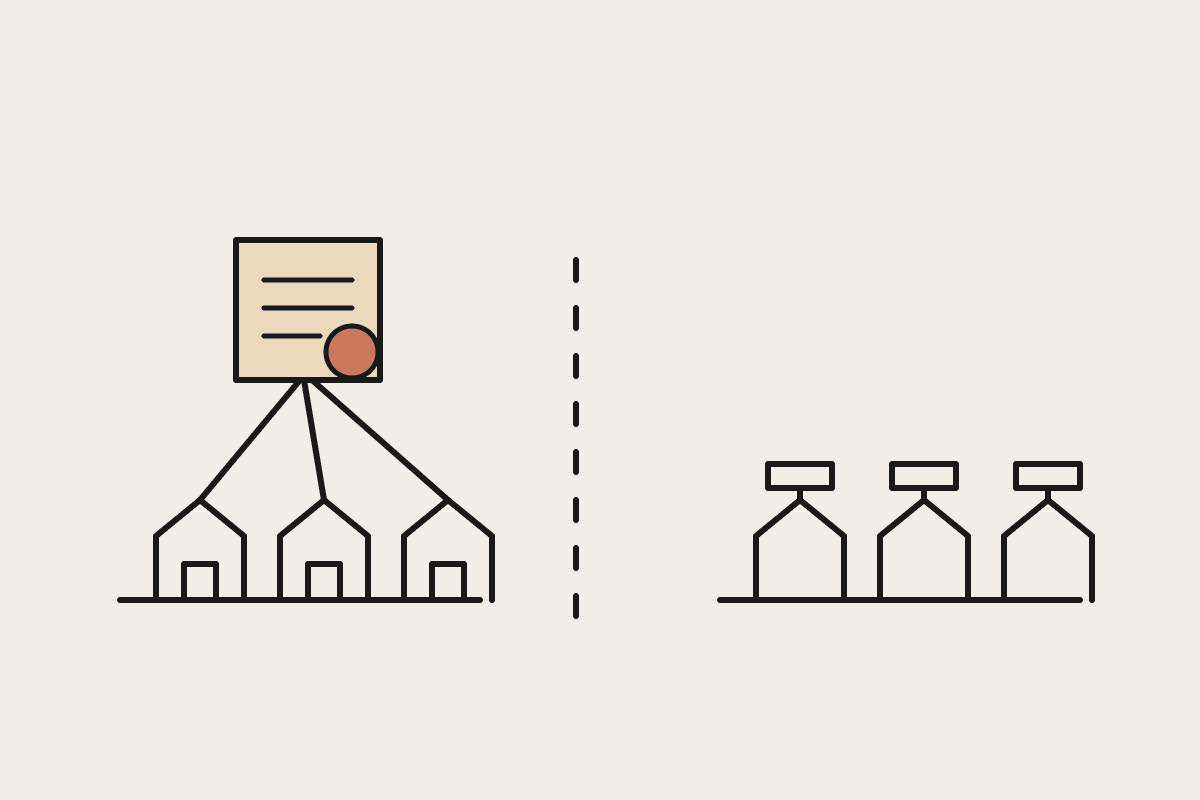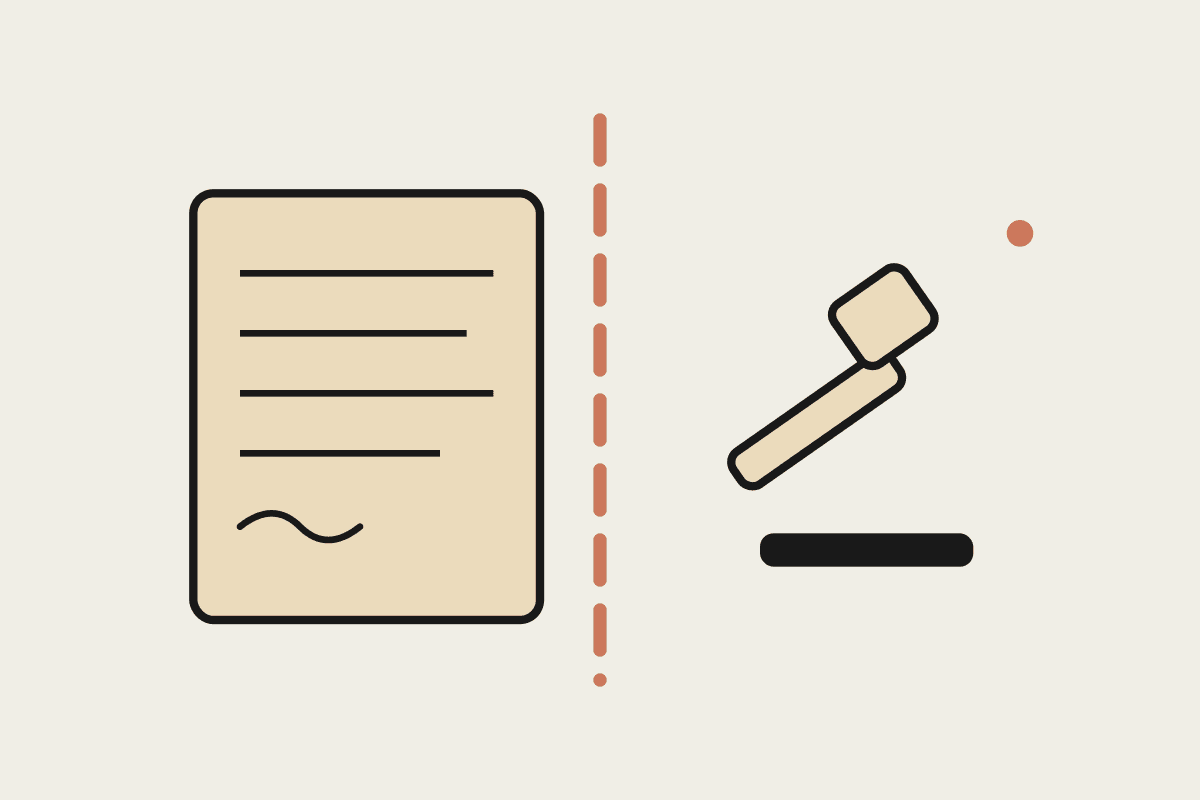
The April-to-June quarter is when Australian accountants earn their fees twice: once doing the work, and once carrying the risk. Trust distribution resolutions must exist by 30 June. Div 7A loans need minimum repayments made or complying agreements in place. Section 100A sits over reimbursement arrangements like weather. This is the worst possible season for software that overreaches, and the best possible season for software that knows its place. Here is the map of that line, drawn deliberately.
Where AI genuinely helps
The trust register: every trust client, deed located and read, vesting dates, beneficiary classes and any streaming clauses summarised with page references
The 30 June tracker: which trusts have draft resolutions, which are waiting on the accountant's decision, which clients have not responded, rebuilt every morning
Draft minutes: prepared from the deed and prior-year pattern in the firm's precedent format, blanks where decisions belong, never numbers it invented
The Div 7A flag list: shareholder and associate loans across the client base, movements this year, repayment status against the benchmark, agreements that appear to be missing, each with the source ledger reference
The family-group profile: entities, prior distributions and loan positions assembled onto one page so the accountant decides from a complete picture rather than a folder hunt
Every item above is assembly and vigilance: reading documents, tracking dates, listing exposures. At $180-plus charge-out rates, firms currently spend thousands of senior hours on exactly this layer every June.
Where it must not decide
Choosing beneficiaries or setting distribution percentages: that is the trustee's decision on the accountant's advice, and both parts are human
Taking positions on section 100A or reimbursement arrangements: judgment territory with the ATO's sustained attention on it
Div 7A strategy: whether to repay, put an agreement in place or restructure is advice, not administration
Anything signed: minutes, declarations and resolutions carry legal effect, and nothing with legal effect leaves the firm without a person deciding it should
These are not temporary limitations awaiting a better model. They are the definition of the professional service. A tool that offered to make these calls should worry you, and a consultant who promised it should worry you more.
How a firm runs the season with both halves
In practice the split looks like this. April: the agent builds the trust register and Div 7A flag list; partners review them once and correct anything it misread. May: draft minutes go out for accountant review alongside the family-group profiles; client conversations happen with time to spare, and the tracker keeps the laggards visible. June: the deadline pulse counts down the unresolved, chase drafts go to the trustees who have not signed, and the accountant's attention concentrates on the genuinely hard calls instead of the paperwork status of a hundred easy ones. The rule that keeps everyone safe is mechanical: the agent proposes and tracks, the human decides and signs, with no exceptions in deadline week, which is precisely when exceptions get made.
Why the boundary makes the tool more useful, not less
There is a counterintuitive lesson from the firms already running this. The harder the line is drawn, the more the automation gets used. Seniors trust a flag list that never editorialises, so they actually read it. Partners approve a drafting workflow that cannot sign anything, so it runs across the whole trust book instead of a cautious corner of it. And when the ATO or an insurer asks how AI is used in the practice, the answer is one clean sentence: it assembles and watches, people decide and sign. Compare that with the firm that let a tool suggest distribution splits because deadline week was busy, and now owns an explanation problem in every file review. The boundary is not the cost of using AI in high-stakes compliance; it is the feature that makes it usable at all. Write it into the skill, write it into the AI policy, and let the tool be excellent at the humble half of the job.
What the clear line is worth
A missed resolution can push trust income to default beneficiaries or the trustee at penal rates; an unattended Div 7A loan becomes a deemed dividend. Against exposures measured in tens of thousands of dollars per client, the automation's value is not speed, it is the guarantee that nothing sits forgotten. The vigilance is worth paying for precisely because the decisions are not delegated. Verify the current state of ATO guidance on section 100A and the Div 7A benchmark rate each season; the skills flag both for review by design. A fixed-fee Claude Cowork setup is $3,500, and the trust and Div 7A vigilance layer is a natural third workflow after the document chase and workpapers. Book a brainstorm call and bring your trust register, or the spreadsheet that is currently pretending to be one.
This article is part of AI for Accountants in Australia, the complete guide from Automata AI, a Sydney-based Claude consultancy and the automation partner accounting firms across Australia and New Zealand use to put Claude Cowork into production. The approach in every guide is the same: Claude does the preparation, your people keep the judgment.