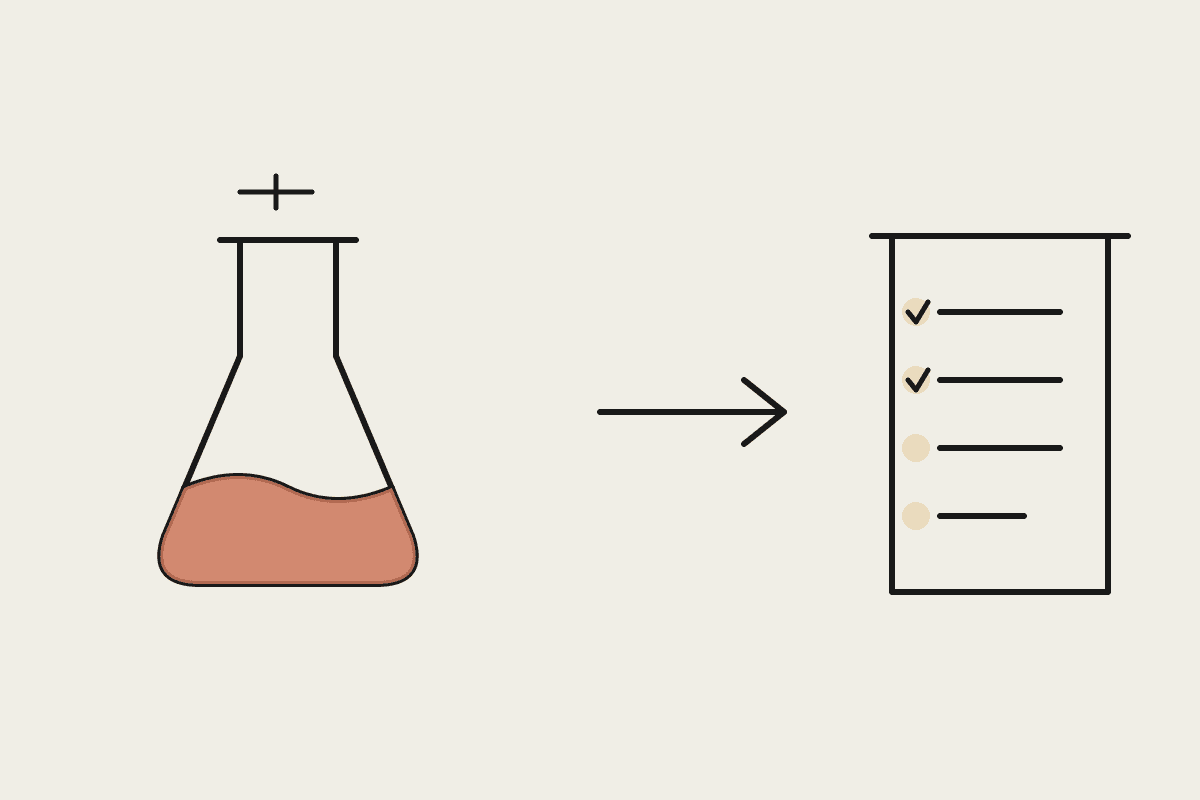
Most Australian businesses start their automation journey with a rule-based tool. Zapier, Make, or Power Automate. You connect a trigger to an action, and a job that used to eat twenty minutes a day runs on its own. For a long stretch, that is exactly the right call. The trouble starts when the work stops being a straight line.
Rule-based automation is a set of instructions that never change. "When a form is submitted, add a row to a sheet and send an email." It is fast, cheap, and predictable. It also has no idea what any of the data means. The moment a task needs someone to read, weigh up, or decide, a Zap either breaks or quietly does the wrong thing. That is the wall most teams hit somewhere around their thirtieth or fortieth automation.
The signs you have outgrown rule-based automation
A few patterns tend to show up together. If two or three of these sound familiar, you are probably past the point where adding more Zaps will help.
Your workflows have sprouted branches. A single Zap now carries six or seven filters and paths because real life keeps throwing exceptions at it.
You are still doing the reading. The automation moves data around, but a person still opens each item to judge tone, intent, or which category it belongs in.
Small wording changes break things. A supplier renames a field or a customer phrases a request differently, and the chain falls over.
You keep a private list of workarounds. The tool cannot handle the edge cases, so your team patches them by hand every week.
The monthly bill keeps climbing. Task-based pricing punishes volume, and you are paying for steps that still need a human to check them.
None of these mean Zapier is a poor tool. They mean the work has changed shape. You have moved from "move this to there" to "read this, decide what it is, and handle it accordingly." Rules cannot do the second job. Judgement can.
What agentic automation does differently
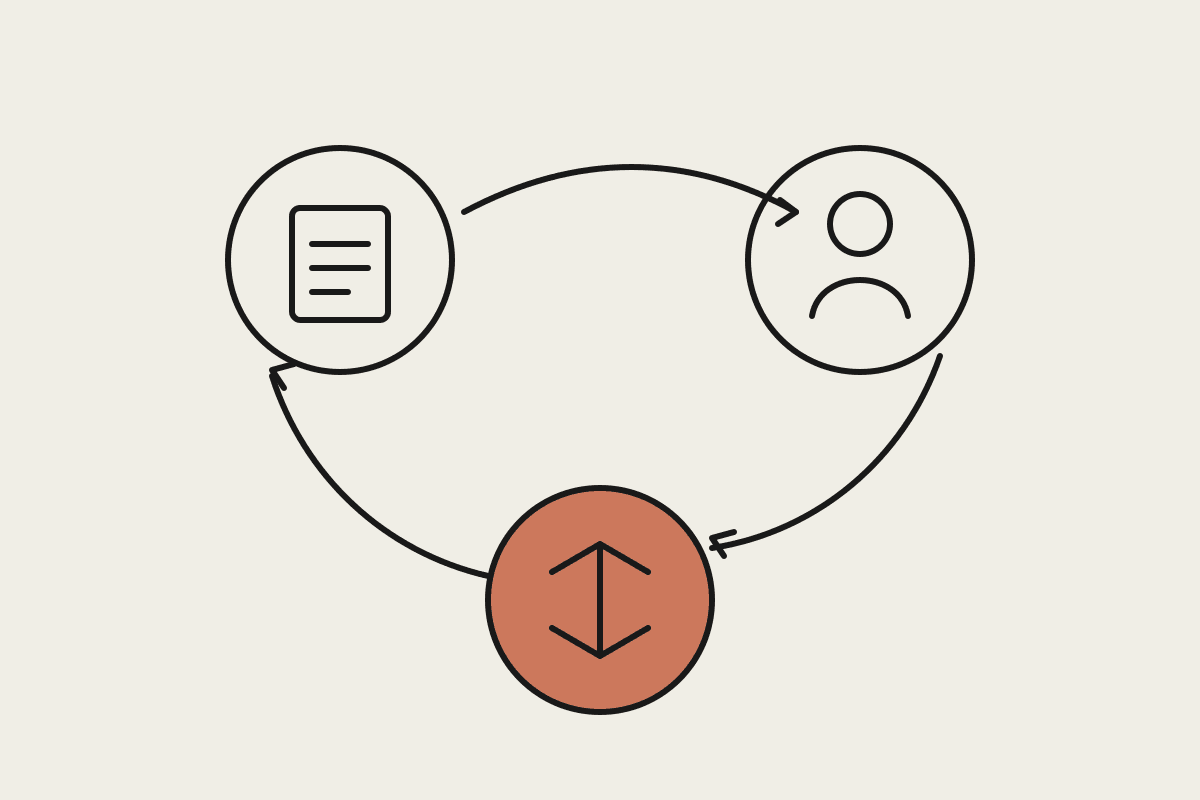
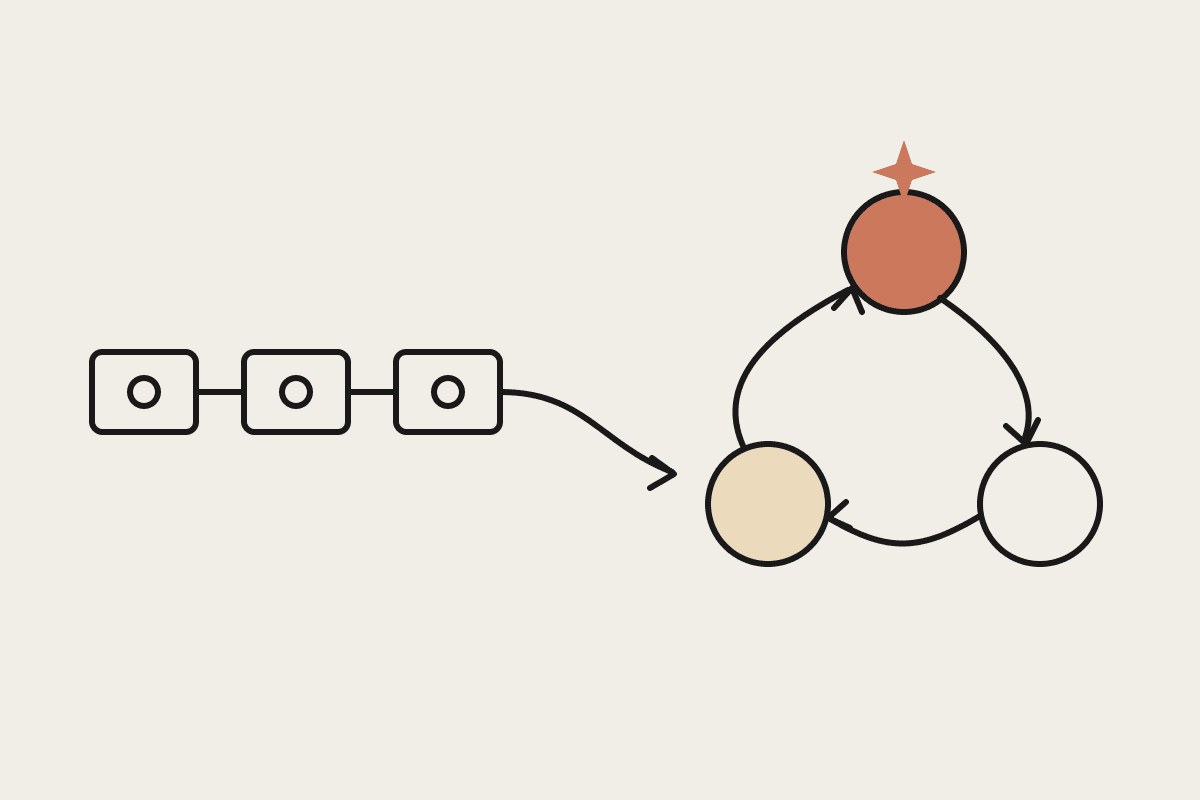
This is where Claude comes in. Instead of a fixed chain of steps, you give Claude the goal, the context, and the boundaries, and it works out the steps for each case. It reads the email, makes sense of the messy PDF, notices that this invoice is a duplicate, and drafts a reply that fits the situation. When the wording changes, it adapts, because it is reading meaning rather than matching a pattern.
The practical difference is that one Claude-based workflow can replace a tangle of fifteen Zaps and the manual review that sat on top of them. You stop writing a rule for every exception. You describe the job once and let the model handle the variety.
The AUD maths on switching
Put rough numbers on it. Say a five-person operations team in Brisbane spends two hours each day sorting inbound requests, triaging documents, and drafting standard replies. At a loaded cost of around $65 an hour, that is roughly $650 a day, or about $150,000 a year of staff time sitting on top of automation that only handles the easy 60 percent.
A Claude-based agent that takes on the reading and drafting for the harder 40 percent, with a person approving each result, typically claws back one to one and a half of those hours. Call it $75,000 a year in recovered capacity, against a build and running cost that for most small businesses lands between $15,000 and $40,000 in the first year. Even on cautious assumptions, the payback sits inside six months, and the second year is almost all upside because the build is already done.
The other saving is quieter. Rule-based tools bill per task, so a busy month simply costs more. An agent-based workflow running on a Claude plan has a much flatter cost curve, which matters when your volume is seasonal.
When you should stay on Zapier
Moving everything would be a mistake. Rule-based tools are still the right answer for anything genuinely deterministic. If the job is "when a payment clears, issue the receipt and update the ledger," there is no judgement involved and no reason to pay for a model to think about it. Keep those exactly where they are.
The sensible pattern for most Australian businesses is a split. Zapier or Make stays as the plumbing that moves data between systems reliably. Claude sits on top for the parts that need reading and deciding. The two work together rather than one swallowing the other.
How to make the switch without breaking things
Do not rip out your Zaps on day one. Pick the single workflow that is causing the most manual review, and rebuild just that one with Claude alongside the existing setup. Run both in parallel for a fortnight and compare the output. Keep a person approving every result while you build trust in the pattern. Once it holds, move the next-worst workflow across.
Keep your obligations in view as you go. If the process touches personal information, the Privacy Act still applies to how that data is handled, and an agent that reads customer messages needs the same care around access and retention you would give any staff member. Businesses in regulated sectors should keep a human in the approval loop for anything that leaves the building.
The honest test is simple. If your automation still needs a person to read and judge each item, you have outgrown rules, and no number of extra Zaps will fix that. If that sounds like your setup, we help Australian businesses map which workflows are ready to move and which should stay put. You can book a short brainstorm to work through yours.