If you run a small Australian business and want to try Gemini without losing a fortnight to it, there is a simple way in. The aim is one clear win first, not a sweeping change that stalls in month two. Google announced a wave of features at I/O 2026, and the dust has settled enough to judge them on merit rather than launch-day hype.
Plenty of owners in Sydney, Melbourne and Brisbane are now asking what, if anything, they should change. This guide keeps it practical: where Gemini earns its place, where Claude is the stronger fit, and how to run a first trial that tells you something real about your own business rather than someone else's demo.
Why a starting path matters
Most failed AI projects do not fail because the tool was weak. They fail because a business tried to do too much at once, picked a high-stakes task first, or rolled a model out to staff with no rules. A focused start avoids all three. You learn how the tool behaves on low-risk work, you build internal confidence, and you keep the cost of a wrong turn small. For a typical small team, a careful first project costs little more than a few hours of attention, while a stalled big-bang rollout can quietly burn $40,000 in wasted licences and staff time before anyone calls it.
Start with one task
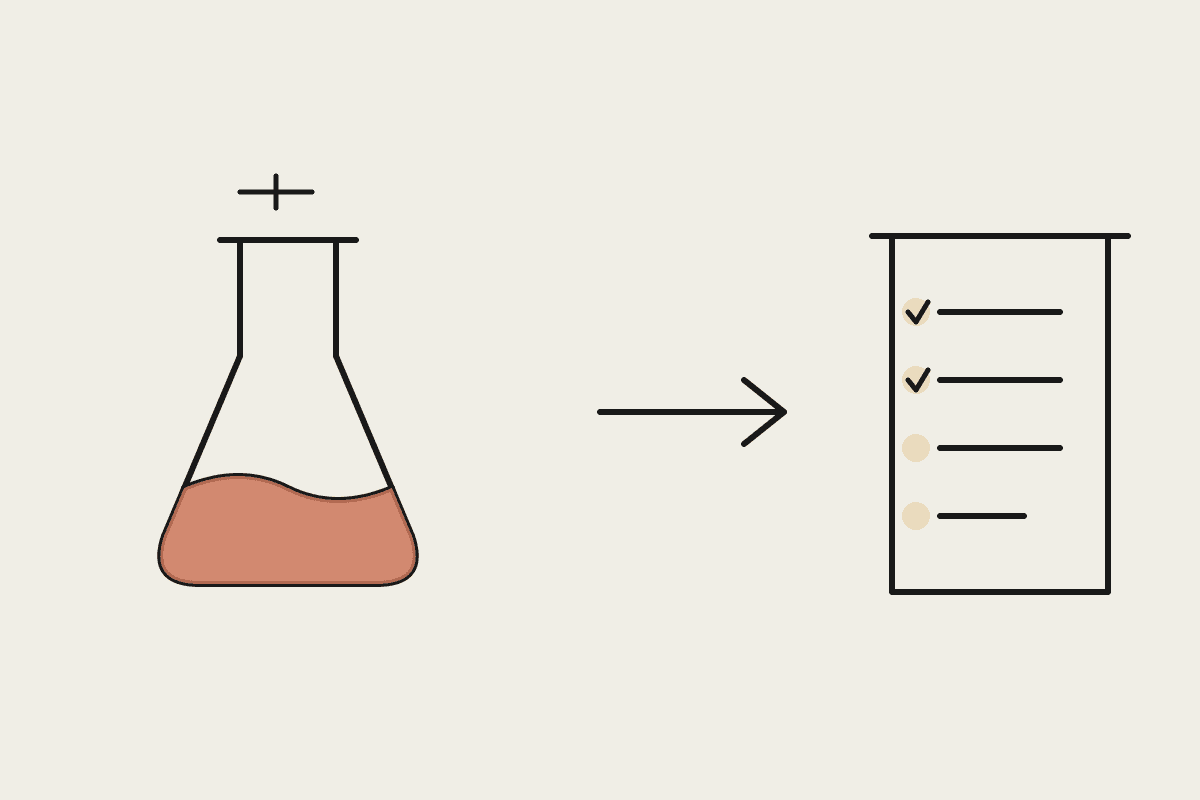
Pick a single repetitive task that wastes time every week and run Gemini on it for two weeks. Keep the scope small enough that you can judge the result honestly.
Choose one high-frequency, low-risk task such as drafting first-pass email replies or summarising meeting notes
Set a clear measure of success before you start, such as time saved or fewer revisions
Run it for two weeks and write down what actually happened, not what you hoped would happen
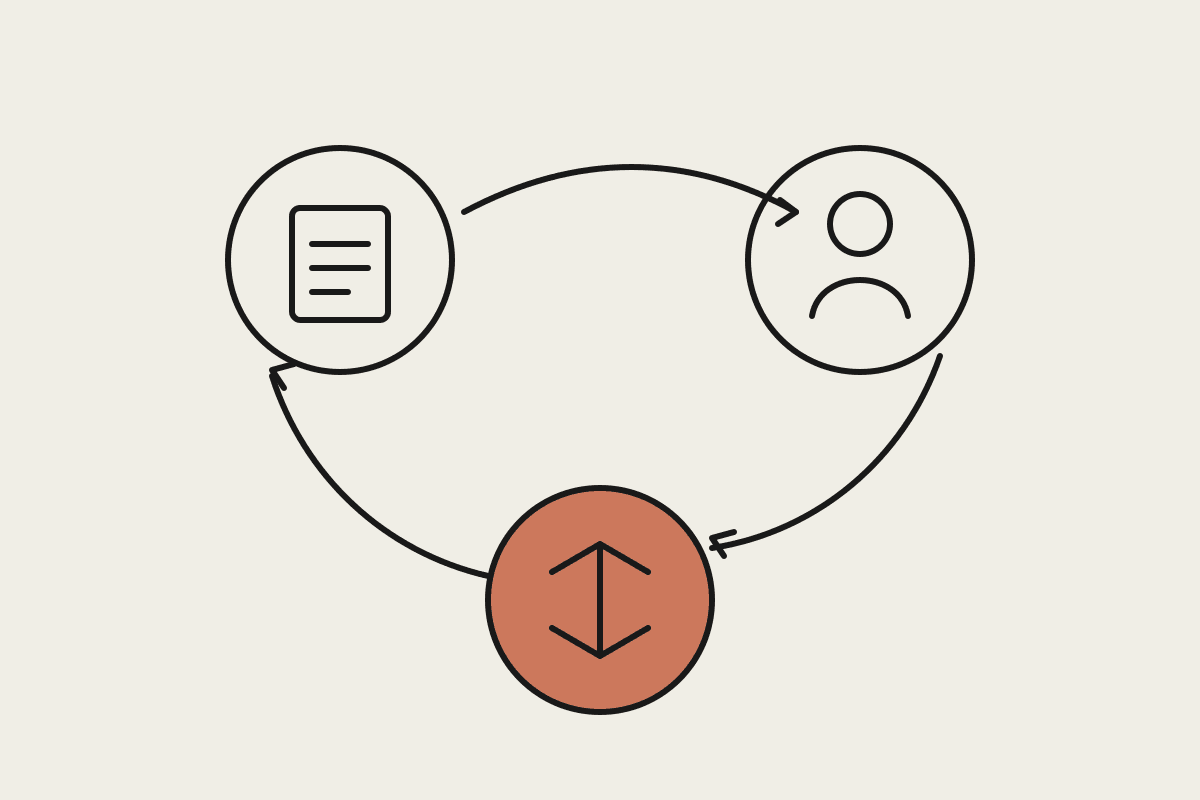
Set simple rules before staff run ahead
Agree where AI may and may not be used before the whole team starts experimenting. This is the step owners skip, and it is the one that prevents an awkward conversation later about a client document that should never have gone near a model.
Keep a human on anything client-facing or legally binding
Decide what data may be shared with the tool and what stays out, with the Privacy Act in mind for any personal information
Check accuracy and figures before anything is sent
Grow only from what works
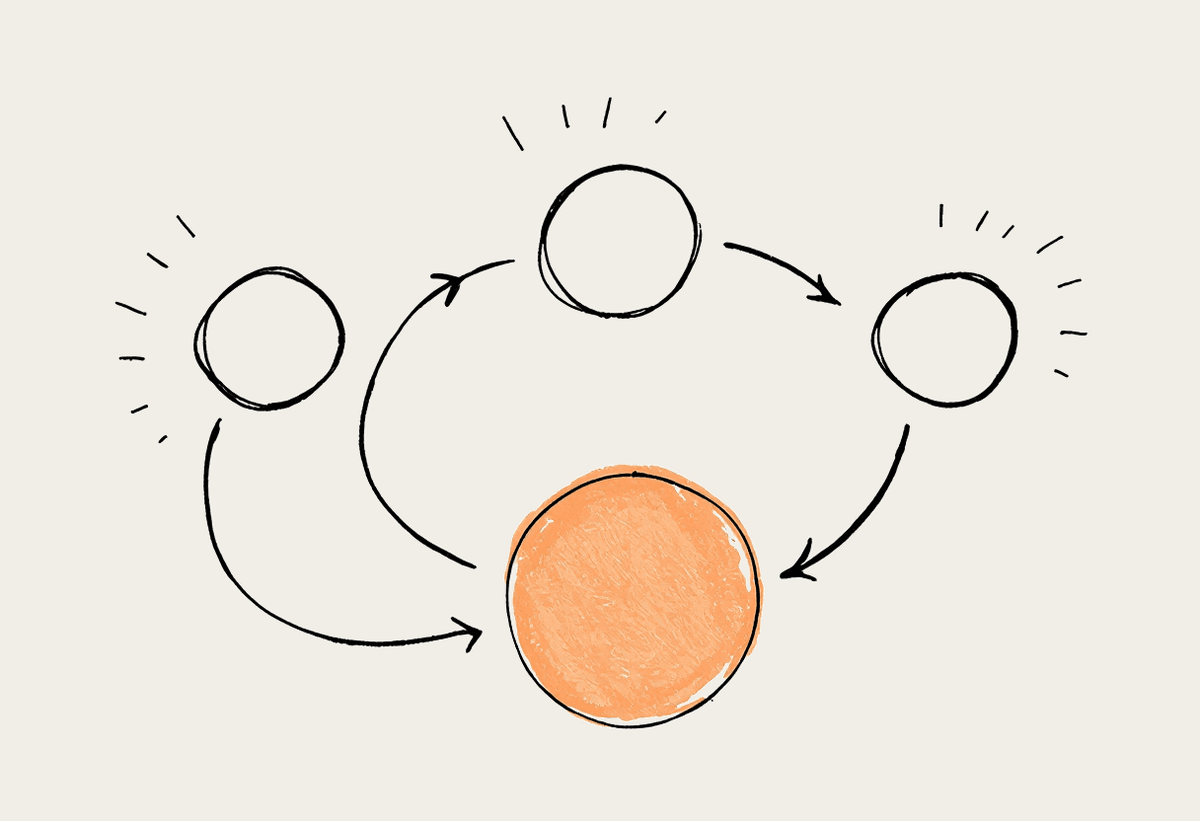
Expand once a use case proves itself, and drop the experiments that do not pay. Discipline here is what separates a business that compounds small wins from one that collects half-finished pilots.
Scale the proven use cases into a documented routine the team can follow
Drop experiments that did not save time or money
Review the whole setup every quarter as the tools change
Where Claude fits the Australian small business
Gemini is a capable generalist, and for a business already deep in Google Workspace it is a reasonable first stop. The honest comparison still matters. We are a Claude-focused consultancy because, for the work most Australian small businesses care about, careful drafting in your own voice, document analysis, and tasks where a wrong answer carries real cost, Claude has been the more reliable day-to-day partner. The practical answer for many owners is not one tool for everything. It is matching the tool to the task and keeping the high-stakes work on the model you trust most.
If you are weighing the two, run the same first task through both for a fortnight. The cost of testing is close to nothing, and the result is specific to your business rather than a benchmark chart. A small team that gets this right often recovers several hours a week, worth more than $15,000 a year, without the cost or risk of a stalled project.
Common mistakes to avoid
Across Australian industries the failure pattern repeats. A careful start prevents the costly version of each.
Automating a high-risk task before a safe one has proven the workflow
Letting a model commit money or take a legal position without review
Skipping the human check on client-facing work
Assuming local rules apply without verifying them
Scaling before a single use case has earned it
Forgetting to tell staff what is and is not allowed
Key takeaways
If you remember nothing else about getting started with Gemini for your Australian business, hold on to these points.
Start with one task and measure it
Set simple rules before the team runs ahead
Grow only from what proves itself
Match the tool to the task, and keep a human on high-stakes work
Talk to a Claude specialist
We are a Claude-focused consultancy based in Sydney, working with Australian small businesses end to end. If you want a second opinion before you commit to any tool, a 30-minute brainstorm will save you weeks of trial and error. Book a brainstorm with us.