Google used I/O 2026 to put Antigravity 2.0 in front of every development team on the planet, and the demos were loud: multiple autonomous agents writing, testing and refactoring code in parallel across a desktop app, a CLI and an SDK. The dust has settled enough now to judge it on merit rather than stagecraft. Plenty of Australian business owners are asking the same question this week: does this change how we should build software, or is it another tool we trial and quietly shelve? Here is a practical read for Australian teams, with the trade-offs that actually move the decision.
What Antigravity 2.0 actually is
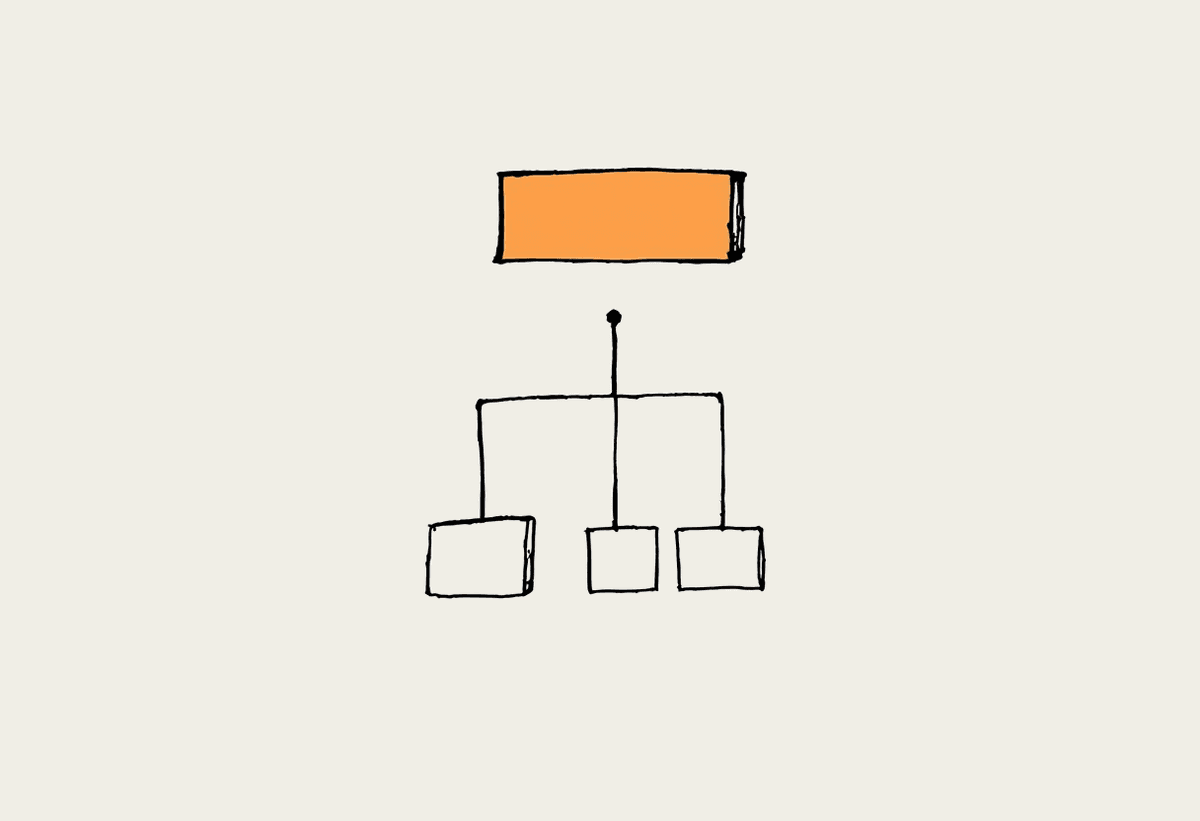
Antigravity 2.0 is Google's agent-first coding platform. Rather than a single assistant suggesting the next line, it runs several agents at once, each able to plan a task, edit files, run commands and check its own output. Google demoed it scaffolding sizeable projects in minutes and wiring them into the wider Google ecosystem. The headline capability is parallelism: many agents working on independent slices of a codebase simultaneously.
Multiple autonomous agents executing in parallel rather than one assistant at a time
Three surfaces to drive it from: a desktop app, a command-line interface and an SDK
Tight integration with Google Cloud and Workspace tooling
Built-in test and verification loops the agents can call on their own
Where the time savings are real
Agentic coding returns the most hours on work that is well-defined and low-risk. The gains are genuine when the task has a clear spec and a cheap way to tell whether the output is correct. They evaporate on ambiguous work where a confident wrong answer costs more to unpick than it saved.
Scaffolding new services and writing boilerplate that follows an existing pattern
Parallel work across independent modules that do not share state
Quick prototypes you intend to throw away once the idea is validated
Mechanical refactors with strong test coverage already in place
The review-debt problem nobody demos
More autonomy means more code arriving for review, faster than a human can read it. That is the quiet cost of every agent platform, Antigravity included. If four agents each produce a few hundred lines an hour, your senior engineers become a bottleneck of approvals rather than authors of code. Output volume is easy to celebrate; the review queue is where the real bill lands. The teams that get value treat agent output as untrusted until a person or a test has confirmed it, and they cap how much an agent may change before a human signs off.
How a Claude-first team would adopt it
We build with Claude as the default at Automata AI, and the adoption playbook is the same regardless of which agent platform you pick. The discipline is what protects you, not the brand on the model. Start small, verify everything, and keep a human on the decisions that are expensive or hard to reverse.
Trial agentic coding on a contained, low-risk repository before touching anything customer-facing
Put review gates in front of every merge, with the gate sized to the blast radius of the change
Verify output with tests before it reaches staging, never on the strength of a benchmark score
Keep approval checkpoints on costly or irreversible actions such as deletions and deploys
Log prompts and changes so any piece of work can be reproduced and audited later
Avoid hard-wiring your prompts and logic to a single vendor so you can switch as models change
What this means for Australian businesses
With a senior developer in Sydney or Melbourne costing roughly $160,000 a year fully loaded, the pull toward agentic coding is obvious. A team of five carrying $800,000 in annual salary does not need a large productivity lift before the maths looks compelling. The catch is that unreviewed agent output can introduce defects that cost far more than the hours saved, and in regulated work the exposure is not just rework. If your software touches personal data, the Privacy Act still applies to whatever an agent writes, and APRA-regulated firms carry the same accountability for AI-generated code as for anything a human shipped. A bug an agent introduced is your liability, not Google's.
Pilot on a small repository and measure saved time honestly against rework created
Decide which systems an agent may never touch unsupervised, especially anything under Privacy Act or APRA scope
Set a budget for agent compute and watch it, because parallel agents spend fast
A practical 30-day trial
If you want to test Antigravity 2.0 without betting the quarter on it, give it a fixed window and a clear scorecard. The goal is an honest number, not a vibe. Pick one contained project, run it for a month, and compare like for like against how your team works today.
Week one: pick a low-risk repo, define the tasks and write down your current baseline effort
Weeks two and three: run agents on the work with review gates on, tracking time saved and rework
Week four: tally net hours saved minus review and rework time, then decide on a wider rollout
Key takeaways
Antigravity 2.0 is real and capable, and parallel agents genuinely save time on well-defined work
The cost moves from writing code to reviewing it, so plan for the review queue before you scale
Match the tool to the task, keep a person on high-stakes decisions, and revisit the choice as models shift
Whichever platform you choose, the Privacy Act and APRA obligations on the output are still yours
We are a Claude-focused consultancy based in Sydney, working with Australian SMBs from first pilot to production. If you want a second opinion before you commit to an agent platform, a 30-minute brainstorm will save you weeks of trial and error. Book a time with us and we will walk through where agentic coding fits your stack and where it does not.