Running a Home Care Package is mostly administration. Behind every hour of support a client receives sits a stack of paperwork: budgets, monthly statements, care plans, invoices from third-party workers, and the records the Aged Care Quality and Safety Commission expects you to keep. For a mid-sized Australian provider managing a few hundred packages, that admin load quietly grows into two or three full-time coordination roles.
Claude, Anthropic's AI assistant, is well suited to this kind of structured, document-heavy work. It reads a care plan and a bank of invoices, drafts the client-facing statement, and flags anything that does not add up. This guide walks through where it helps a home care provider, where it should not be trusted, and how to start without a large IT project.
The admin load behind a Home Care Package
A Level 4 Home Care Package is worth roughly $61,000 a year in government subsidy. The provider is accountable for every dollar of that budget, and clients now expect a clear monthly statement showing what was spent and what remains. The work that produces those statements is repetitive and detailed, which is exactly the sort of task that eats coordinator time.
A typical month for one package involves:
Reconciling invoices from support workers, cleaners, physiotherapists, and equipment suppliers against the client's approved budget.
Producing a plain-language monthly statement the client and their family can actually read.
Updating the care plan when a client's needs change, and recording the reason.
Checking that spending stays inside the package level and the care management and package management fee caps.
Keeping records in a form the Commission can audit at short notice.
Multiply that by two hundred clients and the numbers get serious. At an all-in coordinator cost of around $95,000 a year, a provider running this manually can spend well over $180,000 annually just on the statement and reconciliation cycle.
Where Claude fits, and where it does not
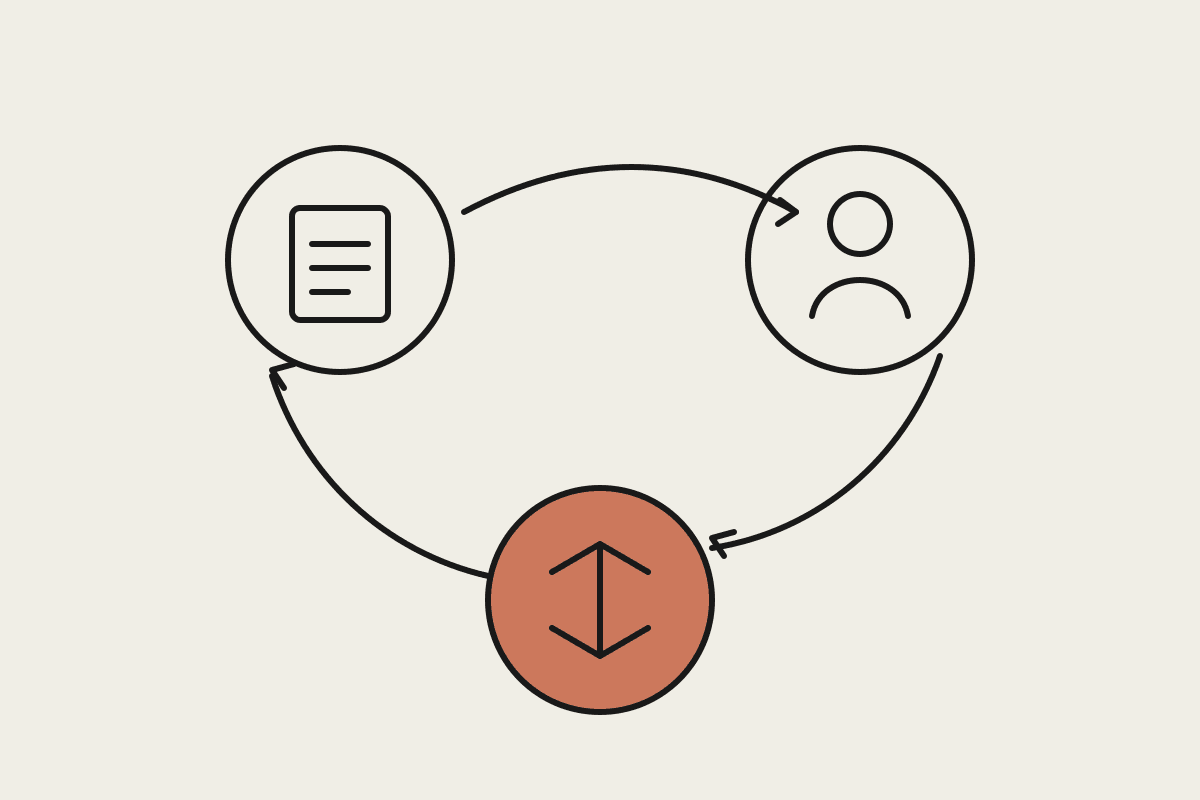
The useful framing is that Claude drafts and checks, while a person decides and signs. It is fast and accurate at reading messy documents and turning them into a consistent format. It should never be the final authority on a clinical decision or a payment.
Good fits for a home care provider:
Turning a month of invoices into a reconciled statement, with each line matched to a budget category.
Drafting the monthly client statement in Australian English at a reading level a family member can follow.
Summarising a long care plan into the key changes since last month.
Drafting replies to routine client emails about their balance or upcoming visits, ready for a coordinator to review and send.
Poor fits, where a human stays in charge:
Approving a payment or releasing funds.
Changing a clinical care plan or assessing a client's care needs.
Any decision that affects a client's safety or eligibility.
A worked example: the monthly statement
Say a coordinator finishes the month with a folder of twenty invoices for one client and the approved budget from My Aged Care. Instead of keying each line into a spreadsheet, they hand the folder and the budget to Claude and ask for a reconciled draft.
Claude reads each invoice, matches it to a category such as personal care, domestic assistance, or allied health, adds up the spend, and compares it against the budget. It produces a draft statement showing the opening balance, spending by category, the care management and package management fees, and the closing balance. Where an invoice does not match any budget line, or where a supplier has billed twice, it flags the line rather than guessing. The coordinator reviews the draft, fixes anything odd, and signs off. A task that took most of a morning becomes a fifteen-minute review.
The value is not only speed. A consistent draft means fewer statements go out with errors, which cuts the follow-up calls and complaints that come from a confusing or wrong statement.
Compliance, privacy, and the Support at Home transition
Home care sits inside a tight regulatory frame, and the rules are changing. The Support at Home program is replacing Home Care Packages, with new budget structures and reporting. Providers that already have clean, well-structured records will find the shift easier, and this is another area where consistent drafting helps.
Client information in aged care is sensitive health data under the Privacy Act 1988. Before any of this runs on real client records, a provider should confirm where the data goes, how long it is retained, and who can see it. Claude for Work and the Claude API offer settings that keep business data out of model training, which matters for a provider handling hundreds of health records. The right answer depends on your setup, and getting written advice before you connect real data is sensible.
Getting started without a big IT project
You do not need to replace your care management system to get value here. Most providers start with a single workflow and a handful of clients.
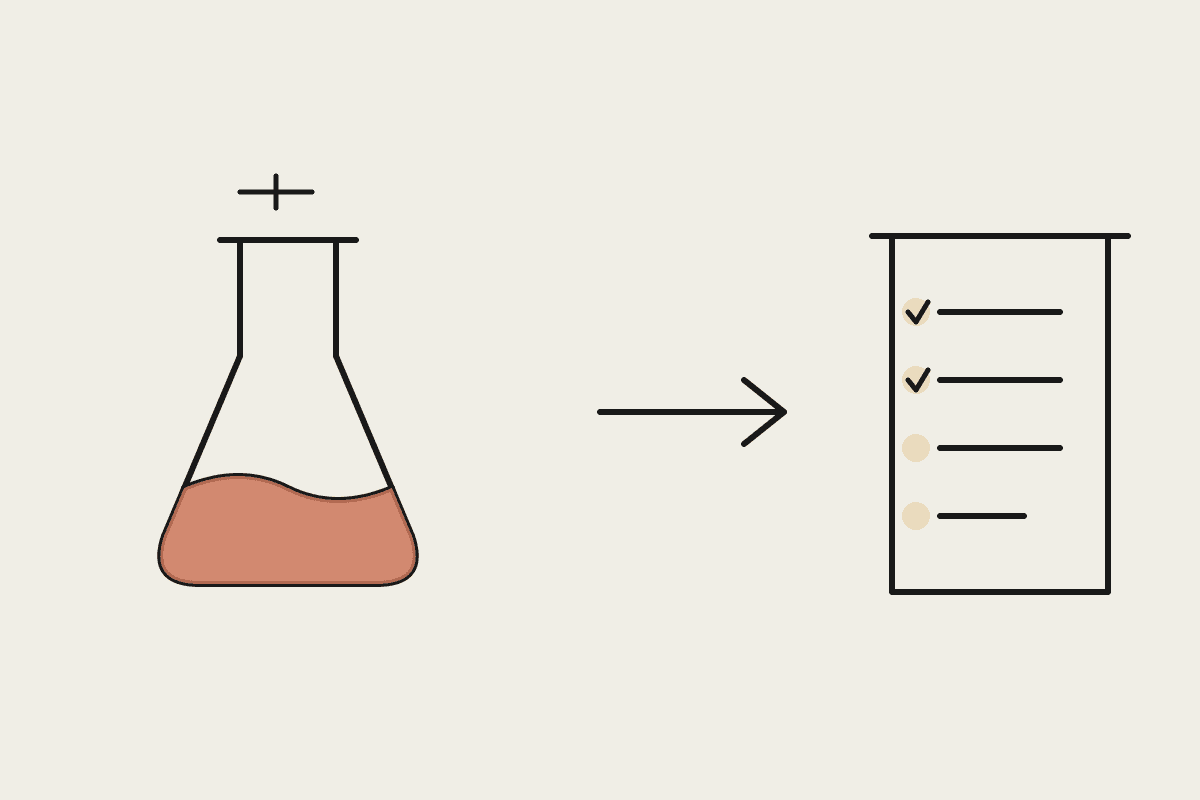
Pick one task, usually the monthly statement, and run it for five clients by hand alongside your current process.
Compare the drafts against what your coordinators produce, and tune the instructions until the output is reliable.
Write down the review steps so any coordinator can check a draft the same way.
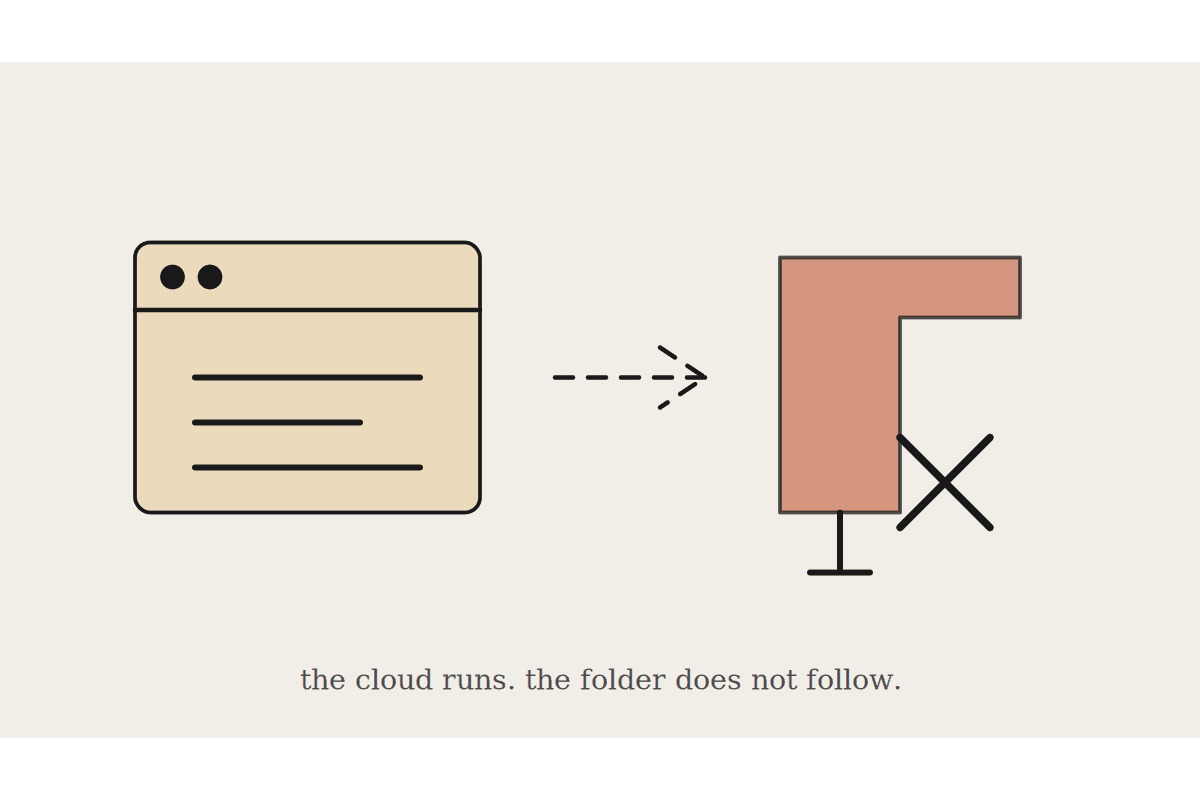
Only then decide whether to connect it to your care management system or keep it as a standalone drafting aid.
The providers who get the most from this treat Claude as a fast, careful assistant that a qualified person always checks, not as a replacement for that person. If you run home care packages in Australia and want to work out which admin tasks are worth automating first, book a short call and we will map it out with you.