Home warranty insurance is one of those jobs that sits quietly on a builder's desk until it blocks a deposit. In New South Wales, you cannot take money or start residential building work worth more than $20,000 without a certificate of Home Building Compensation cover in the owner's hands first. Miss the paperwork and the job stalls, the client gets nervous, and you carry the risk personally.
The cover itself is rarely the problem. The paperwork around it is. Eligibility packs, job-specific applications, contract values and proof of works all have to line up before an insurer or icare will issue a certificate. This guide walks through what the documents are, where they trip builders up, and how Claude turns a scattered folder of PDFs into a clean, checked application.
What the cover is, in plain terms
Home warranty insurance in NSW is now called Home Building Compensation cover, regulated by the State Insurance Regulatory Authority (SIRA). It protects the homeowner if a licensed builder dies, disappears, becomes insolvent, or fails to fix defective work. The cover is not for the builder. It sits behind the owner.
A few numbers set the boundaries:
Cover is required for residential building work where the contract price is more than $20,000, counting both labour and materials.
In NSW, HBC cover pays out up to $340,000 per dwelling for incomplete or defective work.
The certificate must reach the owner before you take a deposit or any payment, and before work starts on site.
Cover applies to houses and to certain multi-dwelling residential work of up to three storeys.
Other states run their own versions. Victoria calls it Domestic Building Insurance and requires it above $16,000. Queensland runs the QBCC Home Warranty Scheme. The document names change across borders, but the pattern holds: no certificate, no lawful start. Thresholds and caps get adjusted over time, so confirm the current figures with SIRA or your state regulator before you rely on them.
The documents that hold up a certificate
Most delays happen before an application is even lodged. An insurer or icare assesses your business once for eligibility, then assesses each job for its own certificate. Two layers, two document sets.
The eligibility layer usually asks for:
Current builder or trade licence details and a clean disciplinary record.
Financial statements, often the last one or two years, prepared or reviewed by an accountant.
Turnover figures and an open job limit the insurer is comfortable underwriting.
Personal guarantees from the directors of the building company.
The job layer, lodged per contract, usually asks for:
The signed building contract with the total price clearly stated.
The property address and a plain description of the works.
The homeowner's details as the insured party.
Evidence the job sits inside your approved eligibility limit.
When a certificate bounces back, it is almost always a mismatch: a contract value that does not match the application, an address typed two different ways, or a scope description that reads differently to the plans. These are boring errors. They still cost a week.
An AI-assisted checklist with Claude
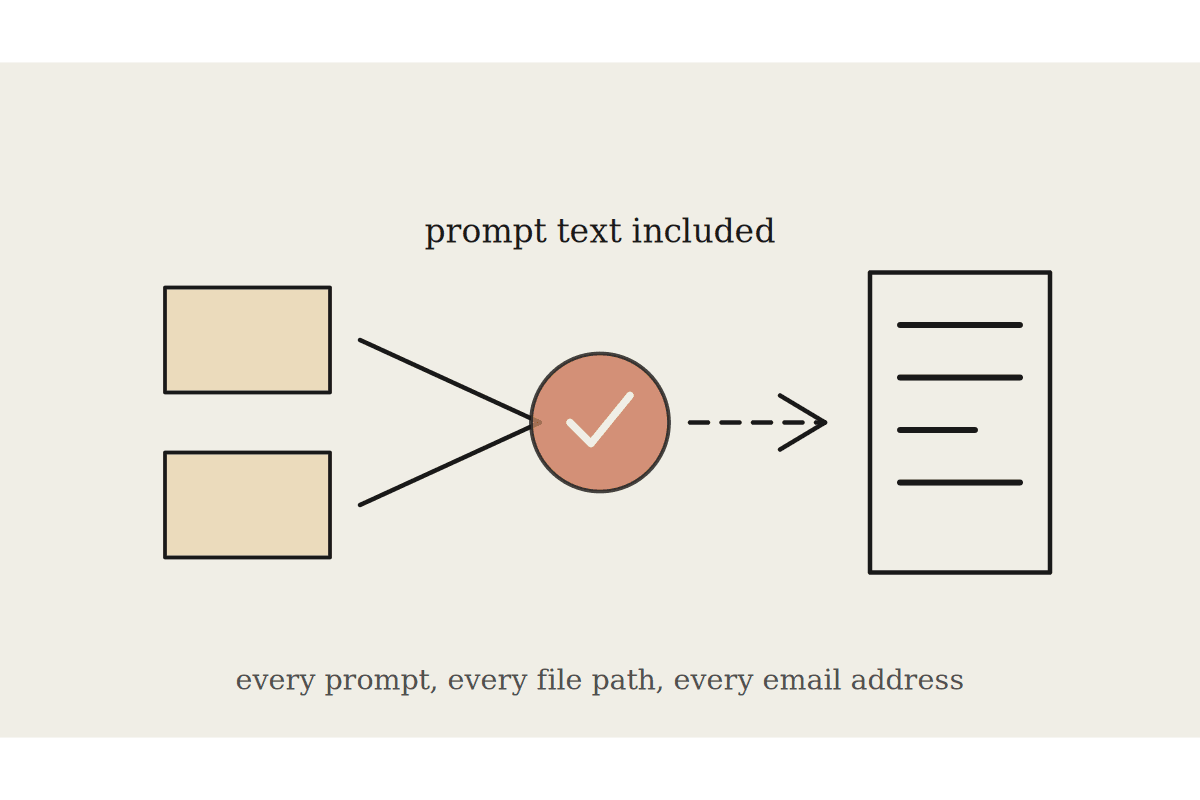
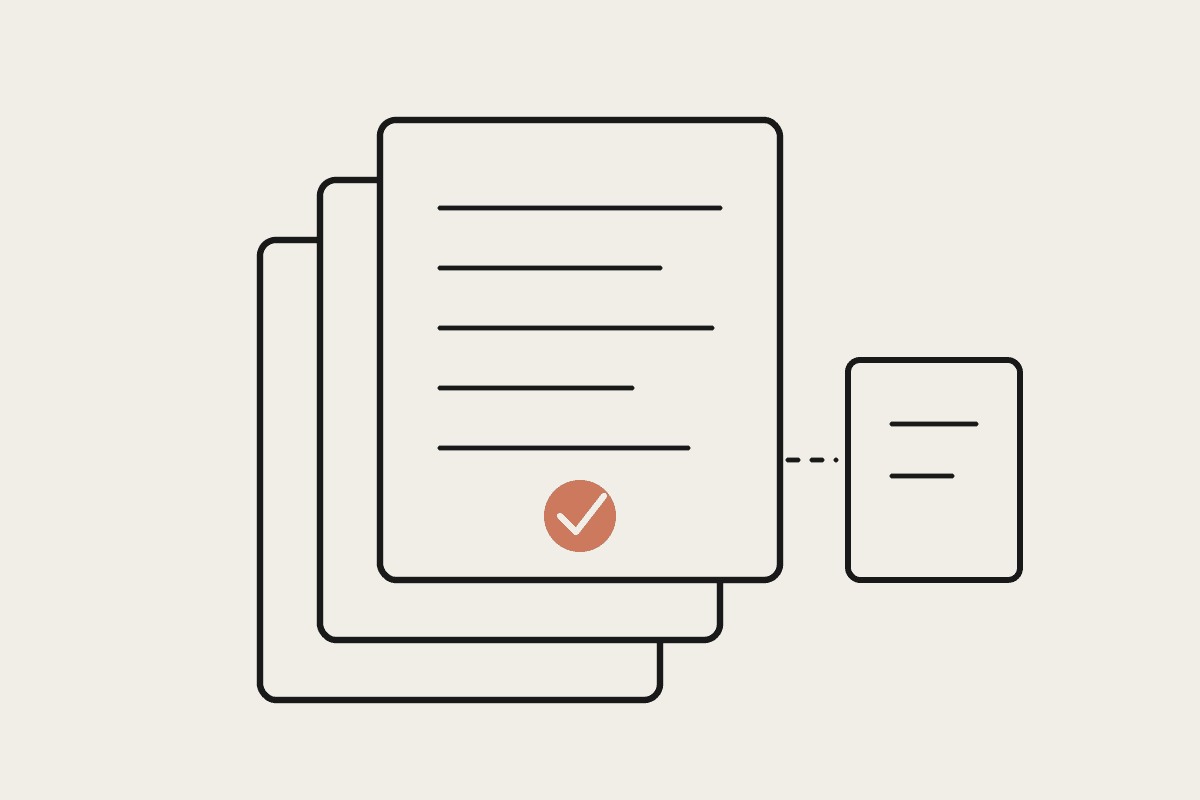
This is where Claude earns its place. Instead of re-reading every PDF by hand, you give Claude the contract, the licence and the draft application, and ask it to check them against each other. Claude reads documents, spots the inconsistencies, and writes back in plain English what is missing or does not agree.
A working checklist for each job looks like this:
Confirm the contract price is above the $20,000 threshold and matches the figure on the application exactly.
Check the property address is identical across the contract, the application and the certificate request.
Verify the homeowner's legal name matches the contract signatory.
Confirm the scope of works description agrees with the plans and the contract.
Check the builder licence number is current and not suspended.
Confirm the job value sits within the approved eligibility limit for the year.
Make sure the certificate is issued and delivered before any deposit is requested.
You can hand all of that to Claude at once. Ask it to read the folder, run the checklist, and return a short report with a tick or a flag against each item. What took an hour of cross-checking becomes a two-minute read.
Where this fits in a real workflow
Picture a small Sydney builder running six to eight residential jobs a year. Each one needs an HBC certificate. The owner used to spend most of a Friday afternoon per job matching documents and chasing the one that was missing. Across a year that is close to $6,000 of their own time at a modest charge-out rate, spent on cross-checking rather than building.
With Claude in the loop, the same builder drops each job's documents into a folder and asks Claude to run the checklist. Claude flags the two or three jobs with a mismatch, names the exact field, and drafts the email to the broker or icare. The builder reviews and sends. The certificate arrives days earlier, and no deposit is ever taken without cover in place.
Claude does not lodge the application or make the legal call. It reads, compares and drafts, so the person signing stays in control. For a compliance task where a wrong figure carries real penalties, that division of labour is the point.
Getting started
You do not need a custom system to begin. A single folder per job and a saved checklist prompt covers most of the value on day one. Over time you can turn the checklist into a reusable Claude skill so every job runs the same way, and connect it to the folder where your contracts already live.
Home warranty paperwork will never be interesting, but it can be fast and reliable. If you want help setting up a document-checking workflow for HBC cover or its interstate equivalents, book a short call and we will map it to how your jobs already run.