Gemini 3.5 Flash outputs tokens very quickly, and that single property changes what is practical when you design an AI agent. For an Australian team building automation, raw speed is not a trophy. It is a lever that shifts the trade offs you make on cost, reliability and how much autonomy you hand a system. This guide keeps it practical, with the trade offs that actually affect the decision rather than the launch-day marketing.
Google made a wave of these announcements at I/O 2026, and the dust has settled enough to judge them honestly. Plenty of owners in Sydney and Melbourne are now asking what, if anything, they should change in a stack they have only just stood up. The short version is that the speed is real and useful, but it does not move the parts of the problem that decide whether an agent is safe to run unattended. We build most client workflows with Claude at the core, so the comparison below is honest about where a faster model helps and where it does not.
Why speed matters for agents
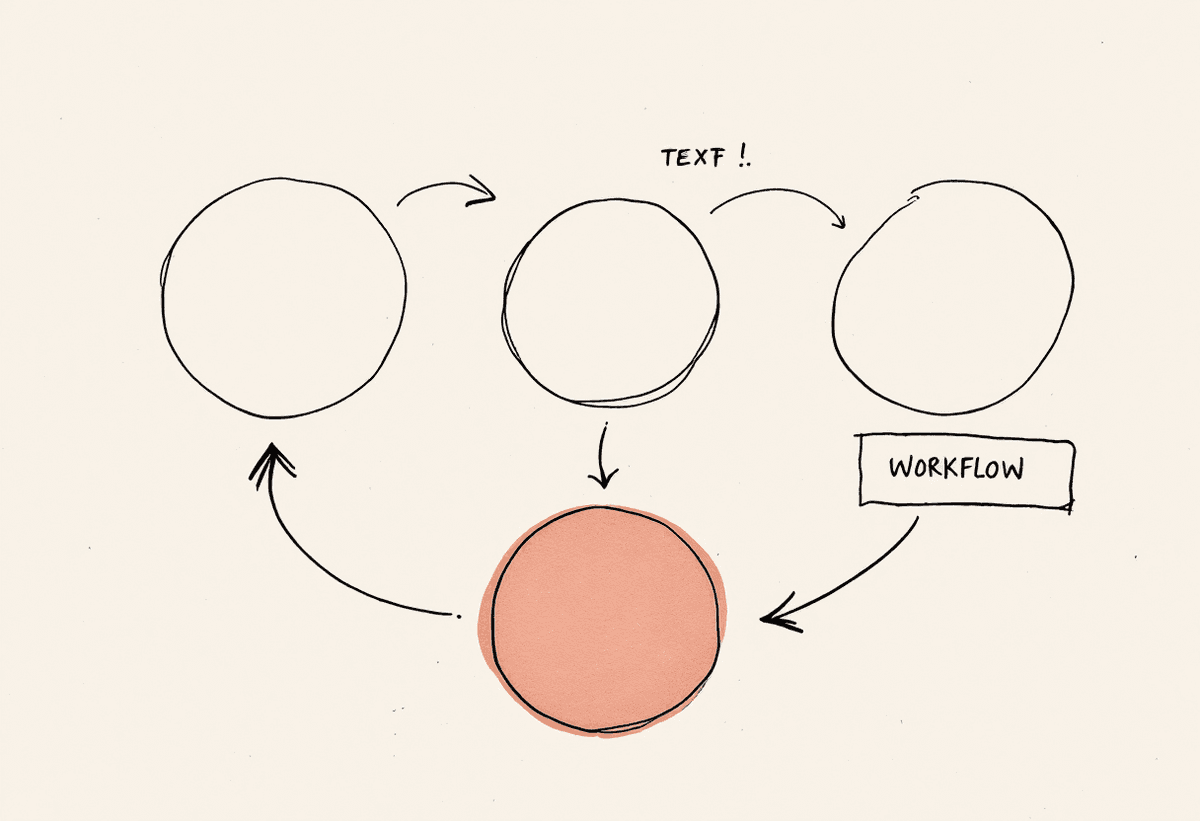
An agent is not a single call. It is a loop of many small steps: read the context, decide, act, check the result, then decide again. Because that loop runs many times, the speed of each step compounds. A model that returns a result in a fraction of a second makes a twenty step workflow feel responsive instead of sluggish, and it lowers the cost of running that workflow thousands of times a day.
Many small steps complete quickly, so long workflows finish in seconds rather than minutes
Lower latency keeps a human reviewer engaged instead of waiting on the machine
A cheaper cost per call makes high volume agents affordable to run at scale
New designs it enables
Speed does not just make existing agents faster. It makes new patterns practical that were too slow or too expensive before. When a step is cheap, you can afford to run it far more often, and that opens up designs that were off the table a year ago.
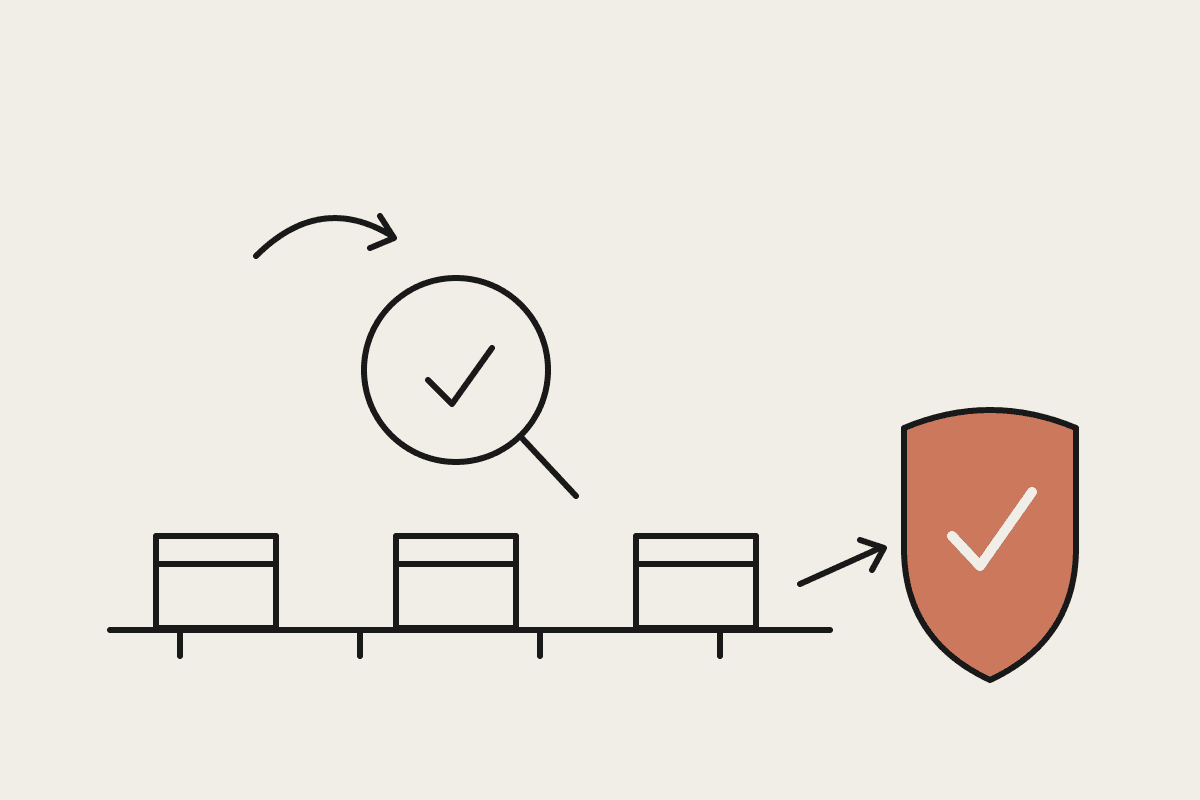
More frequent verification steps, so the agent checks its own work mid task rather than only at the end
Parallel attempts on a hard task, where you run several approaches at once and keep the best result
Tighter feedback loops, where the agent adjusts after every action instead of every tenth one
These are the patterns that separate a flashy demo from a dependable system. A faster model lowers the cost of building them in, which is the real reason the speed is worth paying attention to.
What speed does not fix
Here is the part the benchmark charts skip. A fast wrong answer is still wrong, and an agent that acts quickly on a bad decision causes damage quickly. Speed is a property of the engine. Reliability and guardrails are properties of the system you wrap around it, and that is where most of the real engineering sits.
Verify output regardless of how fast it arrived
Keep approval gates on any action that spends money or changes live data
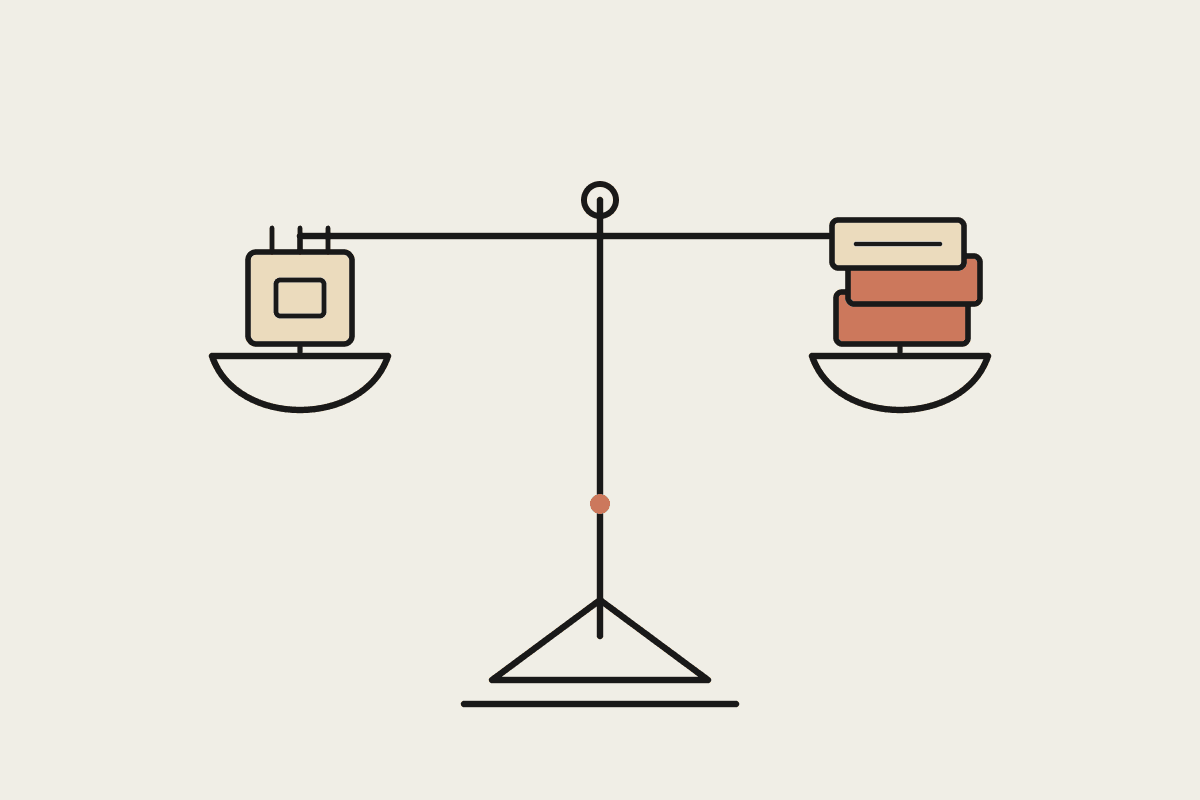
Match the model to the stakes, using a fast model for low risk steps and a more deliberate one where a mistake is costly
This is also why model choice is rarely all or nothing. A well designed agent can route quick, low risk steps to a fast model and reserve the harder reasoning for Claude, which is the pattern we reach for whenever a workflow touches customer records or financial data.
How to get the implementation right
Most technical problems here come from skipping verification and over trusting autonomy. Build the checks in early and the rest of the work gets safer and faster, and your team spends less time cleaning up after a confident mistake.
Start in a contained, low risk environment before anything touches production
Verify output before it touches anything live
Keep approval gates on costly or irreversible actions
Log prompts and changes so any run can be repeated and audited later
Common mistakes to avoid
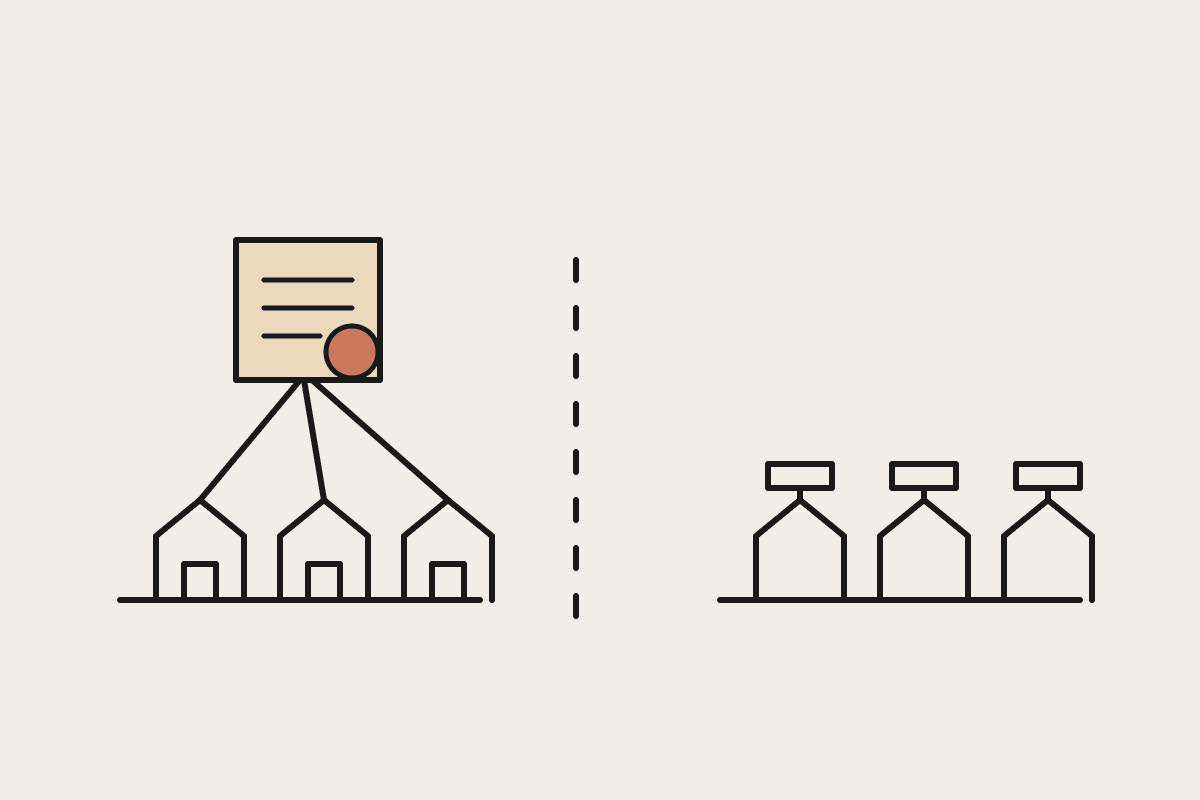
Technical rollouts stumble on the same few issues. Over trusting autonomy, skipping verification, and wiring everything to one vendor are the usual culprits. Catch them early and the build stays safe.
Letting an agent act without approval gates
Shipping output without a verification step
Hard wiring prompts and logic to one platform, so you cannot switch models as they change
Assuming a benchmark score predicts real results on your own data
Failing to log prompts, so the work cannot be repeated
Granting an agent more access than the task actually needs
What this means for Australian businesses
Fast agents can process far more work, which is genuinely useful when you are short on people. But an unguarded agent moving quickly can also cause damage faster, and in a finance or operations workflow a single unchecked action can be worth more than $100,000. We have watched a mispriced batch run to $45,000 before anyone noticed. Use the speed, and put the guardrails in first.
We design agents around speed and safety together, not one at the expense of the other
We add verification and approval steps as a default, not an afterthought
We match model choice to the stakes, so the cheap fast path never handles the expensive decision
For most Australian teams the sensible move is not to rip out a working stack the day a faster model ships. It is to understand where the speed pays off, build the guardrails that let you trust the system, and keep the design portable so the next model release is an upgrade rather than a rebuild.
Key takeaways
If you remember nothing else about gemini flash agent design for your Australian business, hold on to these points:
Speed compounds across an agent's many steps, lowering both latency and cost
It enables new patterns like frequent verification and parallel attempts
It does not fix reliability, so guardrails and approval gates still decide safety
Match the tool to the task, keep a human on high stakes work, and review the choice as models change
Talk to a Claude specialist
Automata AI helps Australian teams design, build and govern AI workflows with Claude as the core. Book a brainstorm and we will pressure test your plan against the trade offs covered above. Book a brainstorm.