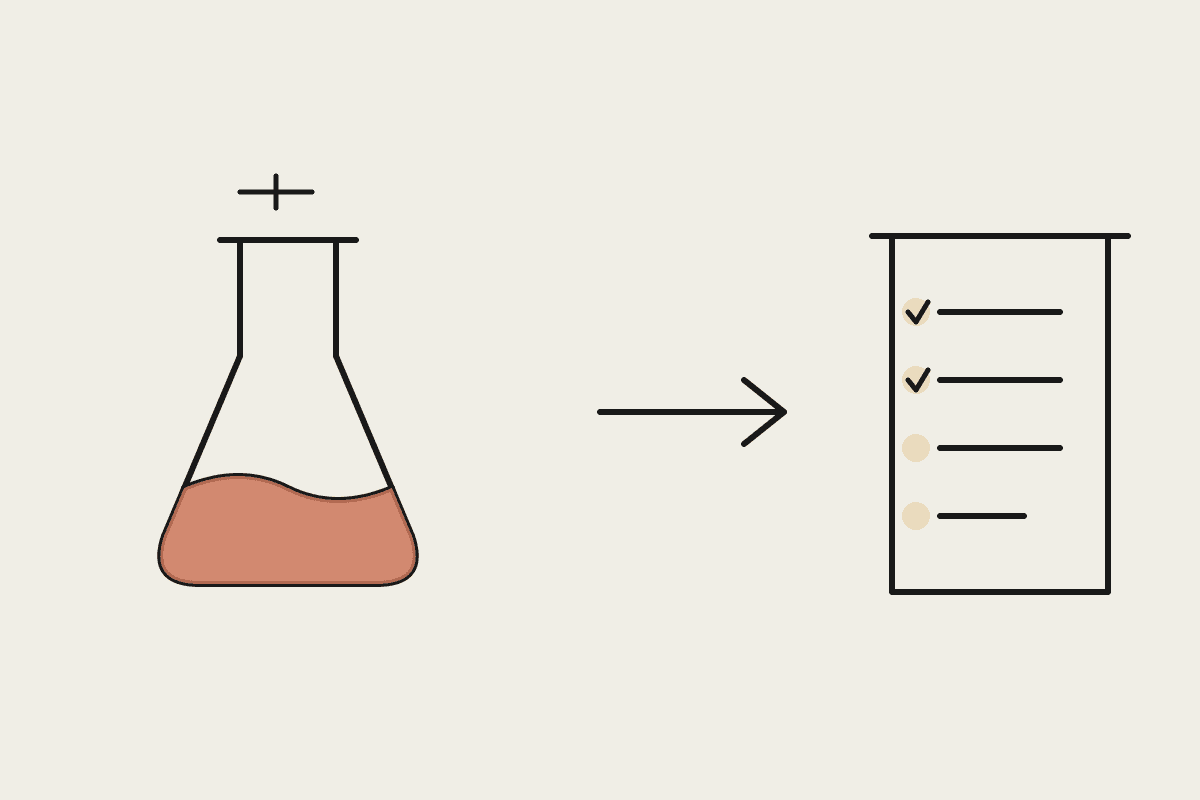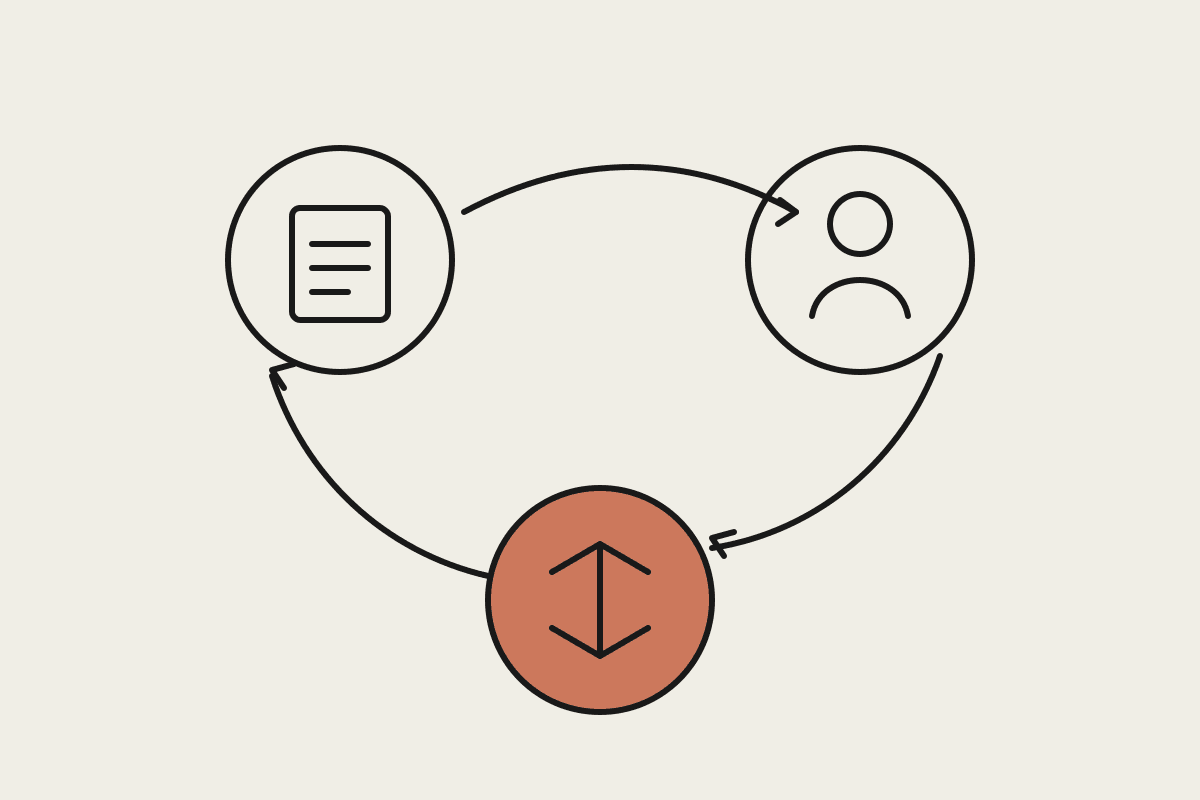
Most annual plans die quietly in February. The offsite happens, the whiteboard fills up, someone types it into a slide deck, and then the document is never opened again. The work of the year takes over and the plan becomes a relic. A January restart is a chance to break that pattern, and Claude changes the economics of doing it well because the slow parts of planning, the reading and drafting and re-drafting, stop being the bottleneck.
This applies whether you plan on the calendar year or the Australian financial year. A Sydney business owner might run a January reset for the calendar and a second, lighter pass in July when the new FY starts. Either way, the method is the same: gather the evidence, pressure-test the goals, and build something specific enough to act on next Monday.
Why annual planning usually stalls
The problem is rarely a lack of ambition. It is that a good plan needs a lot of honest input, and gathering that input is tedious. You need last year's numbers, the customer feedback you half-remember, the projects that quietly failed, and the market shifts you have been meaning to read about. Pulling all of that together by hand can eat a full week before you write a single goal.
So people skip it. They write the plan from memory, which means it inherits last year's blind spots. The three failure modes look like this:
Vague goals that cannot be measured, so no one knows in March whether they are on track.
Plans built on gut feel rather than the actual data sitting in your accounting system and inbox.
A document that never turns into weekly action, because the gap between the plan and the calendar is too wide.
What Claude actually does in a planning cycle
Claude is useful in planning because it can hold a large amount of messy context at once and reason across it. You can hand it a year of monthly figures, a folder of customer emails, and last year's plan, and ask it to find the pattern you missed. It reads faster than you and it does not get bored on the fourth pass.
A few concrete jobs it does well:
Reading a stack of documents and summarising what changed since last year, with the sources kept intact.
Turning a rambling brainstorm into a set of measurable objectives with clear owners and dates.
Stress-testing a goal by arguing the other side, so you find the weak assumption before you commit the budget.
Drafting the plan document itself, so you spend your time deciding rather than formatting.
The point is not that Claude decides the strategy. You do. Claude removes the friction between having a rough idea and seeing it written down clearly enough to judge. When drafting a scenario costs minutes instead of hours, you test five versions instead of settling for the first.
A four-week planning sprint
Here is a simple cadence a small team can run in January without pausing the actual business. Each week has one job.
Week one, gather. Collect the raw material in one place: financials, a list of what shipped and what slipped, customer comments, and any market notes. Ask Claude to condense each source and flag the surprises. You are not deciding anything yet, only building an honest picture of where the year left you.
Week two, decide the few things that matter. Most plans fail because they list twenty priorities. Pick three or four. Ask Claude to help you write each one as a measurable outcome, then have it argue why each might fail. A goal that survives that argument is worth keeping.
Week three, cost it. Attach numbers. If a goal is to move into a new market, what does the first quarter actually cost, and what is the smallest test that would prove it works? A business weighing a new hire against a contractor might find the difference is $45,000 across the year once on-costs and super are counted, which is exactly the sort of trade-off worth modelling before you commit.
Week four, connect it to the calendar. A plan that does not appear in next week's schedule is a wish. Break each objective into the first two or three moves, put them on the calendar, and assign a name. This is where most plans quietly break, so it is worth the extra day.
Keeping the plan alive past February
The restart only pays off if the plan stays in front of you. The trick is a short, regular review rather than a heroic annual one. A monthly check where you paste the latest numbers and ask what has drifted takes twenty minutes and keeps the plan honest.
Australian businesses have a natural rhythm to lean on here. The BAS cycle, the FY close in June, and the calendar-year reset in January all give you a built-in moment to look up from the day-to-day. Tie your review to one of those dates and it stops being something you have to remember.
You also keep an audit trail. Because Claude works from documents you provide, every summary and decision points back to a source you can check. When someone asks in September why you chose a goal, the reasoning is still there, not lost in a meeting no one minuted.
A January restart done properly is not a longer offsite. It is a tighter loop between the evidence and the decision, run often enough that the plan survives contact with the year. If you want help setting up a planning cadence that actually holds, book a short planning session and we can map it to your business.