Automation projects rarely fail on the technology. They stall in the gap between a promising pilot and a system the business actually runs on. Over the past two years we have watched dozens of Australian teams get an AI workflow working in a demo, then lose momentum before it reached production. The tools were fine. The organisation around them was not ready, and the money spent proving the idea never turned into a return.
The pattern repeats often enough that the causes are predictable. Almost none of them are about model quality or which vendor you picked. They are about ownership, scope and the parts of the business that sit around the automation. Here are the six failure modes we see most, and what separates the projects that ship from the ones that quietly get shelved.
The six ways automation projects stall
1. No owner once the pilot ends
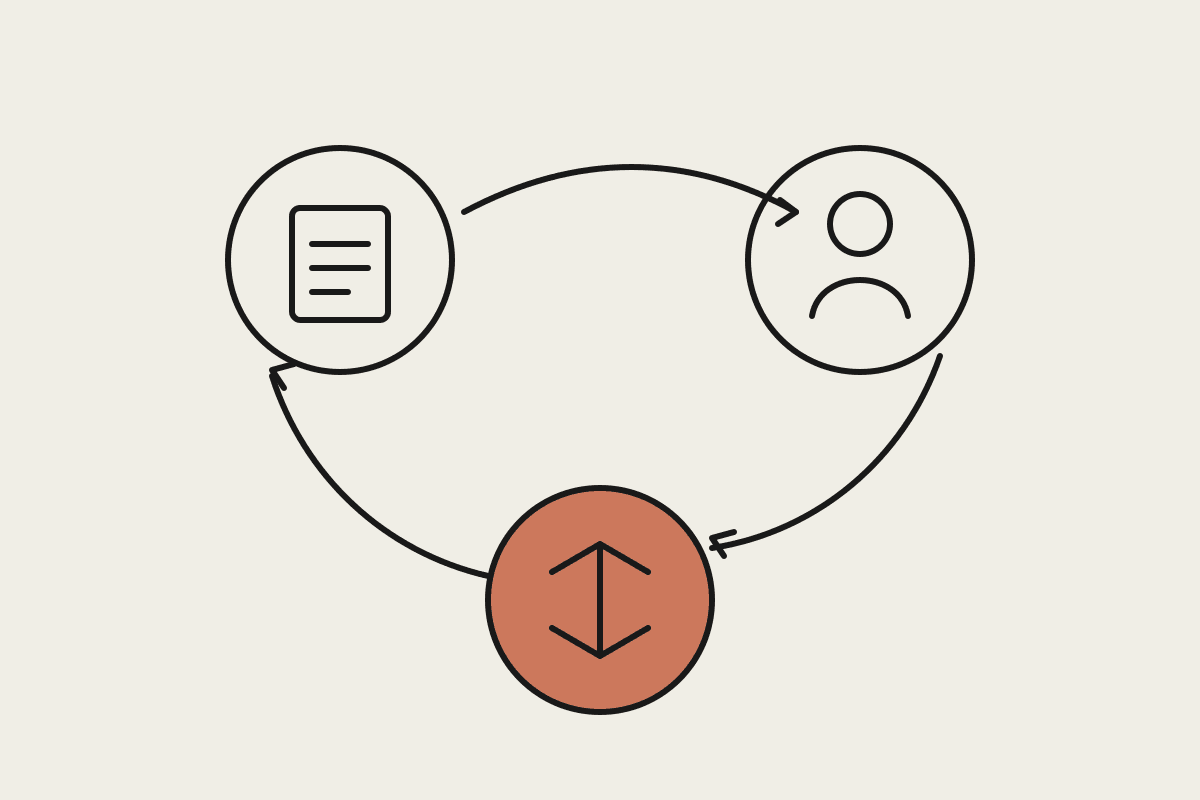
A pilot has a champion. Production needs an owner. When the enthusiastic person who built the demo moves on to the next thing, the workflow loses its maintainer. Prompts drift, an API changes, an edge case appears, and there is nobody whose job it is to fix it. Within weeks the team reverts to the manual process. The fix is unglamorous but reliable: assign a named owner with time set aside to maintain the workflow, and treat that maintenance as part of the running cost, the same way you would for any other business system. Name the owner before you build, not after.
2. The pilot measured the wrong thing
Demos are judged on whether the output looks impressive. Production is judged on whether it saves money or reduces risk. A workflow that drafts a plausible response in a demo can still be useless if a person has to check every word. One retailer we spoke to ran a support bot for four months before anyone noticed it was deflecting only a handful of tickets a week, far below what would justify keeping it running. Define the success metric first: hours saved per week, error rate, cost per transaction. If you cannot measure it, you cannot defend the budget when someone asks whether the $45,000 build paid for itself.
3. Nobody scoped the unhappy path
The demo uses clean inputs. Real work is messy. Invoices arrive as photos, customers phrase questions in ways nobody anticipated, and a supplier sends a spreadsheet with the columns in the wrong order. Automation that only handles the tidy 70 percent creates more work, because staff now have to catch the 30 percent it silently got wrong. Scope the edge cases early and decide which ones the system handles, which ones it escalates to a person, and how it flags that it is unsure.
4. Compliance was an afterthought
For a Sydney financial services firm, or any business touching personal data, where data goes and who can see it is not optional. Teams that skip this in the pilot hit a wall at the approval stage. Under the Privacy Act, and for regulated firms under APRA guidance, you need to answer data residency, retention and access questions before go-live. Bringing security and legal in at the end turns a two-week deployment into a three-month one, and sometimes kills it outright. Raise these questions in the first week, when they are cheap to design around.
5. The workflow was built around a person, not a process
Plenty of automations encode one employee's particular way of doing a task. That works until that person changes their approach, goes on leave, or leaves the company, and then the automation quietly stops matching how the work is really done. A durable automation is built around a documented process the business agrees on, so the system and the people share the same rulebook. Writing that process down is often the most valuable part of the project, whether or not any AI gets involved.
6. It was too ambitious to finish
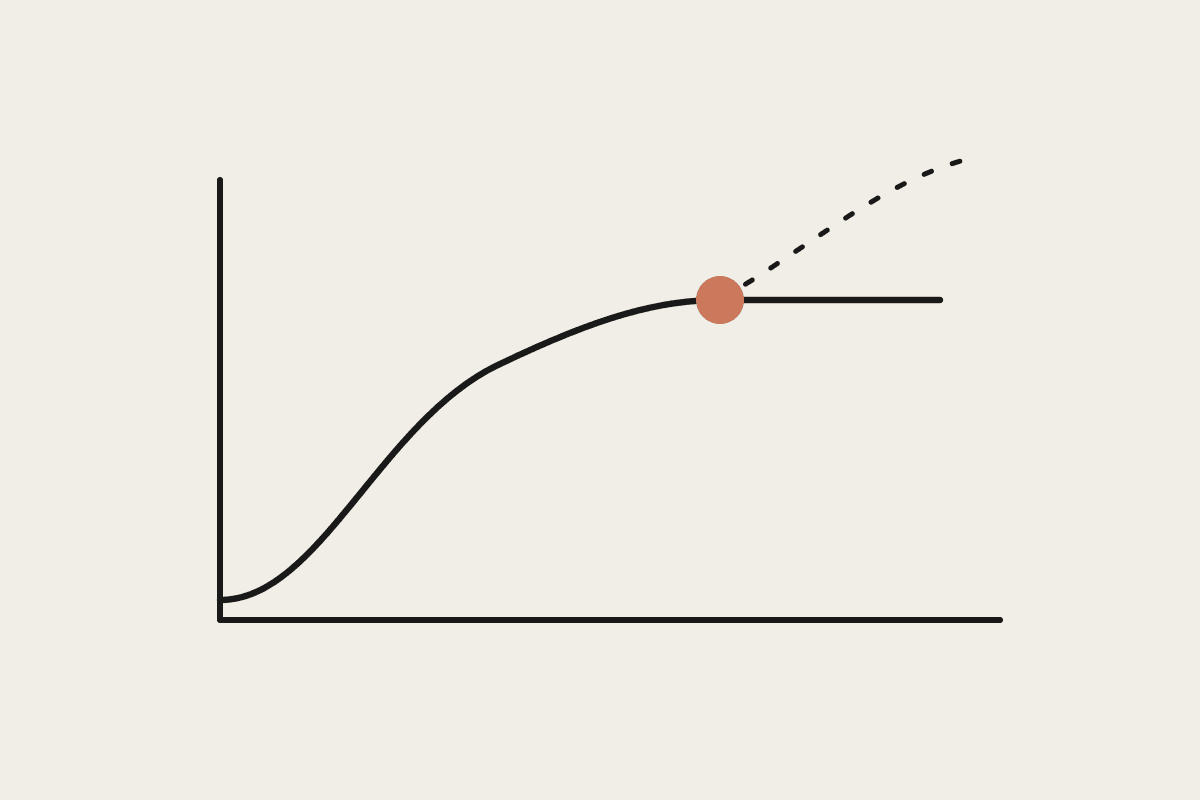
The most common cause of a stall is scope. A team tries to automate an entire department in one project, the build stretches past six months, priorities shift, and the whole thing is cancelled with nothing shipped. A workflow that automates one painful step and goes live in a fortnight builds the credibility and the data you need for the next one. Small and finished beats large and abandoned every time.
How to de-risk before you build
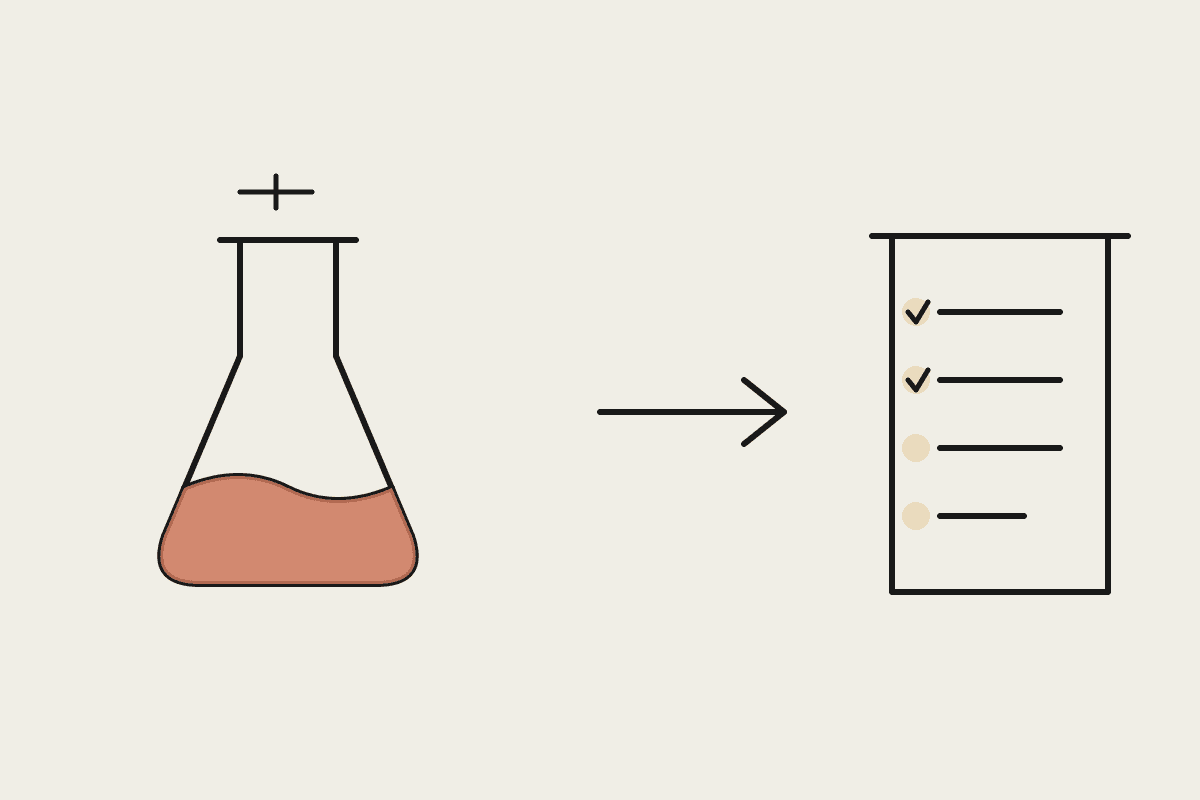
Most of these failures are decisions made too late, not technical limits. A short validation stage catches them cheaply. Before committing build hours, we work through a checklist with the client:
Name the person who owns the workflow in production, not just the pilot.
Write down the single metric that decides whether it succeeded, and how you will measure it.
List the messy inputs and edge cases, and decide which get escalated to a human.
Answer data residency, access and retention questions with security and compliance in the room.
Cut the scope to the smallest workflow that delivers real value on its own.
None of this is exotic. It is the difference between a project that disappears and one a business comes to rely on. A well-scoped first automation often pays for itself inside a quarter, and a poorly scoped one can burn $120,000 in build time and goodwill for nothing. The teams that succeed are not the ones with the best models. They are the ones that decided who owns the work, what success looks like, and how small they could start, before anyone wrote a line of it.
If you have an automation idea and want to pressure-test it before spending on the build, we run a short brainstorm to find the failure modes early. Book a time and we will work through it with you.