Most teams meet Claude for the first time at a lunch-and-learn. Someone runs a demo, a few people nod, and everyone goes back to their inbox. Three weeks later nothing has changed. The problem is not the demo. It is that a one-hour session was asked to do the work of a proper adoption plan. Getting a Sydney team from that first curious lunch to paid licences and daily use takes a structured 30-day arc, and the shape of that arc is predictable enough to plan in advance.
Why a Lunch-and-Learn Stalls Without a Plan
A lunch-and-learn is good at one thing: creating interest. It is poor at creating habit. People leave impressed but without a task to try on Monday, without a place to ask questions, and without permission to use a new tool on real work. Interest decays fast. By the end of the week the tab is closed.
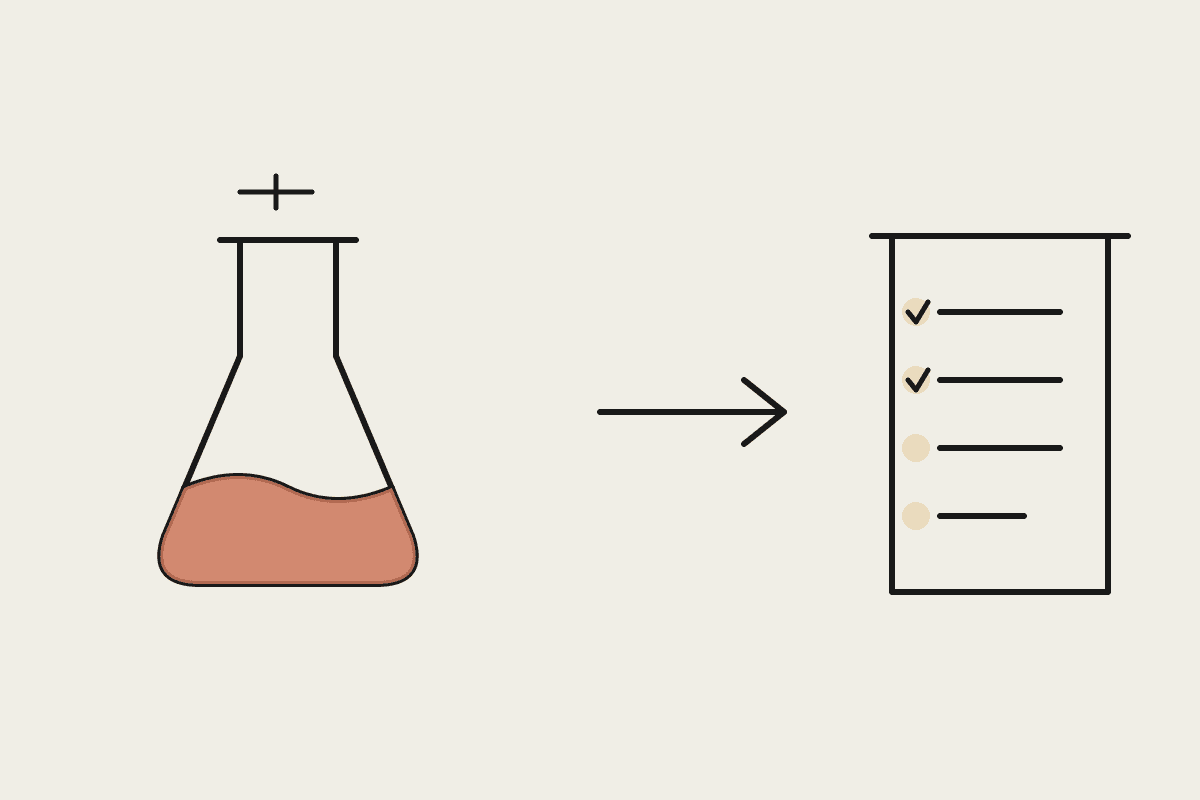
The fix is to treat the lunch-and-learn as day one of a four-week arc, not a standalone event. Each week has a single job, and each week hands the team something concrete to carry into the next. The arc moves from watching, to guided practice, to supervised real work, to a licence decision backed by evidence rather than a hunch.
The 30-Day Arc, Week by Week
Week 1: The Lunch-and-Learn
The opening session is short and specific. Skip the general AI hype and show two or three tasks the room actually does every week: drafting a client email, summarising a long thread, turning messy notes into a clean brief. End by assigning one small task each person will try before the next session.
Pick tasks from the team's own week, not generic examples
Give everyone a single starter task with a clear finish line
Set up a shared channel where people paste wins and stuck moments
Book the Week 2 session before anyone leaves the room
Week 2: Guided Practice
Now people have tried something and hit friction. Week 2 is a working session, not a lecture. Go around the room, take the real tasks people are stuck on, and solve them live. This is where the quiet sceptics convert, because they see their own work get faster in front of them. Keep a running document of the prompts that worked so the team builds a shared library.
Week 3: Real Work, Light Guardrails
By week three the team is using Claude on live work, so the conversation shifts to boundaries. What data is fine to paste and what is not, how to check outputs before they go to a client, and how the Privacy Act shapes what an Australian business should and should not put into any tool. A one-page house policy is enough. The goal is confidence, not a compliance manual nobody reads.
Week 4: Licence and Handover
The final week turns interest into a decision. By now you can see who is using Claude daily, which tasks it has genuinely sped up, and roughly how many hours a week the team is saving. That evidence makes the licence conversation simple. You are not buying a tool on faith, you are paying to keep a habit that already exists.
None of this needs a big budget or a dedicated project manager. One person who cares about the outcome, an hour a week of shared time, and a willingness to work on real tasks rather than toy examples will carry a team of ten through the whole arc. The structure does the heavy lifting.
What It Costs and What You Get Back
For a team of ten, a paid Claude plan runs around $30 per person each month, so roughly $3,600 a year in licences. A structured 30-day rollout, whether run in-house or with an outside facilitator, tends to sit around $4,500 for the full arc. Set that against the cost of the time it frees.
If each person saves three hours a week and the loaded cost of an employee is $80 an hour, ten people save 30 hours a week, or about $124,800 a year in recovered capacity. Against a combined first-year outlay near $8,100, the arithmetic is not close. The risk is never the licence fee. The risk is paying for seats nobody uses, which is exactly what the arc is designed to prevent.
Licences: about $3,600 per year for ten people
Rollout and training: about $4,500 one-off
Recovered time: roughly $124,800 a year at three hours saved per person per week
Break-even: inside the first month for most teams
Making Adoption Stick
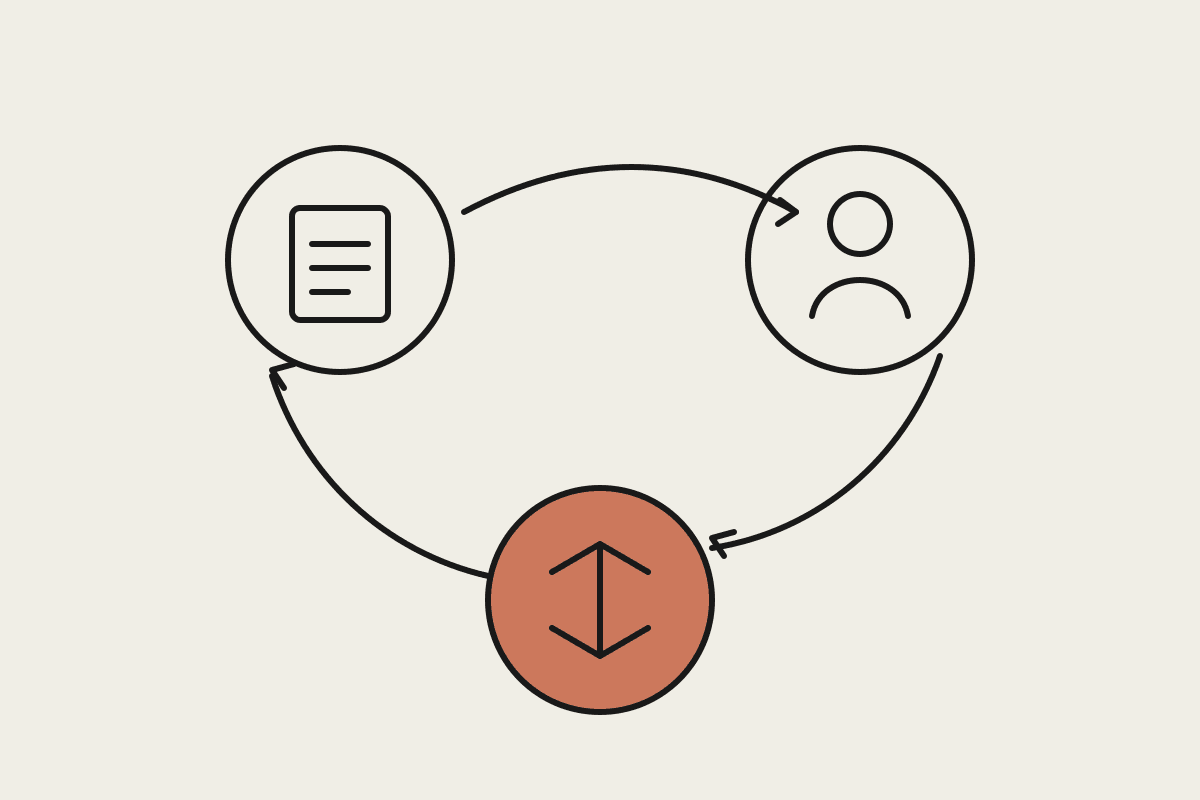
The arc works because it never lets interest cool between steps. Each week the team does something real, gets help fast, and sees the next session on the calendar. Adoption fails when a business skips straight from the demo to the invoice and hopes for the best. It holds when people have practised on their own work, understood the boundaries, and chosen the tool themselves.
If you want a hand shaping this for your own team, book a short call and we will map the 30-day arc to the tasks your people actually do each week.