Australian manufacturers are quietly putting AI to work on documentation, quality notes, and planning support. Open source models can run on-site, close to the factory floor, which appeals to firms wary of sending data off-premises. That appeal is real, and so is the cost behind it. Choosing well means matching the model to the job rather than to the headline, because the wrong choice adds expense and fragility instead of removing them.
Where AI helps on the factory floor
The early wins for a manufacturing business sit in paperwork and institutional knowledge, not on the production line itself. These are the tasks that pull supervisors and engineers away from the work only they can do.
Drafting work instructions, standard operating procedures, and method statements
Summarising maintenance logs, quality records, and incident reports
Helping staff find the right internal document in seconds rather than minutes
Turning rough shift notes and handover messages into clean, searchable records
Answering routine questions about machine settings, tolerances, and supplier specs
None of this replaces a skilled operator or a quality manager. It removes the repetitive writing and searching that surrounds skilled work, which is where small manufacturers lose the most time across a week.
What running an open model on-site really involves
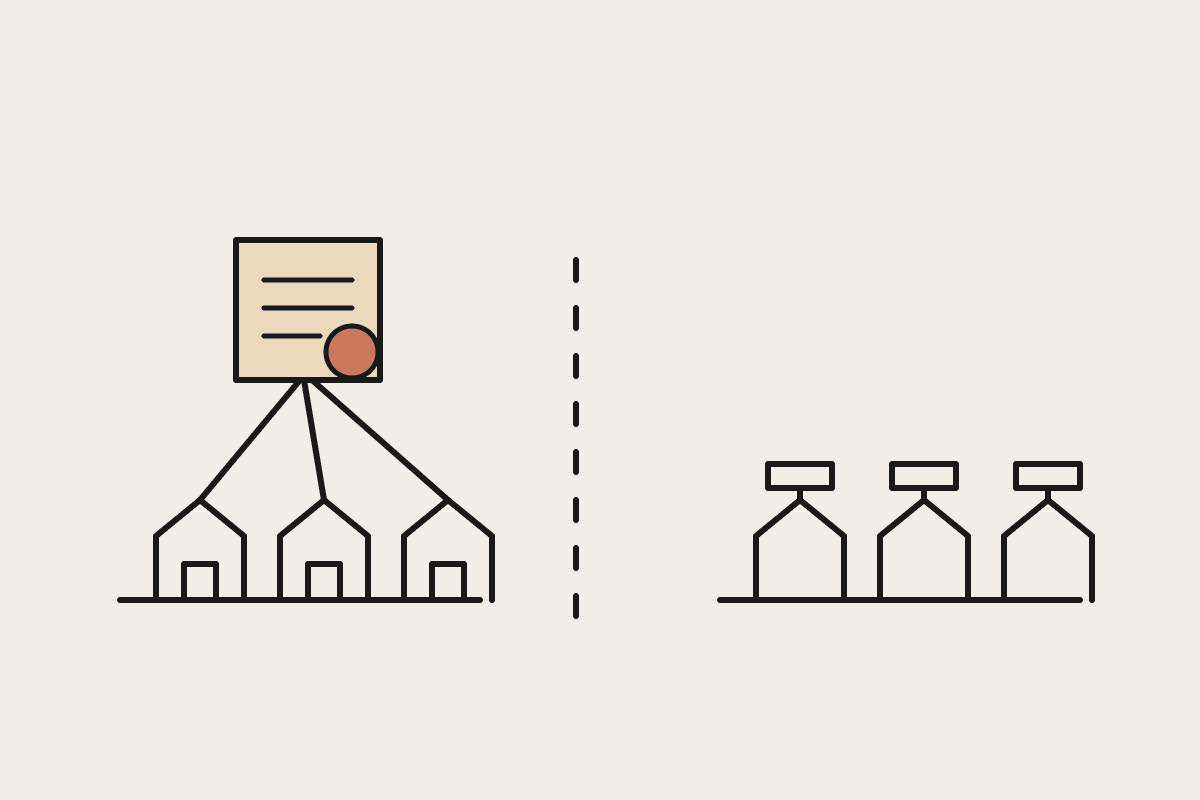
On-premises hosting is the part that gets undersold. Downloading a model like Qwen or DeepSeek costs nothing, but running it so it reliably serves a plant is a small IT operation in its own right.
Hardware, power, and cooling for GPUs that have to sit somewhere on or near the site
Someone who can install, monitor, patch, and recover the model server when it stalls
Security for commercially sensitive design files, pricing, and customer drawings
A clear plan for what happens when a node fails in the middle of a shift
Privacy Act duties for any worker or customer personal data the system touches
Larger manufacturers with an internal IT team can absorb this. For a 20 to 80 person shop, each of these lines competes with the maintenance and production work that already fills the day.
The numbers an Australian manufacturer should weigh
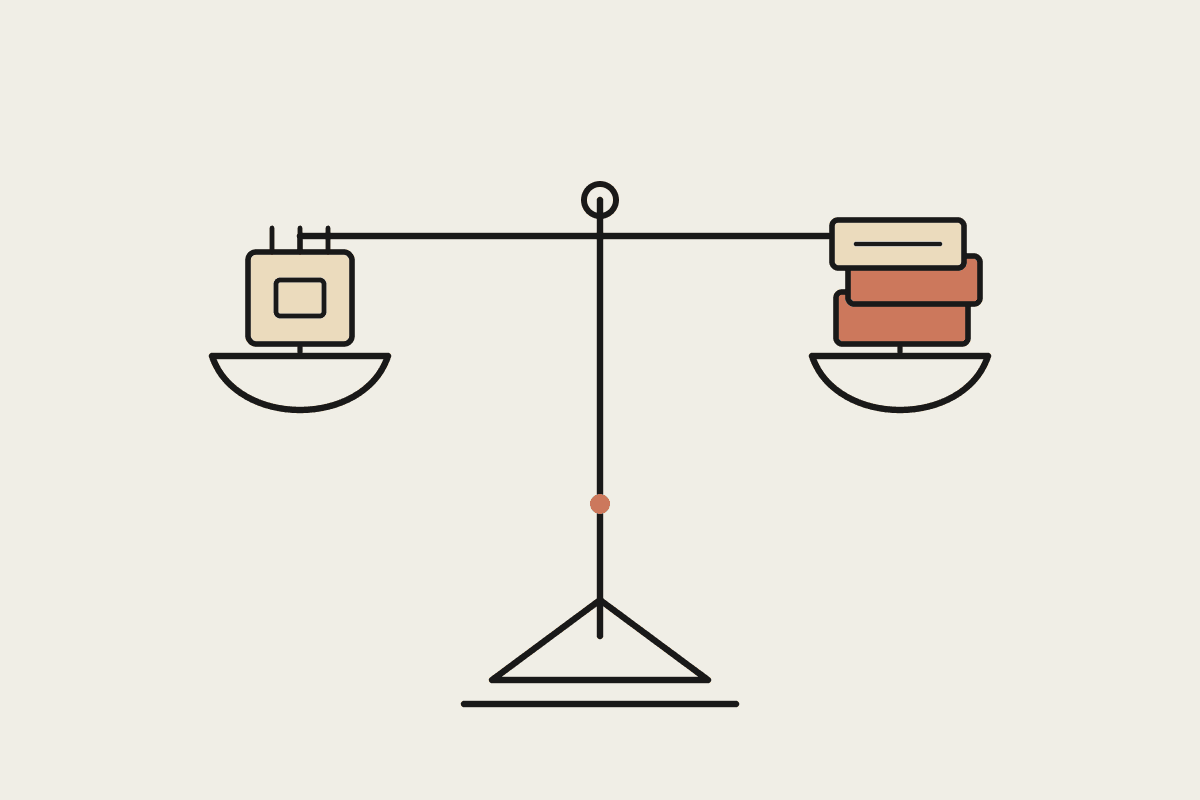
Cost is where the decision usually settles. An on-site model server for an Australian SMB manufacturer can cost around $50,000 up front for capable hardware, plus ongoing running expenses for power, cooling, and support. Add a part-time engineer to keep it healthy and the real annual figure climbs past $120,000 once their time is counted honestly.
Capital outlay of roughly $50,000 for a production-grade GPU server
Ongoing power, cooling, and housing that runs whether the machine is busy or idle
Engineering time to maintain the stack, often $80,000 or more a year at market rates
Re-testing and integration work each time you move to a newer open model
A cloud build on a managed model like Claude avoids the capital outlay entirely and bills for what you actually use. For a manufacturer whose AI workload would never keep an expensive GPU busy through the day, the maths settles itself well before any benchmark is opened. A modest first project, often $8,000 to $20,000 to build, can cover the heaviest documentation tasks and pay for itself in recovered hours within a quarter.
A Claude-first path that keeps the load light
For most Australian SMB manufacturers, the practical answer is to start with a managed model and reserve on-site hosting for the narrow cases that genuinely need it. This keeps the operational burden off a team that is already stretched across the floor.
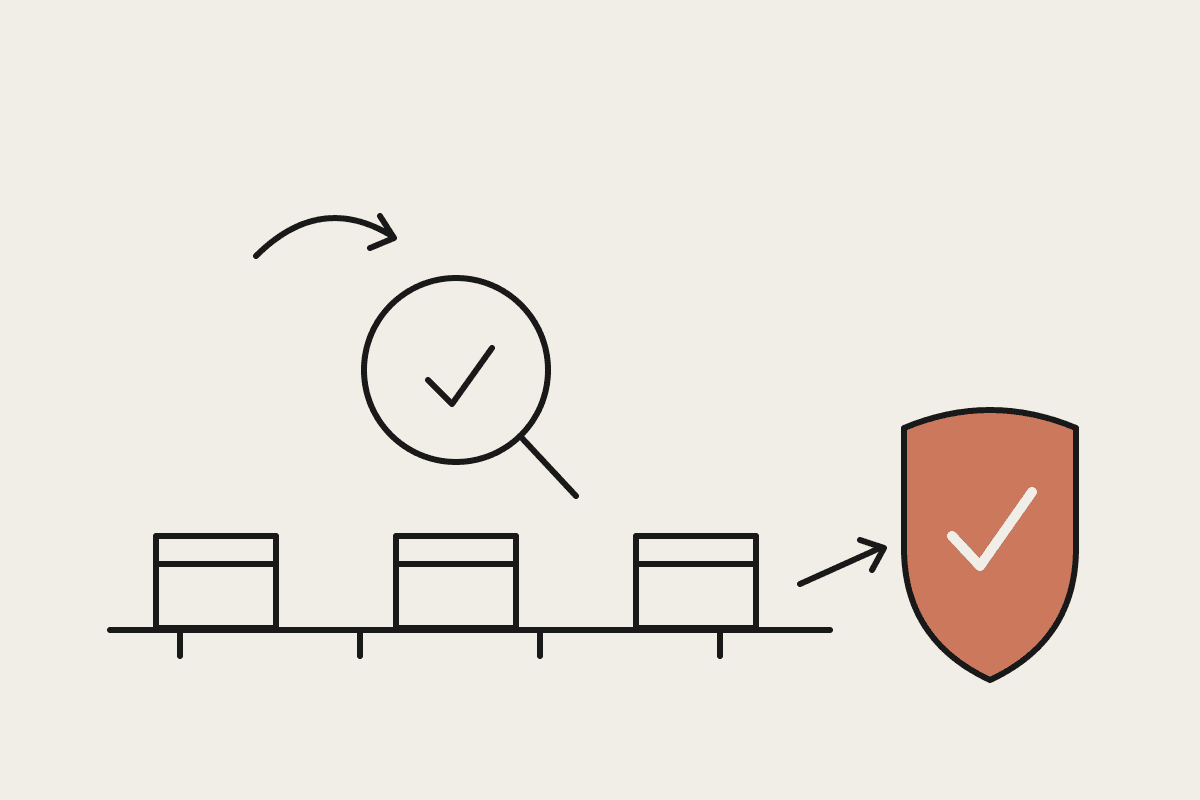
Begin with the heaviest, lowest-risk paperwork, such as procedures and shift notes
Keep genuinely sensitive design and pricing data in a clearly governed category
Use Claude for reliability that does not depend on your own on-call roster
Move a specific workload on-site only when volume and data rules clearly justify it
We design practical automation for Australian manufacturers, with a Claude-first default that keeps maintenance off your site team and the cost matched to real demand. If you want to see where AI for manufacturing fits in your plant, book a brainstorm with our team and we will cost both paths in plain figures.
How to choose for your plant
When the choice feels close, a short set of questions keeps you out of trouble and points to the right answer faster than any model leaderboard.
Is the data genuinely sensitive, or just routine paperwork a controlled tool can handle
Do you have the IT capacity to own a server through peak production, or not
Would your AI workload keep an expensive GPU busy, or leave it idle most of the day
Can your team support the system the day after the consultant leaves
For an Australian SMB manufacturer, these questions stop you from spending $50,000 on a server to protect documents that were never sensitive in the first place. Match the model to the data and the team you actually have, and the technology earns its place on the floor instead of becoming one more thing to maintain.